
An Unexpectedly Good Cycling City
Plano does not appear on national lists of great cycling cities, and that is largely a failure of reputation rather than infrastructure. The city maintains an extensive network of paved off-street trails, including significant stretches along creek corridors that connect neighbourhoods, parks, schools and retail districts without requiring riders to share space with fast-moving traffic. The Chisholm Trail, Bluebonnet Trail, Preston Ridge Trail and the connected Oak Point Park system together offer many hours of riding.
For residents who ride occasionally, visitors staying with family, or anyone testing whether cycling might work for their commute, renting is often smarter than buying. The rental market in Plano and the immediately surrounding cities has matured considerably, expanding from a handful of traditional shops into a mix of specialist retailers, e-bike providers, delivery services and event operators.
Independent Bicycle Shops
The backbone of the rental market remains the independent bike shop. Plano and its neighbours support several long-established retailers that sell, service and rent bicycles. These shops typically offer road bikes, hybrids, mountain bikes and increasingly electric models on daily, multi-day and weekly terms.
Renting from a shop has real advantages over any alternative. The staff will fit the bicycle to your body, which makes an enormous difference to comfort on rides longer than a few miles. They maintain their fleet properly, so brakes work and gears shift. They can advise on which trails suit your ability and the current conditions. Many operate a rental credit policy, applying some or all of the rental fee toward the purchase price if you decide to buy, which effectively makes a rental an extended test ride.
Electric Bike Specialists
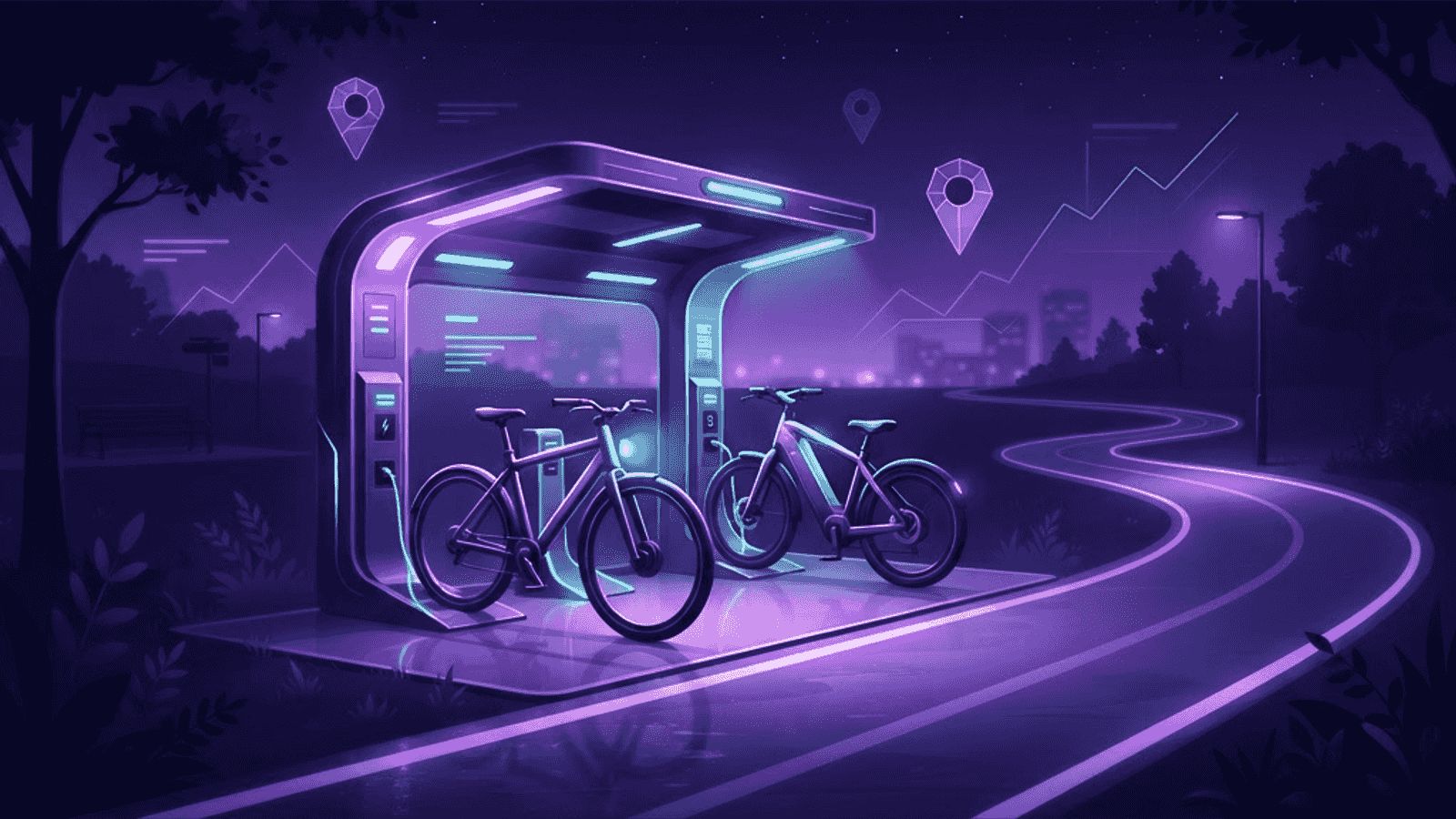
Electric bicycles have changed the calculation for a lot of riders in North Texas, and dedicated e-bike retailers have opened across the region in response. Summer heat and the long distances between destinations that characterise suburban geography are precisely the problems that pedal assistance solves. A trip that would arrive sweaty and exhausted on a conventional bicycle becomes comfortable on an e-bike.
E-bike specialists generally rent higher-value equipment and therefore ask for more thorough documentation, a larger deposit and sometimes a short orientation session covering battery management, assistance levels and braking behaviour on a heavier machine. This is worth the extra fifteen minutes. Riders should ask about battery range in realistic conditions rather than manufacturer claims, whether a charger is included for multi-day rentals, and what happens if the battery depletes mid-ride.
Trail-Adjacent and Park Rentals
Several operators position themselves near the best riding rather than in retail centres. Concessions and seasonal vendors serve popular park and trail entrances, offering short-duration rentals aimed at families and casual riders who want to spend an hour or two on a path and then hand the bicycle back.
These operations typically stock comfort bikes, cruisers, tandems, child trailers and sometimes multi-passenger surrey cycles. Fitting is basic and the equipment is built for durability rather than performance, but for a weekend outing with children this is exactly the right product. Hourly pricing keeps the cost of a casual ride low, and the location eliminates the problem of transporting a bicycle to the trail.
Delivery and Concierge Services
A newer category delivers rental bicycles directly to a home, hotel or office. The customer books online, specifies dates and sizes, and the bicycles arrive assembled and adjusted at the agreed time and location, then are collected at the end of the rental period.
This model costs more than collecting from a shop, but it removes the two biggest friction points in bicycle rental: getting to the shop and transporting the bike. For a family of four visiting relatives without a bike rack, or a corporate group organising a team ride, delivery is often the only practical option. Some providers include helmets, locks, lights and basic repair kits as standard.
Shared and Dockless Systems
Bike share in North Texas has had a turbulent history. Early dockless operators flooded the region with bicycles, ran into predictable problems with parking and vandalism, and largely withdrew. What remains is more disciplined: scooter and e-bike share programmes operating under municipal agreements that specify parking zones, fleet caps and operating areas.
Where available, shared micromobility is excellent for short one-way trips, particularly connections between transit stations and nearby destinations. It is poorly suited to long recreational rides, and riders should check the operating area boundaries before planning a route, as vehicles typically cannot be ended outside the permitted zone without a penalty.
Event and Group Rental Operators
Charity rides, corporate wellness programmes, cycling clubs and organised tours all create demand for rentals at scale. Several regional operators specialise in supplying twenty or more bicycles for a single event, complete with transport, on-site mechanical support and staff to handle fitting and returns.
Organisations planning a group ride should engage these operators well in advance, particularly around the spring and autumn event seasons when fleets are heavily committed. Confirm what mechanical support is included during the ride itself, as a single mechanical failure without support can strand a rider miles from the start.
What to Check Before You Rent
Ask what is included beyond the bicycle. A helmet is essential and should be provided or available. A lock matters if you plan to stop anywhere. Front and rear lights are legally sensible and practically necessary if there is any chance of riding near dusk. A spare tube, tyre levers and a pump prevent a puncture from ending the day.
Clarify the damage and liability terms in writing. Understand what the deposit covers, what constitutes normal wear versus chargeable damage, and whether the operator carries any insurance. Confirm the return window and late fee policy. Finally, ride the bicycle briefly before leaving, checking that both brakes engage firmly, the gears shift cleanly across the range and the saddle height allows a slight bend in the knee at the bottom of the pedal stroke.
Riding Well in Plano
Local conditions reward preparation. The riding season is long but summer afternoons are genuinely dangerous in heat, so early morning and evening rides are strongly preferable from June through September. Carry substantially more water than instinct suggests. Trail intersections with roadways require caution because drivers do not always expect cyclists.
The reward for that preparation is a trail network that is quiet, well maintained, generously shaded in parts and connects far more of the city than most residents realise. Renting a bicycle for a weekend is the cheapest possible way to discover whether cycling deserves a permanent place in your routine, and in Plano the answer is more often yes than people expect.