
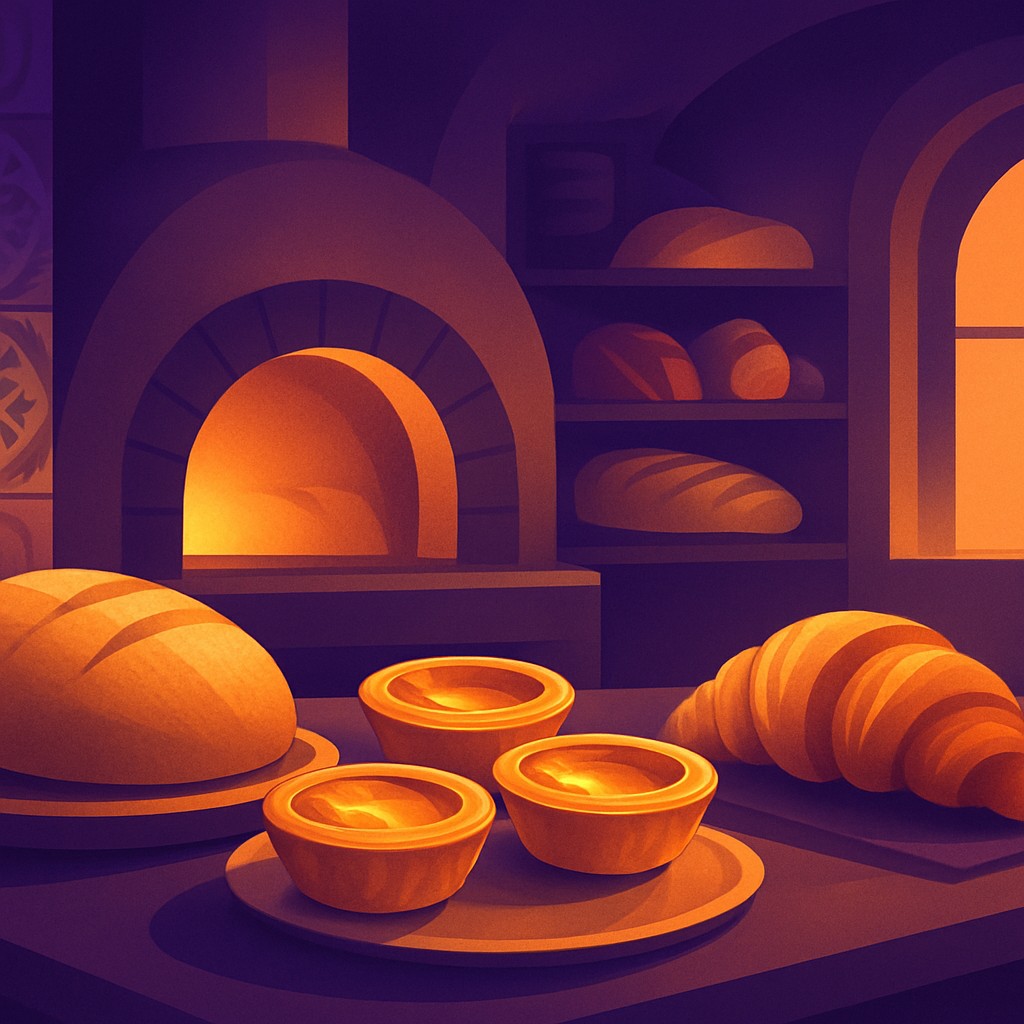
A Nation Devoted to Baking
Few countries take their baked goods as seriously as Portugal. From the moment the morning aroma of fresh bread drifts through narrow city streets to the afternoon ritual of coffee paired with a warm pastry, baking is woven into the fabric of daily life. Portuguese bakeries, known locally as pastelarias and padarias, are community institutions where generations of bakers have perfected recipes passed down over centuries.
The crown jewel of Portuguese baking is undoubtedly the pastel de nata, a custard tart with a crisp, flaky shell and a creamy, caramelized filling. Yet the country's baking tradition extends far beyond this famous treat, encompassing rustic breads, almond-based sweets, and an array of regional specialties that reflect Portugal's diverse culinary heritage.
What Makes a Bakery Truly Exceptional
The finest bakeries balance respect for tradition with a commitment to quality ingredients and craftsmanship. They bake fresh throughout the day, use authentic recipes, and take pride in the texture, flavor, and presentation of every item. A welcoming atmosphere, attentive service, and a connection to local culture further elevate the experience. Whether grand and historic or small and family-run, the best bakeries make every visit feel special.
The Top 10 Bakeries in Portugal
1. Pasteis de Belem in Lisbon is legendary, having served its closely guarded custard tart recipe since 1837. The original pastel de nata, baked here according to a secret formula, draws visitors from around the world.
2. Manteigaria has become a beloved name for custard tarts, with locations in Lisbon and Porto. Its tarts, baked fresh and served warm with a dusting of cinnamon, are widely considered among the best in the country.
3. Confeitaria Nacional, one of Lisbon's oldest pastry shops, has been delighting customers since 1829. Its elegant interior and classic Portuguese sweets make it a cherished landmark of the capital's baking scene.
4. Padaria Ribeiro in Porto is a historic bakery renowned for its breads and traditional cakes. With deep roots in the city, it embodies the enduring appeal of artisanal baking.
5. Castro - Atelier de Pasteis de Nata offers a refined take on the custard tart, allowing visitors to watch the careful preparation. Its dedication to craft has earned a loyal following.
6. Fabrica da Nata celebrates the art of the custard tart with multiple locations and a charming, traditional ambiance. It has become a popular destination for both locals and tourists.
7. Aloma in Lisbon has won acclaim for its pastel de nata, repeatedly recognized in national competitions. Its consistent quality reflects a deep commitment to the craft.
8. Pastelaria Versailles, a grand and ornate cafe in Lisbon, combines stunning early twentieth-century decor with a wide selection of traditional pastries and breads. Dining here is as much about atmosphere as flavor.
9. Confeitaria do Bolhao in Porto is famous for its regional specialties and warm, traditional setting. Located near the historic Bolhao Market, it offers an authentic taste of northern Portuguese baking.
10. Beloved neighborhood pastelarias found in towns and villages across the country complete the list. These family-run establishments, often unmarked by fame, serve some of the most authentic and heartfelt baked goods in Portugal.
Trends in Portuguese Baking
While tradition remains at the heart of Portuguese baking, the sector is evolving. A growing number of bakeries are experimenting with healthier options, including whole-grain breads and reduced-sugar pastries, to meet changing consumer preferences. Artisanal and sourdough breads have surged in popularity, reflecting a wider appreciation for slow, natural fermentation.
There is also rising interest in vegan and gluten-free baked goods, as bakeries adapt to dietary needs without compromising on flavor. At the same time, the classic pastel de nata continues to inspire creative variations, with some bakers introducing new fillings and flavors while honoring the original.
Regional Specialties Worth Discovering
Part of the joy of exploring Portuguese bakeries lies in discovering the regional specialties that vary from north to south. In Sintra, the soft, cheese-filled travesseiros and the almond-and-egg queijadas are local treasures, while the Algarve is celebrated for its almond and fig sweets influenced by centuries of cultural exchange. The northern regions offer hearty broa cornbread and rich convent-style desserts rooted in monastic traditions, where egg yolks and sugar were transformed into elaborate confections. Each town and village often guards its own beloved recipe, passed quietly from one generation to the next. Seeking out these local specialties turns a simple bakery visit into a journey through Portugal's diverse and delicious culinary geography.
How to Find the Best Bakery
When seeking out a great bakery in Portugal, follow the locals. The busiest pastelarias, especially in the early morning, are often the most beloved. Look for bakeries that bake fresh throughout the day and take pride in their craft. Sampling the pastel de nata is essential, but do not overlook regional specialties and freshly baked breads, which reveal the true depth of Portuguese baking.
Conclusion
Portugal's bakeries offer a delicious window into the country's culture and history. From the iconic custard tarts of Lisbon to the rustic breads of the north, the ten establishments featured here represent the very best of Portuguese baking. For anyone visiting or living in Portugal, exploring these bakeries is a delightful and unforgettable experience.