
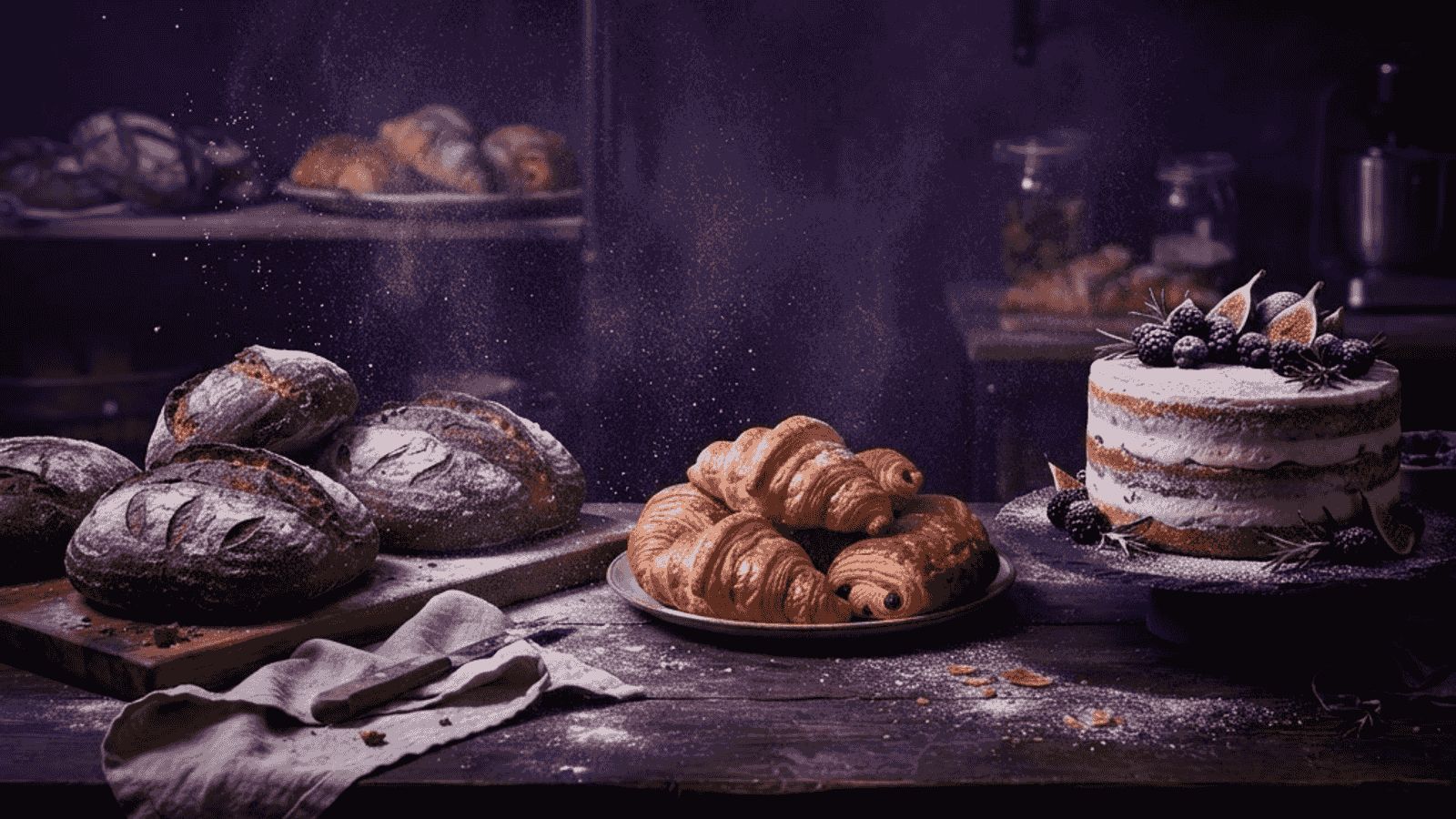
A City With Real Baking Culture
Lexington's baking scene has grown considerably, shaped by a strong local agricultural base, a food-curious population, and a wave of bakers who trained elsewhere and returned home. Regional milling operations supply flour to bakeries that care about provenance, and nearby dairies provide butter and cream that make a genuine difference in laminated doughs and custards. The seasonal rhythm of Kentucky produce shows up in fruit tarts, hand pies, and preserves folded into morning pastries.
What makes the local scene interesting is its range. Traditional Southern baking traditions, including caramel layer cakes, buttermilk pies, and cornmeal-based sweets, coexist with European technique-driven bakeries producing croissants and naturally leavened bread. Neither approach dominates, which means visitors can move from a classic bourbon-touched dessert to a precise pain au chocolat within the same afternoon.
How to Recognize a Serious Bakery
Quality reveals itself in small details. In bread, look for an irregular open crumb, a deeply colored crust, and a slightly tangy aroma indicating genuine fermentation rather than commercial yeast shortcuts. Well-made sourdough keeps for days without becoming leathery. In laminated pastry, the test is audible and visible: a croissant should shatter slightly when pressed, reveal distinct honeycomb layers inside, and taste of butter rather than generic richness.
Cakes deserve attention to crumb moisture and frosting balance. Overly sweet buttercream often masks a dry cake underneath. Timing matters too. Bakeries producing in small batches sell out, and arriving in the first two hours of service consistently yields better product. Finally, a bakery that changes its offerings with the seasons is usually one that sources thoughtfully.
The Leading Bakeries in Lexington
Millstone Bread Company anchors the naturally leavened category with a rotating lineup of country loaves, seeded ryes, and whole grain breads made from regionally milled flour. Long fermentation schedules produce complex flavor and impressive keeping quality. Its weekend focaccia and Danish-style pastries sell out early.
Bluegrass Butter and Flour concentrates on laminated pastry, turning out croissants, kouign-amann, and seasonal fruit danishes with visible technical discipline. The bakery is transparent about its butter sourcing and produces in small batches throughout the morning rather than baking everything at dawn. Regulars plan visits around the second bake.
Ashland Avenue Cakes has built a reputation on celebration cakes, particularly Southern classics such as caramel, coconut, and hummingbird layer cakes. Custom wedding work is a significant portion of its business, and its consultation process is unusually thorough regarding flavor, structure, and transport logistics. Slices are available daily for those not hosting an event.
Chevy Chase Patisserie focuses on French-style entremets, tarts, and individual desserts with careful attention to texture contrast. Its fruit tarts follow the seasons closely, and its chocolate work draws customers from well outside the neighborhood. Presentation quality makes it a common choice for dinner party contributions.
Distillery District Doughnuts produces yeasted and cake doughnuts with rotating glazes, including bourbon-inflected varieties that lean into local flavor traditions without becoming gimmicky. Frying schedules are posted so customers can arrive when product is freshest. The maple and brown butter versions have particularly loyal followings.
Sunrise Bagel Works makes boiled-then-baked bagels with proper chew and blistered crust, a standard that is harder to find than it should be. House-made cream cheese spreads and cured fish options turn a quick stop into a full breakfast. Weekend lines move efficiently.
Harvest Hearth Pie Shop specializes in pies, both sweet and savory, with all-butter crusts that hold structure without toughness. Its chess pie, bourbon pecan, and seasonal fruit versions represent Kentucky dessert tradition faithfully. Savory hand pies make it a practical lunch destination.
Nueva Panaderia Lexington brings Mexican baking traditions to the city with conchas, orejas, tres leches cakes, and bolillos baked throughout the day. Pricing is notably approachable, and the variety encourages exploration. The bakery is also a reliable source for celebration cakes in the Latin American style.
Hemp and Hearth Gluten Free Bakery addresses dietary restrictions without treating them as a compromise, producing breads, cookies, and cakes in a dedicated facility to prevent cross contamination. Its focus on texture rather than mere ingredient substitution sets it apart. Customers with celiac disease frequently describe it as the only local option they trust fully.
Old Fayette Bakehouse completes the list as a full-service neighborhood bakery covering bread, morning pastry, cookies, and simple cakes competently. Its value lies in consistency and breadth rather than specialization, making it a dependable everyday stop. Community regulars treat it as an informal gathering place.
Trends in the Local Baking Scene
Whole grain baking has gained real momentum, driven by both flavor interest and nutritional awareness. Bakeries are experimenting with heritage wheat varieties, spelt, and rye at higher percentages than a decade ago, and customers have grown more receptive to denser, more flavorful loaves. Regional milling relationships make this practical.
Preorder systems have also become standard, allowing bakeries to reduce waste while guaranteeing availability for customers. Many operations now release weekly menus and take orders through subscription-style arrangements. Meanwhile, savory baking has expanded, with laminated pastries filled with vegetables, cheese, and cured meats appearing on more menus as bakeries pursue lunch traffic.
Ordering Well and Storing Better
For special occasions, contact bakeries at least two to three weeks ahead, longer during wedding season and major holidays. Be specific about serving counts, dietary restrictions, and transport conditions, since summer humidity affects frosting stability significantly. Ask about tasting options for large orders.
At home, store crusty bread cut side down on a board or in paper rather than plastic, which softens the crust. Freeze sliced bread if you cannot finish it within two days, then toast directly from frozen. Laminated pastry is best the day it is baked but revives reasonably in a hot oven for a few minutes. Treating good baking with a little care preserves the work that went into it.