
A Baking Culture Built by Migration
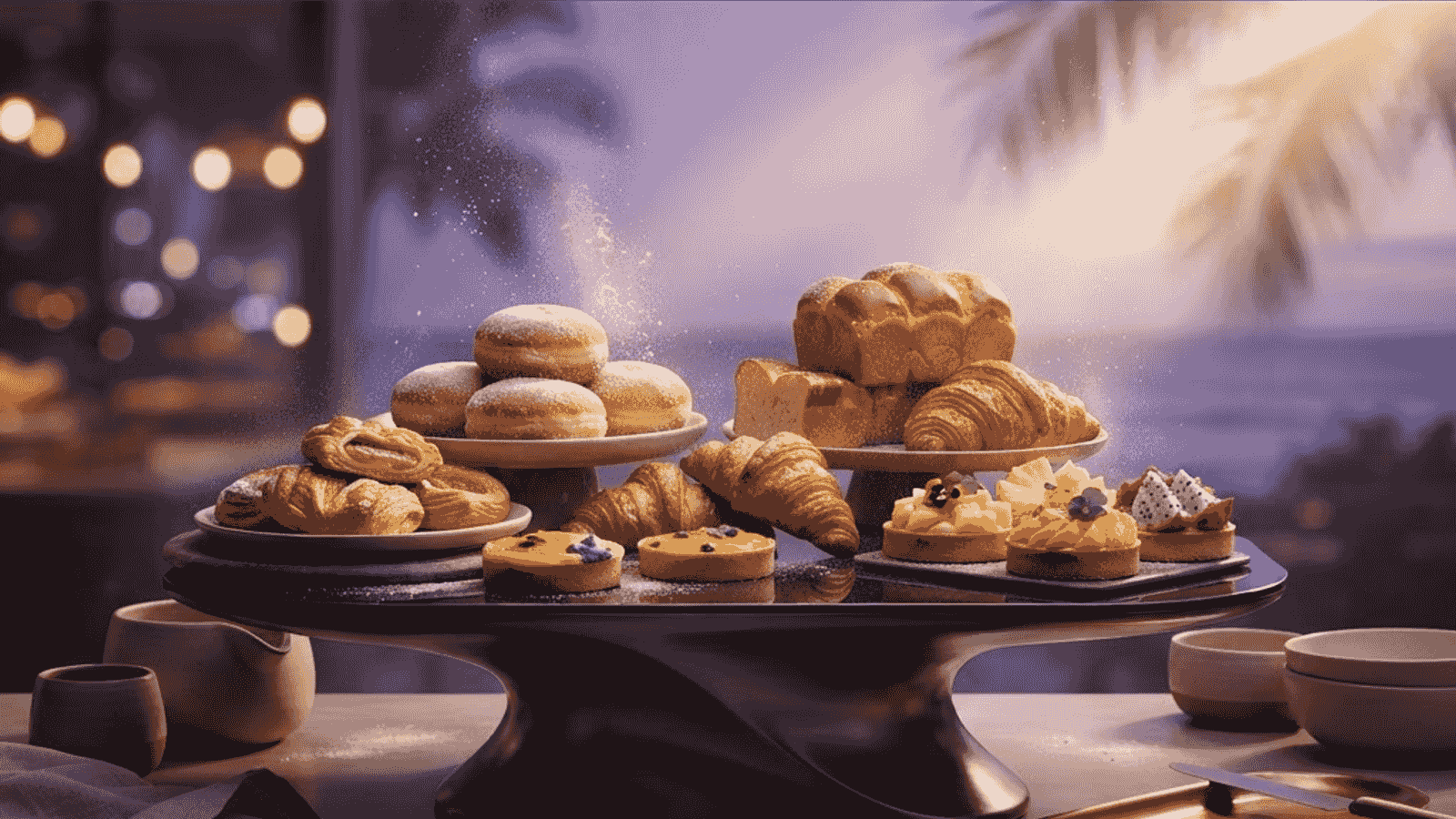
Honolulu's bakeries tell the story of Hawaii's plantation era more clearly than almost any other food category. Portuguese laborers brought fried dough that became the malasada. Japanese immigrants introduced the pillowy milk breads and bean-filled pastries that remain staples. Chinese communities contributed baked and steamed buns, moon cakes, and flaky pastries. Filipino families added ensaymada and pandesal. American and European techniques layered on top through statehood and tourism.
The result is a city where a single neighborhood bakery might sell guava chiffon cake, custard-filled malasadas, char siu bao, taro rolls, and a respectable croissant. This is not fusion for novelty's sake. These items coexist because generations of Honolulu families genuinely eat all of them, often in the same week. Understanding that context makes the local bakery scene far more interesting than a simple ranking suggests.
The Top 10 Bakeries in Honolulu
1. Leonard's Bakery. The malasada institution of Hawaii, operating in Kapahulu since the 1950s, Leonard's is where most visitors and many residents first understand what a Portuguese fried dough can be. The differentiator is consistency at volume. Malasadas come out hot throughout the day, rolled in granulated sugar or cinnamon, with filled versions including haupia, custard, and seasonal guava. The pink building is a genuine landmark, and the malasada trucks stationed around Oahu extend its reach.
2. Liliha Bakery. Famous statewide for its cocoa puffs, cream-filled choux pastries topped with chantilly, Liliha has served Honolulu since 1950. Beyond the signature item, it functions as a classic local bakery and diner with a griddle counter. The differentiator is the chantilly itself, a buttery custard-based frosting distinct from mainland whipped cream and central to Hawaii's dessert identity.
3. Ba-Le Bakery. A Vietnamese-founded chain born in Honolulu, Ba-Le built its reputation on French-influenced baguettes adapted for banh mi. The bread is lighter and crisper than a traditional French loaf, engineered for sandwiches, and the operation supplies both its own shops and other businesses. Excellent value and reliable quality make it a daily choice for many residents.
4. Kamehameha Bakery. Beloved for poi glazed doughnuts, an unmistakably Hawaiian creation using taro, this Kalihi bakery draws early morning lines. The differentiator is the poi itself, which gives the dough a purple hue and a subtly earthy sweetness that distinguishes it from any mainland doughnut.
5. Nisshodo Candy Store. Specializing in mochi and traditional Japanese confections since the early twentieth century, Nisshodo represents a craft tradition rather than a Western bakery model. Chichi dango, kinako mochi, and seasonal specialties are made in small batches. The differentiator is longevity and technique, with recipes maintained across generations.
6. Diamond Head Bakery. A wholesale and retail operation known for sweet bread, taro rolls, and pastries that appear on Honolulu tables at nearly every family gathering. Its strength is the Hawaiian sweet bread itself, soft and faintly sweet, which anchors everything from breakfast to leftover kalua pig sandwiches.
7. Cake Works. A Kapahulu patisserie focused on European-style cakes and desserts with Hawaii flavors woven in, including lilikoi, mango, and coconut. The differentiator is technical precision. Layers are even, mousses are properly set, and the presentation meets standards you would expect in a much larger city.
8. Breadshop. Representing Honolulu's modern artisan wave, this Kaimuki bakery focuses on naturally leavened breads, laminated pastries, and rotating specials driven by local ingredients. The differentiator is fermentation discipline and sourcing, with a genuine commitment to Hawaii-grown grains and produce where available.
9. Regal Bakery. A neighborhood favorite known for pineapple turnovers, coco puffs, and classic local pastries at accessible prices. Its appeal is the everyday bakery role, the kind of place where regulars are recognized and the case sells out before closing.
10. Sing Cheong Yuan Bakery. Anchoring Chinatown, this bakery is essential for Chinese pastries, almond cookies, moon cakes, and candied fruit. The differentiator is authenticity and range. Items are made to traditional specifications, and the shop remains a gathering point during Lunar New Year and Mid-Autumn Festival.
What Makes Hawaii Baking Technically Different
Climate is the primary variable. Honolulu's warmth and humidity accelerate fermentation, which sounds convenient but actually demands tighter control. Bakers shorten proofing windows, adjust hydration, and often work overnight to manage dough temperature. Humidity also affects finished products, softening crusts and shortening the shelf life of crisp items, which is one reason soft breads and enriched doughs dominate the local repertoire.
Ingredient logistics matter too. Flour, butter, and specialty items arrive by ocean freight, so bakeries plan inventory carefully and build relationships with suppliers who can be relied upon. Local ingredients, however, are exceptional. Tropical fruit, macadamia nuts, taro, coconut, honey, and Hawaii-grown cacao give bakers a palette that mainland peers must import at cost.
How to Explore the Scene
Go early. Honolulu bakeries operate on genuine morning rhythms and popular items sell out well before lunch. Bring cash, since several of the older establishments still prefer it. Ask what came out most recently rather than what is most famous, because a warm item straight from the fryer or oven is a fundamentally different experience. And treat the city's bakeries as neighborhood institutions rather than tourist stops. The people in line ahead of you have often been coming for decades, which is the most reliable review available.