
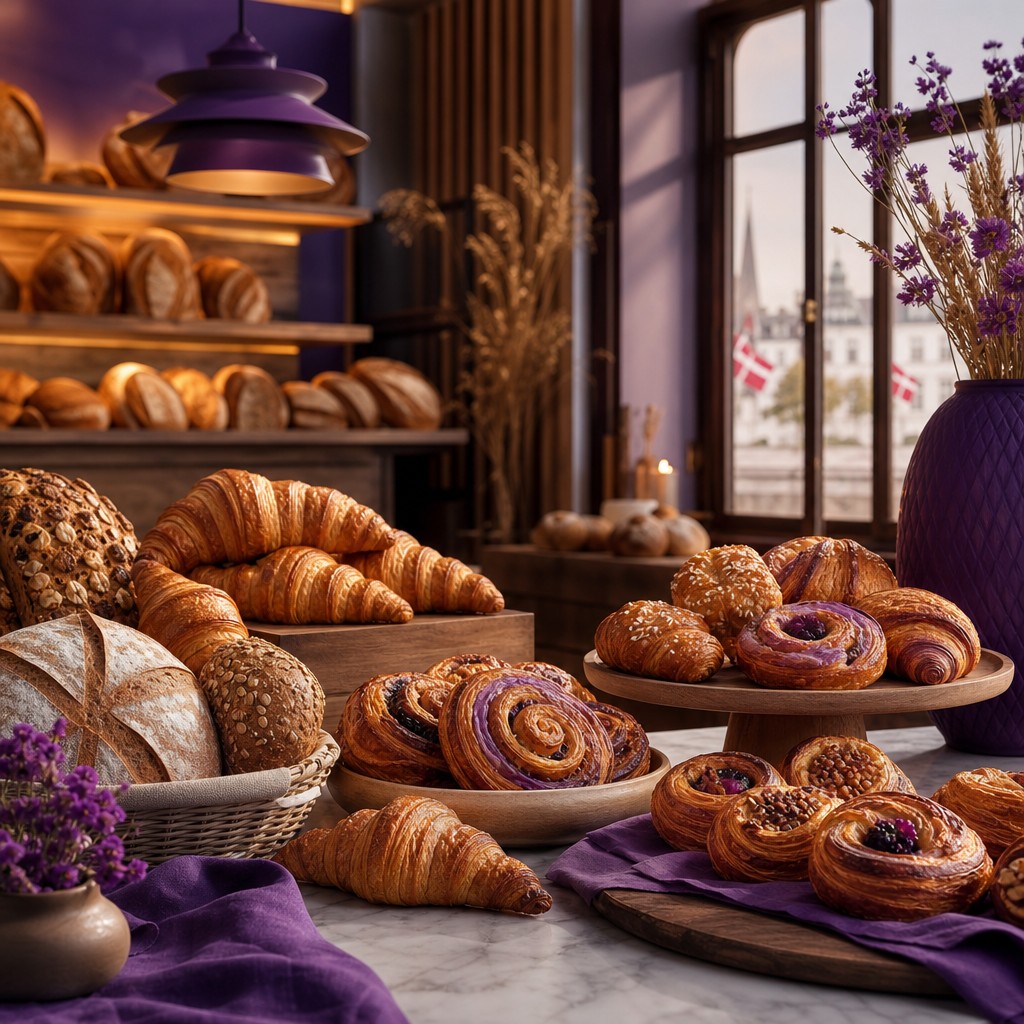
A Nation Built on Baking
Few countries take baking as seriously as Denmark. The very word wienerbrød, the Danish term for the pastries known internationally as Danishes, hints at a deep and beloved baking culture. From buttery, laminated pastries to dense, nourishing rye bread, baked goods are woven into the fabric of daily Danish life. A morning coffee accompanied by a fresh pastry, or a lunch built around open rye sandwiches, is a cherished ritual across the country.
Denmark's bakeries range from historic institutions to modern artisan workshops, all united by a commitment to quality ingredients and time-honoured technique. The recent wave of artisan baking has elevated standards further, with bakers reviving sourdough traditions, sourcing organic grains, and experimenting with new flavours while respecting Danish heritage.
What Makes Danish Bakeries Special
Danish bakeries are defined by craftsmanship and authenticity. Laminated doughs are folded patiently to achieve countless delicate layers, while rye breads are fermented slowly for depth of flavour and nutrition. Many bakeries prioritise organic and locally sourced ingredients, reflecting the country's strong food culture. The atmosphere matters too, with welcoming spaces that invite customers to linger over coffee and conversation.
The Top 10 Bakeries
1. Hart Bageri in Copenhagen has earned international acclaim for its exceptional sourdough breads and refined pastries, becoming a destination for serious bread lovers.
2. Juno the Bakery is celebrated for its cardamom buns and pastries, drawing long queues of devoted customers who consider it among the city's finest.
3. Andersen & Maillard combines a bakery and coffee roastery, offering meticulously crafted pastries alongside expertly brewed coffee.
4. Meyers Bageri, part of the influential Claus Meyer food movement, champions organic ingredients and traditional Nordic baking across multiple locations.
5. Lagkagehuset is a beloved nationwide bakery chain known for consistent quality, offering everything from rye bread to celebratory layer cakes.
6. Sankt Peders Bageri, one of Copenhagen's oldest bakeries, is famous for its Wednesday cinnamon snails, a long-standing local tradition.
7. Brød in Aarhus brings artisan baking to Jutland, with a focus on quality sourdough and seasonal pastries.
8. Emmerys is a popular organic bakery and café chain offering wholesome breads, pastries, and a relaxed atmosphere.
9. Skt. Peders and neighbourhood bakeries across smaller towns keep regional traditions alive, baking fresh daily for their local communities.
10. Det Rene Brød and organic specialists focus on wholesome, additive-free baking, appealing to health-conscious customers seeking pure ingredients.
Signature Danish Baked Goods
No exploration of Danish bakeries is complete without celebrating their signature creations. The flaky, buttery wienerbrød comes in countless varieties, often filled with remonce, custard, or fruit. Cardamom and cinnamon buns are perennial favourites, their warm spices perfuming bakery interiors. Rugbrød, the dense rye bread central to Danish cuisine, is prized for its hearty texture and nutritional value. Seasonal treats, from æbleskiver in winter to fastelavnsboller in spring, add festive variety throughout the year.
The Artisan Revival
In recent years, Denmark has experienced a remarkable artisan baking renaissance. Bakers are returning to slow fermentation, natural leavening, and high-quality stone-milled flours. This movement has not only improved flavour and nutrition but also elevated baking to an art form, with several Danish bakeries gaining international recognition. The emphasis on sustainability, from organic grains to reduced waste, aligns baking with broader Danish values.
Finding the Best Bakery
When seeking out a great Danish bakery, look for signs of genuine craftsmanship: freshly baked goods made on-site, transparency about ingredients, and a willingness to use organic or locally sourced flour. The aroma of fresh bread, a knowledgeable staff, and a steady stream of loyal local customers are reliable indicators of quality. Sampling the rye bread and a classic pastry is the best way to judge a bakery's true skill.
The Bakery as a Community Hub
In Denmark, the local bakery is more than a place to buy bread; it is a cornerstone of community life. Neighbourhood bakeries open early, filling the streets with the comforting aroma of fresh baking and serving as gathering points where residents exchange greetings and catch up over coffee. This social dimension is an essential part of the Danish concept of hygge, the cherished feeling of cosiness and togetherness. Many bakeries double as cafés, offering inviting spaces where customers can relax with a pastry and a hot drink.
This community role encourages bakeries to maintain high standards and build genuine relationships with their customers. Loyalty is earned through consistency, friendliness, and quality, and the best bakeries become beloved institutions passed down through generations of local families.
Seasonal Celebrations and Specialties
Danish baking follows the rhythm of the seasons and the calendar of celebrations. In the lead-up to Lent, bakeries fill their windows with fastelavnsboller, rich buns filled with cream and topped with icing. Winter brings warm æbleskiver and spiced treats associated with the festive season, while summer invites lighter pastries and fruit-filled creations. These seasonal specialties give bakeries an ever-changing repertoire and offer customers something to look forward to throughout the year, deepening the connection between baking and Danish cultural traditions.
Conclusion
Denmark's bakeries represent a proud culinary tradition that continues to evolve and inspire. From historic institutions to celebrated modern artisans, these establishments deliver baked goods of exceptional quality and character. Whether you crave a buttery pastry, a fragrant cardamom bun, or a slice of nourishing rye bread, Denmark's bakeries offer an authentic taste of Nordic baking at its very best.