
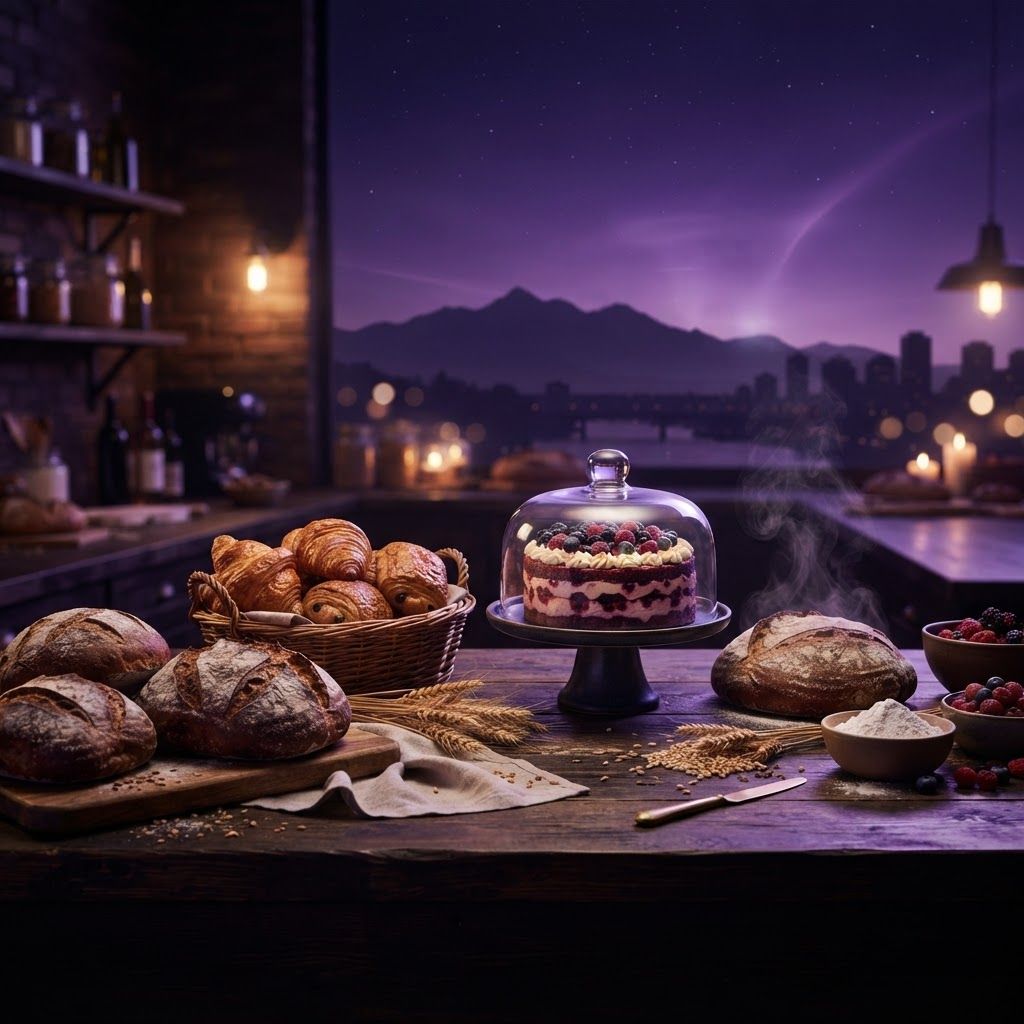
A Baking Scene Shaped by Wheat Country
It is easy to overlook that Boise City sits in one of the more productive grain regions in the country. Idaho wheat, along with grain from neighboring parts of the Northwest, has quietly supported a local baking culture that has become considerably more ambitious over the past decade. Several Treasure Valley bakeries now mill their own flour or source from regional mills, and the difference shows in bread with actual flavor rather than merely structure.
The city's growth accelerated things. New residents arrived with expectations formed in Portland, Seattle, and the Bay Area, and bakers arrived alongside them. What developed was not imitation of those cities but something with its own character, drawing on local grain, Idaho's substantial Basque community, orchard fruit from the Snake River valley, and a general regional preference for the unfussy over the ornamental.
The result is a scene where a small storefront might produce naturally leavened loaves that would hold their own anywhere, and where the pastry case at a neighborhood cafe reflects real technique rather than distribution from a commissary.
What Separates Good Baking From Ordinary Baking
A few markers are worth knowing. In bread, naturally leavened loaves fermented slowly develop complexity that commercial yeast and short fermentation cannot produce. Look for an irregular open crumb, a genuinely dark and blistered crust, and a slightly tangy, wheaty aroma. Bread that is pale, uniformly airy, and sweet-smelling was made fast.
In laminated pastry, croissants and their relatives depend on butter quality and lamination discipline. A good croissant shatters when torn, reveals distinct layers, smells strongly of butter, and leaves flakes everywhere. One that tears like bread and feels soft throughout was underworked or underproofed.
In cakes and finished pastry, watch for restraint. Excessive decoration frequently compensates for mediocre crumb and filling. The best examples taste like a specific thing, whether that is toasted almond, sour cherry, or dark chocolate, rather than generic sweetness.
Freshness discipline matters too. Bakeries that sell out are usually baking to demand rather than holding inventory, which is a good sign even when it is inconvenient.
Ten Outstanding Bakeries in Boise City
Basalt Bread Company is a naturally leavened bakery working primarily with regional wheat, producing country loaves, seeded ryes, and a rotating whole grain selection. Their long fermentation and dark bake produce bread with real depth, and their weekend loaves reliably sell out by midday.
Sawtooth Pastry House concentrates on laminated dough, turning out croissants, pain au chocolat, kouign amann, and seasonal fruit danishes. Their butter sourcing and lamination consistency have made them the local benchmark, and the morning line is a reasonable indicator of quality.
Basque Country Sweets honors Boise's substantial Basque heritage with gateau Basque, sheep's milk cheesecake, and traditional cookies alongside contemporary interpretations. Few American cities support a bakery of this specialty, and it remains one of the more distinctive food experiences in the Treasure Valley.
Snake River Grain and Hearth mills flour in house from Idaho and regional grains, producing hearth breads, flatbreads, and whole grain baked goods with unusual flavor intensity. They also sell flour directly, which has developed a following among home bakers.
Foothills Cake Studio focuses on celebration and wedding cakes, working from consultation through delivery with attention to structure as well as appearance. Their reputation is built on cakes that taste as good as they photograph, which is less common than it should be.
Capital City Doughnut Works produces both yeast-raised and cake doughnuts made fresh through the morning, with seasonal glazes drawing on Idaho orchard fruit and regional honey. Their approach favors balanced sweetness over novelty, and the plain glazed is a fair test of any doughnut shop.
Gem State Gluten Free Bakery serves customers avoiding gluten with breads, pastries, and cakes developed specifically for alternative flours rather than adapted from wheat recipes. Their dedicated facility addresses cross-contamination concerns, and their results are notably better than the category's reputation would suggest.
Payette Valley Pie Company specializes in fruit and cream pies built around Snake River valley produce, including cherries, peaches, apples, and berries in season. Their all-butter crust and restrained sugar let the fruit dominate, and their holiday preorders fill weeks ahead.
Ridgeline Cafe and Bakery combines a full pastry program with a coffee and breakfast operation, producing scones, morning buns, quiche, and sandwich breads baked on site. It functions as a neighborhood anchor, and the quality of the baking exceeds what the casual setting implies.
Treasure Valley Bagel and Bialy makes hand-rolled, boiled bagels with an overnight fermentation, alongside bialys and traditional accompaniments. Their chew and crust reflect proper technique, and they have converted a fair number of skeptics who had given up on bagels outside the Northeast.
Practical Advice for Ordering Well
Timing shapes the experience more than most people expect. Laminated pastry is at its best within a few hours of baking, so early visits are genuinely better rather than merely traditional. Bread is often better a few hours after baking, once the crumb has set, and many hearth loaves improve on the second day for toast.
Celebration cakes require lead time, typically two weeks for custom work and considerably more during wedding season and holidays. Bring reference images, but discuss flavor with equal seriousness, since structural requirements sometimes constrain design choices.
For fruit pies and seasonal items, buy in season. Idaho cherries in early summer and orchard peaches later are the reason regional pie is worth seeking out, and the same recipe made from frozen fruit in February is a different product.
If you are storing bread, keep it cut side down on a board or in paper for a day or two, and freeze sliced loaves rather than refrigerating them. Refrigeration accelerates staling considerably.
Supporting a Local Baking Culture
Small bakeries operate on thin margins with early hours and perishable inventory. Preordering for holidays, arriving before closing rather than after, and buying whole loaves rather than only pastry all help these businesses remain viable. Several Treasure Valley bakeries also sell at area farmers markets, which extends their reach without the cost of additional storefronts.
For a city that was, not long ago, poorly served on this front, Boise City now offers a bakery scene worth exploring deliberately. The strongest examples are doing careful work with regional grain and seasonal fruit, and the results reward anyone willing to get up a little earlier.