
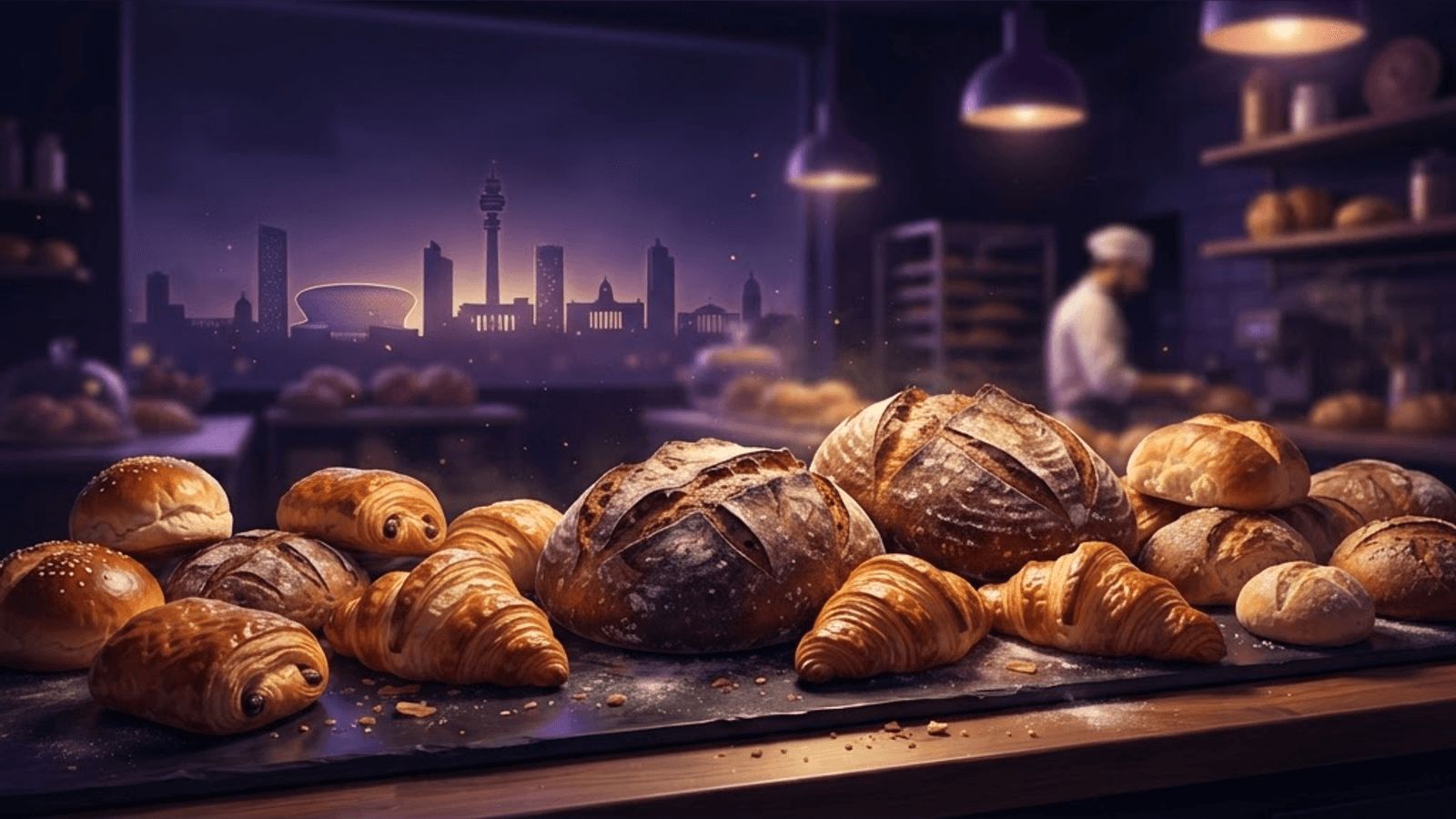
A City That Takes Its Bread Seriously
Birmingham's bakery culture reflects everything that makes the city interesting: layers of tradition, waves of migration, and a stubborn practicality about value for money. Within a few miles you can find a Polish bakery selling rye loaves, a Caribbean bakery producing hardo bread and spiced buns, a South Asian bakery making fresh naan by the hundred, and a modern artisan operation working with long-fermented sourdough and locally milled flour.
That diversity is genuinely unusual. Many British cities have either a traditional high street bakery scene or a fashionable artisan one. Birmingham has both, running in parallel and increasingly influencing one another. It is now entirely normal to find a sourdough bakery selling cardamom buns alongside a coconut turnover.
What Separates an Excellent Bakery
The fundamentals are unglamorous. Good flour, properly developed dough, adequate fermentation time and a baker willing to start work in the small hours. Long fermentation, whether through sourdough culture or a slow pre-ferment, produces bread with better flavour, texture and digestibility than the accelerated industrial process used in most supermarket loaves.
Freshness discipline matters equally. The best bakeries bake in batches through the day rather than producing everything at dawn, and they are honest about what came out of the oven when. Small operations often sell out by early afternoon, which is a mark of correct production planning rather than poor stock control.
The Best Bakeries in Birmingham
1. Jewellery Quarter Bakehouse — An artisan sourdough specialist working with British-grown, stone-milled flour. Their long-fermented country loaf has a deeply caramelised crust and open, moist crumb. The morning pastry selection, particularly the laminated croissants, sells out quickly.
2. Digbeth Bread Company — A larger craft bakery supplying restaurants across the city alongside their own counter. Their focaccia and ciabatta are staples on many local menus, and their weekend cinnamon buns have developed something of a following.
3. Moseley Village Bakery — A neighbourhood favourite combining traditional British baking with continental influence. Their savoury pies, sausage rolls and fruit tarts sit comfortably alongside a solid range of everyday bread.
4. Sparkhill Naan House — A tandoor bakery producing fresh naan, roti and paratha continuously through the day. The queue at teatime is a reliable indicator of quality, and prices remain remarkably reasonable.
5. Handsworth Caribbean Bakery — Specialists in hardo bread, bun and cheese, spiced patties and coconut turnovers. The recipes are traditional and the baking is consistent, which is precisely why generations of families keep returning.
6. Harborne Patisserie — A French-influenced operation focused on fine pastry, including éclairs, tarts and entremets. The technical execution is genuinely impressive, and their celebration cakes are frequently ordered months in advance.
7. Kings Heath Wholegrain — A health-focused bakery concentrating on wholemeal, rye, spelt and seeded loaves, with a serious gluten-free range produced in a separate area to avoid cross-contamination.
8. Bournville Bake House — A traditional bakery in one of the city's most characterful areas, known for crusty bloomers, Chelsea buns and old-fashioned iced fingers that taste exactly as they should.
9. Stirchley Stone Oven — A wood-fired bakery producing bread with a distinctive smoky depth. Their Saturday-only large loaves attract a devoted crowd who arrive early and rarely leave disappointed.
10. Erdington Polish Bakery — Rye bread, poppy seed rolls, paczki and cheesecake made to Central European recipes. The dense, sour rye keeps well for days and is a revelation for anyone raised solely on soft white bread.
Understanding What You Are Buying
Terminology in baking is loosely regulated, and it pays to know the difference. Genuine sourdough uses only flour, water, salt and a natural culture, fermented slowly. Some commercial products described as sourdough include commercial yeast and additives to accelerate the process, producing a similar taste with none of the textural or digestive benefits.
Similarly, artisan is not a protected term. The meaningful signals are whether the bakery mixes and shapes on site, how long their fermentation takes, and whether they can tell you where their flour comes from. Bakers who care about these things are invariably happy to discuss them.
Trends in the Local Baking Scene
Provenance has become a genuine selling point, with several Birmingham bakeries sourcing from regional mills and even specifying wheat varieties. Heritage grains such as spelt and emmer appear increasingly on shelves, valued for flavour as much as nutrition.
Reducing waste has also driven creativity. Day-old bread becomes croutons, breadcrumbs, bread pudding and panzanella, while surplus is often redistributed through community schemes rather than discarded.
Plant-based baking has matured considerably. Early vegan pastry was often disappointing, but improved fat alternatives and better technique mean the best examples now stand comparison with butter-based versions.
Making the Most of a Bakery Visit
Arrive early for the widest selection, or late if you want the reductions that many bakeries offer near closing. Ask what came out of the oven most recently. Buy bread unsliced if you can, since a whole loaf stays fresh considerably longer, and store it in paper or a bread bin rather than plastic, which softens the crust.
Final Thoughts
Birmingham's bakeries offer something genuinely distinctive: a scene where traditional community baking and modern artisan craft coexist and improve one another. Whether your preference runs to a properly blistered sourdough crust, a warm naan straight from the tandoor or a perfectly laminated croissant, the city rewards anyone willing to explore beyond their own neighbourhood.