
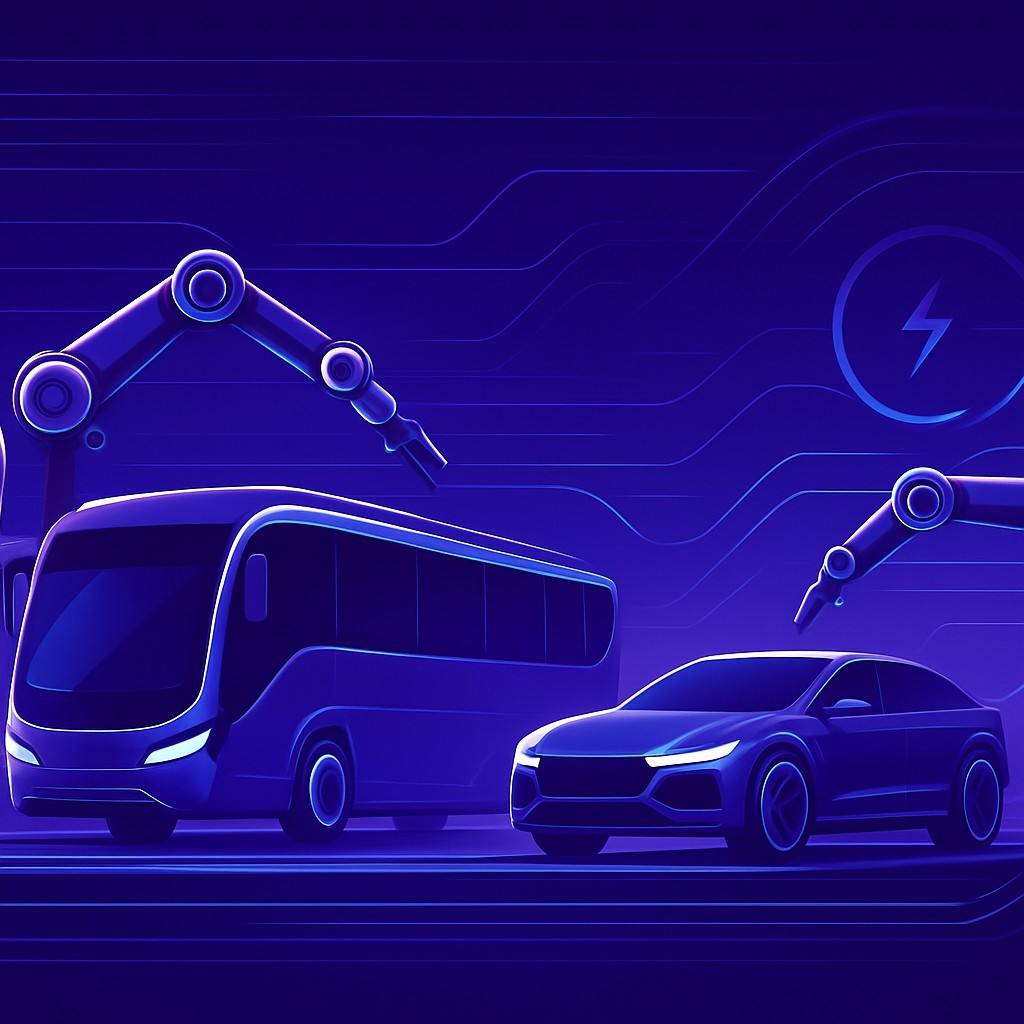
Senegal Drives Toward Automotive Manufacturing
Senegal is taking meaningful steps to develop a domestic automotive industry. Historically reliant on imported vehicles, the country has begun attracting investment in vehicle assembly, including buses, trucks, and increasingly electric mobility solutions. The establishment of assembly plants signals a strategic ambition to add local value, create jobs, and reduce the cost of transport. With a young population and growing urbanization, demand for affordable and reliable vehicles continues to rise, creating fertile ground for the sector's growth.
The Importance of Local Assembly
Local vehicle assembly offers several advantages. It creates skilled manufacturing jobs, develops a supplier network for parts and components, and can lower vehicle prices by reducing import costs. Assembly operations also allow manufacturers to tailor vehicles to local conditions, such as durable suspensions for varied road surfaces. For Senegal, building automotive capacity supports broader industrialization goals and positions the country as a potential hub for vehicle production in the West African region.
The Top 10 Automotive Manufacturers and Assemblers
1. Senbus Industries is a flagship of Senegalese vehicle assembly, producing buses and minibuses for public and private transport. Its operations are central to modernizing the country's transit fleet.
2. AfriAuto Assembly focuses on assembling passenger and commercial vehicles, building local capability in production and quality control.
3. Teranga Motors works to bring affordable vehicles to the local market through assembly and distribution, with attention to durability and serviceability.
4. CFAO Motors Senegal is a major player in vehicle distribution and after-sales service, supporting multiple international brands and contributing to the automotive ecosystem.
5. Senegal Auto Industries engages in vehicle assembly and component supply, strengthening the local value chain for transport equipment.
6. Dakar Motors specializes in commercial vehicles and fleet solutions, serving businesses, logistics operators, and public transport providers.
7. Eco Mobility Senegal targets electric and low-emission transport, assembling and promoting cleaner mobility options suited to urban environments.
8. Baobab Automotive provides assembly and customization services, adapting vehicles for specialized uses across agriculture, construction, and transport.
9. Sahel Trucks focuses on heavy commercial vehicles and trucks, supporting the logistics and freight sector that underpins trade.
10. Niayes Motors represents the growing network of assemblers and service providers building local expertise in vehicle production and maintenance.
Electric Mobility on the Horizon
One of the most promising developments in Senegal's automotive sector is the emergence of electric mobility. With abundant solar resources and growing concern over fuel costs and air quality, electric buses, motorcycles, and cars are attracting interest. Local assemblers and startups are exploring electric models suited to urban transport, supported by the country's expanding renewable energy capacity. This convergence of clean energy and mobility could position Senegal as a regional leader in sustainable transport.
Building the Supply Chain
A sustainable automotive industry requires more than assembly plants; it depends on a network of suppliers for components, tires, batteries, and electronics. Developing this ecosystem creates additional jobs and deepens local value addition. Training programs for technicians and engineers are essential to support both manufacturing and after-sales service. Government incentives, infrastructure investment, and partnerships with established global manufacturers all play a role in nurturing a competitive supply chain.
The Road Ahead for Senegalese Automotive
Senegal's automotive industry is still in its early stages, but the momentum is clear. With strategic investment, supportive policy, and rising demand, the sector has significant growth potential. The companies featured here are pioneering local assembly, distribution, and the shift toward electric mobility. As the industry matures, it promises to deliver more affordable transport, skilled employment, and a stronger industrial base, helping to drive Senegal's economic development forward.