
The Automotive Manufacturing Landscape
Automotive manufacturing in the Ramapo region looks different from the assembly plants of the industrial Midwest. Rather than producing complete vehicles, companies serving this area specialize in components, subassemblies, commercial vehicle upfitting, specialty and emergency vehicle production, aftermarket parts, and engineering services supporting the broader automotive supply chain.
This structure suits the region's strengths. Access to skilled machinists, fabricators, and engineers, combined with proximity to a dense commercial vehicle market throughout the New York metropolitan area, supports businesses that build to specification rather than to mass-market volume.
Component Manufacturing
Precision component production serves both original equipment and aftermarket channels. Capabilities in the region include computer-controlled machining of metal parts, stamping and forming, injection molding of plastic components, rubber and gasket production, and wire harness assembly.
Automotive components carry demanding requirements. Dimensional tolerances are tight, material specifications are strict, and parts must perform through temperature extremes, vibration, and long service lives. Manufacturers serving this market maintain measurement equipment, statistical process control, and documented inspection procedures that verify conformance lot after lot.
Commercial Vehicle Upfitting
One of the most active segments involves converting chassis and cargo vans into purpose-built work vehicles. Upfitters install shelving and storage systems, partitions, power inverters and auxiliary electrical systems, ladder racks, lift gates, refrigeration units, service bodies, and specialized equipment mounts.
Fleet operators throughout Rockland County and the surrounding region rely on these services. Contractors, utilities, delivery services, medical transport providers, and municipal departments all require vehicles configured for specific work, and standardized upfits across a fleet improve technician efficiency and simplify maintenance.
Quality upfitting requires attention to weight distribution, payload capacity, structural mounting, electrical load calculation, and compliance with safety standards. Poorly executed conversions create handling problems, premature component wear, and liability exposure.
Specialty and Emergency Vehicles
Specialty vehicle builders produce ambulances, fire apparatus support vehicles, mobile command units, food trucks, mobile medical and dental clinics, and custom trailers. These builds combine chassis engineering, body fabrication, electrical systems, plumbing, climate control, and interior finishing.
Each unit is effectively a custom project, requiring detailed specification development, engineering review, and often certification to applicable standards. Lead times extend for months, and buyers benefit from builders who communicate progress clearly throughout construction.
Electric Vehicle Transition
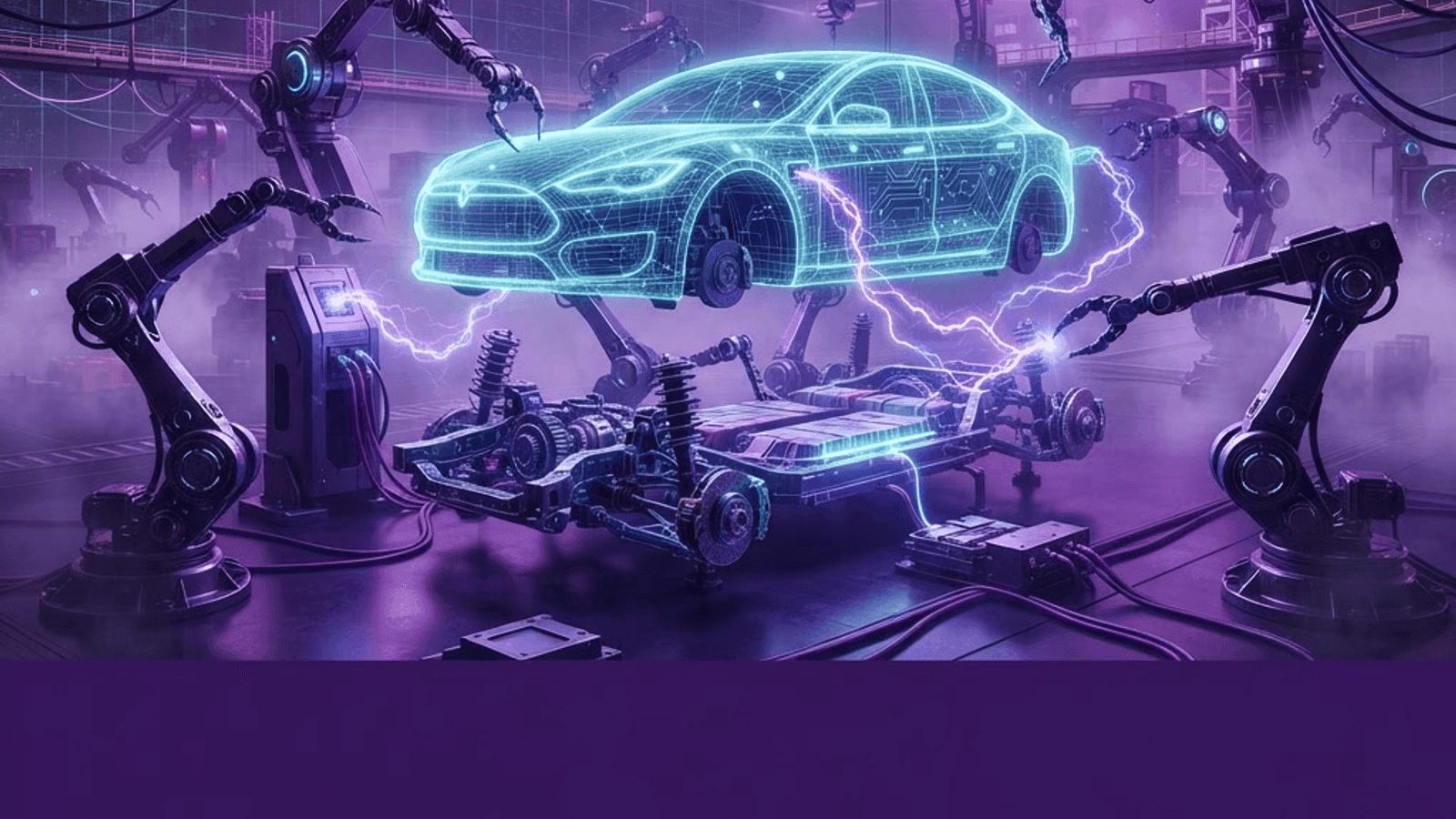
Electrification is reshaping automotive manufacturing broadly, and regional suppliers are adapting. Opportunities include battery enclosure fabrication, thermal management components, high-voltage cable assemblies, charging infrastructure hardware, and conversion services for commercial fleets adopting electric vans and trucks.
Upfitters are developing expertise in high-voltage safety procedures and in designing auxiliary systems that draw from vehicle batteries without compromising range. Fleet customers increasingly request telematics integration and charging management as part of vehicle delivery.
Aftermarket and Performance Products
The aftermarket segment produces accessories, replacement parts, and performance components. Regional manufacturers supply suspension components, exhaust systems, lighting, protective equipment, and interior accessories, often serving enthusiast markets where quality and finish carry premium value.
Small-batch capability is a competitive advantage here, allowing brands to offer products for vehicle applications that larger manufacturers ignore.
Quality and Compliance
Automotive supply carries rigorous quality expectations. Suppliers to original equipment manufacturers typically must meet sector-specific quality management standards that extend beyond general requirements, encompassing production part approval processes, failure mode analysis, control plans, and measurement system analysis.
Vehicle modifications must not compromise compliance with federal motor vehicle safety standards, and manufacturers of completed or altered vehicles carry certification obligations. Reputable builders understand these requirements and document compliance properly.
Engineering and Prototyping Services
Beyond production, regional firms provide design engineering, computer-aided modeling, finite element analysis, rapid prototyping, and testing. These services support both established manufacturers developing new products and startups entering mobility markets.
Prototyping capability has expanded considerably with additive manufacturing, allowing functional parts to be produced in days for fitment testing before committing to tooling.
Selecting an Automotive Manufacturing Partner
Define your requirements precisely, including volumes, tolerances, materials, testing expectations, and certification needs. Suppliers vary widely in what they can support, and mismatched expectations waste time for both parties.
Evaluate quality systems directly. Ask to see inspection equipment, review a sample control plan, and understand how nonconforming material is handled. For upfitting and specialty vehicle work, inspect completed units and speak with fleet customers about durability and service support.
Consider capacity and financial stability, particularly for programs requiring multi-year supply. A supplier that cannot scale or that faces liquidity constraints creates risk regardless of technical capability.
Address tooling ownership, intellectual property, warranty terms, lead times, and change management procedures in writing before production begins.
Workforce and Regional Advantages
Automotive manufacturing depends on skilled trades including machinists, welders, fabricators, electricians, and technicians. Regional trade programs and apprenticeships supply this talent, and companies that invest in training tend to deliver more consistent quality.
Proximity to a large fleet market allows rapid service response, warranty support, and in-person consultation that distant suppliers cannot match, which frequently outweighs modest price differences for commercial buyers.
Final Thoughts
Automotive manufacturing serving Ramapo delivers specialized, high-value capability rather than mass production. Whether you need precision components, a configured work fleet, or a custom specialty vehicle, the regional supply base offers engineering depth and responsiveness. Choose partners with documented quality practices, relevant experience, and a willingness to engage early in specification development.