
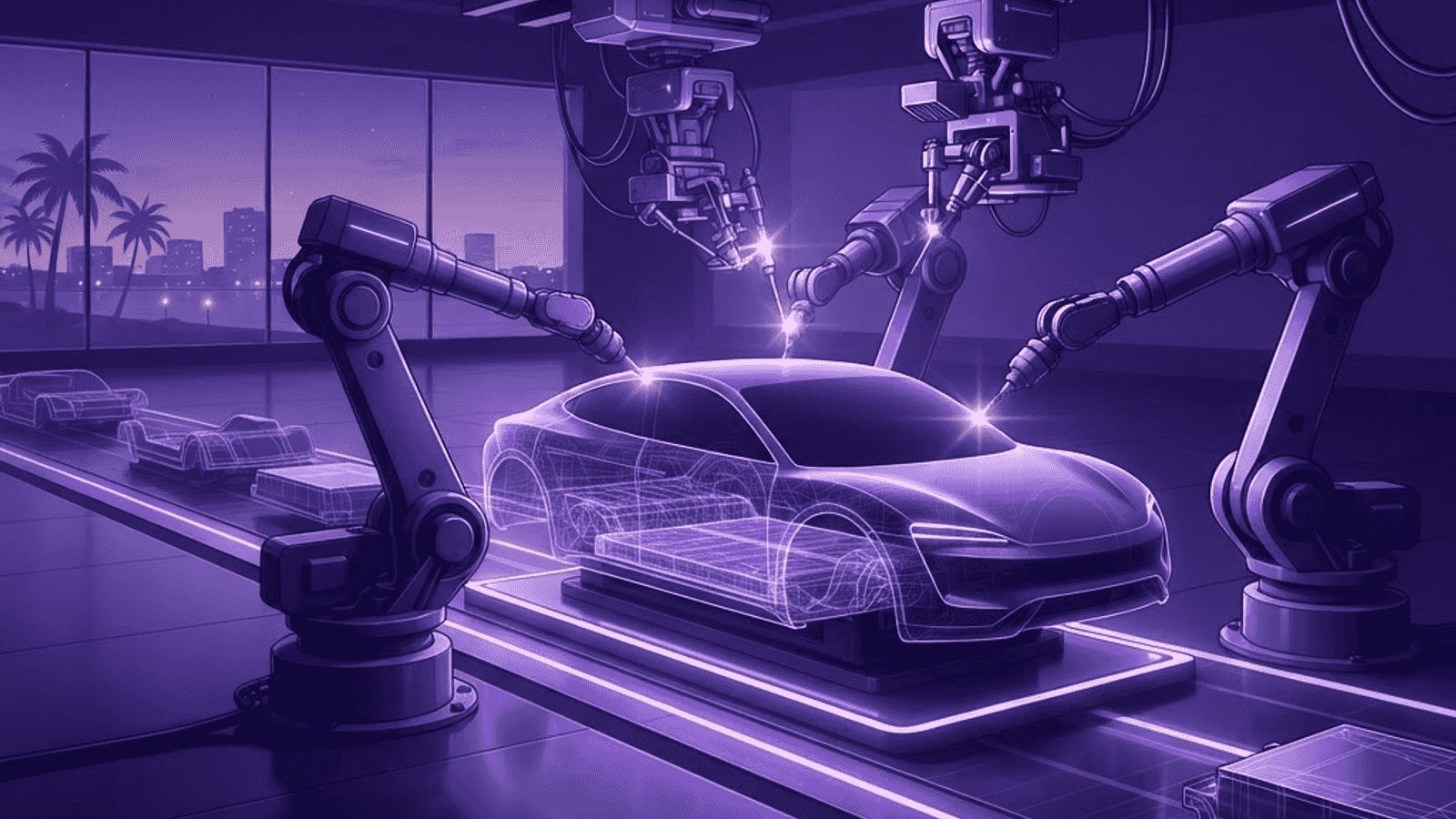
Understanding Automotive Manufacturing on the Treasure Coast
Port St. Lucie has no automobile assembly plant, and framing the local industry in those terms misses what is actually here. The region's automotive manufacturing sector consists of component producers, commercial vehicle upfitters, custom fabricators, restoration specialists, performance builders, and trailer manufacturers. Collectively these businesses employ skilled tradespeople and serve markets extending well beyond Florida.
The demand drivers are local and specific. Port St. Lucie's construction boom created sustained need for work trucks fitted with service bodies, cranes, toolboxes, and specialized equipment. The region's boating culture generates continuous demand for custom trailers and towing modifications. A large retiree population supports mobility conversions and adaptive vehicle equipment. The classic car community in South Florida sustains restoration and performance fabrication shops. And commercial fleets across landscaping, pest control, delivery, and municipal services all require upfitting that no factory provides.
The Work Involved
Commercial upfitting is the largest category. It involves installing service bodies, utility beds, ladder racks, shelving systems, lighting, inverters, air compressors, cranes, liftgates, and telematics onto chassis delivered from manufacturers. Done properly it requires structural engineering, electrical integration, weight distribution calculation, and compliance with federal vehicle safety standards.
Custom fabrication covers roll cages, chassis work, suspension components, exhaust systems, brackets, and one-off parts produced by machining, welding, and forming. Restoration combines metalwork, paint, upholstery, and mechanical rebuilding, often with fabrication of parts no longer available. Trailer manufacturing produces boat, equipment, enclosed cargo, and utility trailers built to specific load and towing requirements. Mobility conversion adds wheelchair lifts, ramps, transfer seats, and hand controls under strict safety standards. Component production supplies parts to other manufacturers and the aftermarket.
Companies Leading the Local Market
1. Treasure Coast Truck Upfitters
The region's largest commercial vehicle upfitter, building service bodies, utility beds, and equipment installations for construction, utility, and municipal fleets. Known for engineered electrical integration and complete weight distribution documentation.
2. Lucie Precision Fabrication
A machining and welding shop producing custom automotive components, brackets, suspension parts, and short-run production pieces for other manufacturers and performance builders.
3. Port Harbor Trailer Manufacturing
Builds boat, equipment, and utility trailers engineered for marine and construction use, with hot-dip galvanizing and corrosion protection suited to salt exposure.
4. Riverbend Mobility Conversions
Installs wheelchair lifts, ramps, lowered floors, transfer seating, and hand controls, working with healthcare providers and families under applicable federal safety standards.
5. Sandhill Classic Restoration
A restoration specialist handling metal fabrication, bodywork, paint, interior work, and drivetrain rebuilding on vintage vehicles, serving collectors across South Florida.
6. Crosstown Performance Engineering
Builds roll cages, chassis reinforcement, exhaust systems, and forced induction installations for motorsport and street performance applications, with in-house tuning capability.
7. Coastline Fleet Graphics and Outfitting
Combines vehicle wrapping, lettering, partitions, shelving, and lighting into complete fleet outfitting packages for service businesses standardizing across multiple vehicles.
8. Palm Grove Automotive Components
Produces rubber, plastic, and composite components supplied to vehicle manufacturers and the aftermarket, including seals, bushings, and molded trim pieces.
9. Founders Row Electric Vehicle Conversions
A newer venture converting light commercial and classic vehicles to electric drivetrains, handling battery integration, motor mounting, and controls with attention to thermal management.
10. Lucie Bay Specialty Vehicles
Builds purpose-specific vehicles including mobile service units, food trucks, and equipment carriers, integrating plumbing, power, refrigeration, and structural modifications.
Trends Shaping the Industry
Electrification is the largest structural change. Commercial fleets are beginning to adopt electric vans and light trucks, which alters upfitting entirely because power for onboard equipment must be drawn from high-voltage systems rather than engine-driven accessories. Shops that develop electrical engineering capability will absorb work from those that do not.
Chassis availability has been another defining factor. Extended delays in new commercial vehicle supply pushed fleets toward refurbishing and re-upfitting existing trucks, creating steady work for shops able to transfer bodies and rebuild equipment. Advanced driver assistance systems have added calibration requirements to any modification affecting sensors, bumpers, or windshields. Telematics integration is now standard on fleet builds rather than optional. And lightweight materials including aluminum bodies and composite panels require different welding, fastening, and repair techniques than steel.
How to Choose a Builder
Verify that the shop understands federal motor vehicle safety standard compliance for the modifications you need, particularly for mobility conversions and structural changes, since improper work creates liability and can void warranties. Ask how electrical loads are calculated and how circuits are protected, because poorly executed electrical work is the leading cause of upfit failures and fire risk. Confirm weight distribution and axle rating analysis for any body or equipment installation. Request references from fleets running similar builds for several years. Clarify warranty terms and who handles a defect discovered after delivery. For fabrication and restoration, inspect completed work closely, as weld quality and panel fit are visible indicators of overall standards. Finally, discuss lead times honestly and get milestone commitments in writing for long projects.
Final Thoughts
Automotive manufacturing in Port St. Lucie is a skilled-trade economy built around customization rather than volume, and it serves needs that no factory can address. Whether the requirement is a fleet of properly engineered service trucks, a galvanized trailer built for salt water, a mobility conversion, or a restoration done to original standards, the companies above represent genuine local capability. Prioritize compliance, electrical engineering competence, and documented workmanship, and the vehicle will serve reliably for years.