
Newark's Real Role in the Automotive Industry
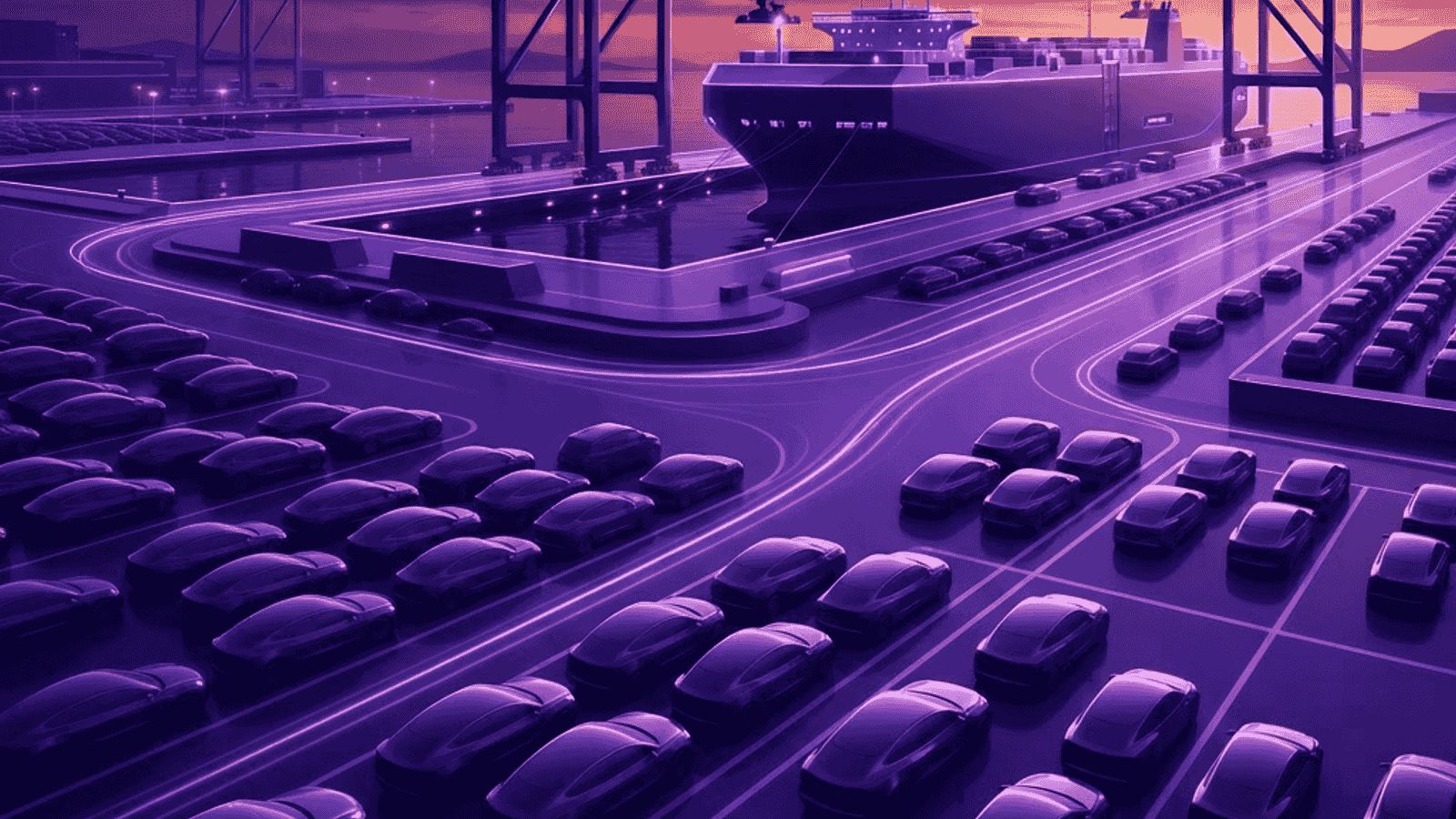
Newark does not host a vehicle assembly plant, yet it is one of the most important automotive locations on the East Coast. The reason is the port. Port Newark and the surrounding marine terminals handle an enormous volume of imported and exported vehicles, making the area a critical gateway for automakers serving the Northeast. Vehicles arrive by ship, pass through processing facilities where accessories are installed and quality inspections occur, and then move to dealerships by truck and rail.
Layered on top of that logistics function is a substantial manufacturing and service economy: component suppliers, commercial vehicle upfitters who convert chassis into work trucks and ambulances, remanufacturers of parts, and specialty fabricators. Together these businesses employ far more people locally than a single assembly plant would.
The Top 10 Automotive Manufacturers and Suppliers in the Newark Area
1. Mercedes-Benz USA Port Operations
Vehicle processing and distribution activity connected to premium importers has long been associated with the New Jersey waterfront. Port processing includes accessory installation, protective coating removal, quality inspection, and staging for dealer delivery, all performed to exacting brand standards.
2. BMW of North America Vehicle Distribution Center
Port-adjacent vehicle distribution centers handle inbound vehicles for the Northeast market, performing pre-delivery preparation and coordinating rail and truck transport. These facilities operate on tight schedules synchronized with vessel arrivals.
3. Volkswagen Group of America Port Facilities
High-volume importers maintain processing operations near the port to prepare vehicles for regional dealer networks. The work combines light manufacturing, inspection, and complex inventory management across thousands of units.
4. Stellantis Parts and Distribution Operations
Parts distribution centers supporting dealer service networks represent a significant automotive presence in northern New Jersey. Rapid parts availability determines how quickly vehicles return to the road, making these facilities essential rather than peripheral.
5. Ford Commercial Vehicle Supply Chain Partners
The commercial vehicle segment is particularly strong regionally, with chassis flowing to upfitters who build out service bodies, refrigerated units, and specialty configurations. Newark's dense contractor and delivery economy generates constant demand for these vehicles.
6. Commercial Truck Upfitters and Body Builders
Businesses that convert bare chassis into utility trucks, box trucks, dump bodies, ambulances, and mobile service units are genuine manufacturers, performing welding, fabrication, electrical integration, and hydraulics work. Their customers are contractors, municipalities, and fleet operators throughout the region.
7. Automotive Component Manufacturers in Northern New Jersey
Suppliers producing fasteners, seals, wiring components, filtration products, and machined parts serve automotive customers across North America from regional facilities. Many are mid-sized specialists with decades of production history.
8. Remanufacturers of Engines, Transmissions, and Components
Remanufacturing is a substantial and environmentally favorable segment, restoring components to specification at lower cost and material impact than new production. Regional remanufacturers serve independent repair shops and fleets across the Northeast.
9. Electric Vehicle Charging and Conversion Companies
Electrification has produced a new class of automotive businesses installing charging infrastructure, integrating fleet charging management, and in some cases converting existing vehicles to electric drivetrains. Port drayage and municipal fleets are early targets for this work.
10. Tire, Glass, and Aftermarket Manufacturing Operations
Aftermarket manufacturers and processors producing tires, glass, accessories, and specialty equipment round out the sector. Their proximity to a massive vehicle population makes distribution efficient and service response fast.
How Vehicles Move Through Newark
An imported vehicle typically follows a defined sequence. It is loaded onto a roll-on roll-off vessel overseas and discharged at a Newark-area terminal. Customs clearance and regulatory compliance verification occur. The vehicle moves to a processing facility where protective wax is removed, accessories are installed, software is updated, and inspection is performed. It is then staged and dispatched by car carrier or loaded onto rail for inland destinations.
Each step involves specialized labor and equipment, and the entire chain is measured in days. Delays at any point ripple through dealer inventory across several states, which is why port efficiency receives so much industry attention.
Electrification and Its Local Consequences
The shift to electric vehicles is reshaping automotive business in Newark in several ways. Charging infrastructure installation has become a major construction and electrical contracting category, requiring transformer upgrades and coordination with the utility. Fleet operators, particularly those running drayage trucks around the port, face regulatory pressure to reduce emissions in neighborhoods that have borne disproportionate pollution burdens.
Service economics are changing too. Electric vehicles need fewer fluid changes but require high-voltage service training, battery diagnostics, and specialized tooling. Independent repair shops that invest early in this capability are positioning for a market that will only expand.
Battery logistics represent an emerging opportunity. Transporting, storing, testing, and eventually recycling large lithium batteries requires facilities with specific safety approvals, and the region's industrial land and port access make it a logical location for such operations.
What Fleet Buyers Should Consider
Organizations purchasing vehicles or upfitting services should evaluate build quality and warranty on the upfit itself, not only the chassis. Ask about weight distribution calculations, electrical load management, compliance certification, and service turnaround. Total cost of ownership including fuel or electricity, maintenance intervals, and resale value matters far more than initial price for a vehicle kept seven years.
Conclusion
Newark's automotive economy runs on logistics, processing, component manufacturing, and vehicle customization rather than assembly lines. The companies and categories above illustrate how a city without a car plant can still be indispensable to the industry. As electrification advances, the businesses best positioned locally will be those combining traditional fabrication skill with new competence in high-voltage systems and charging infrastructure.