
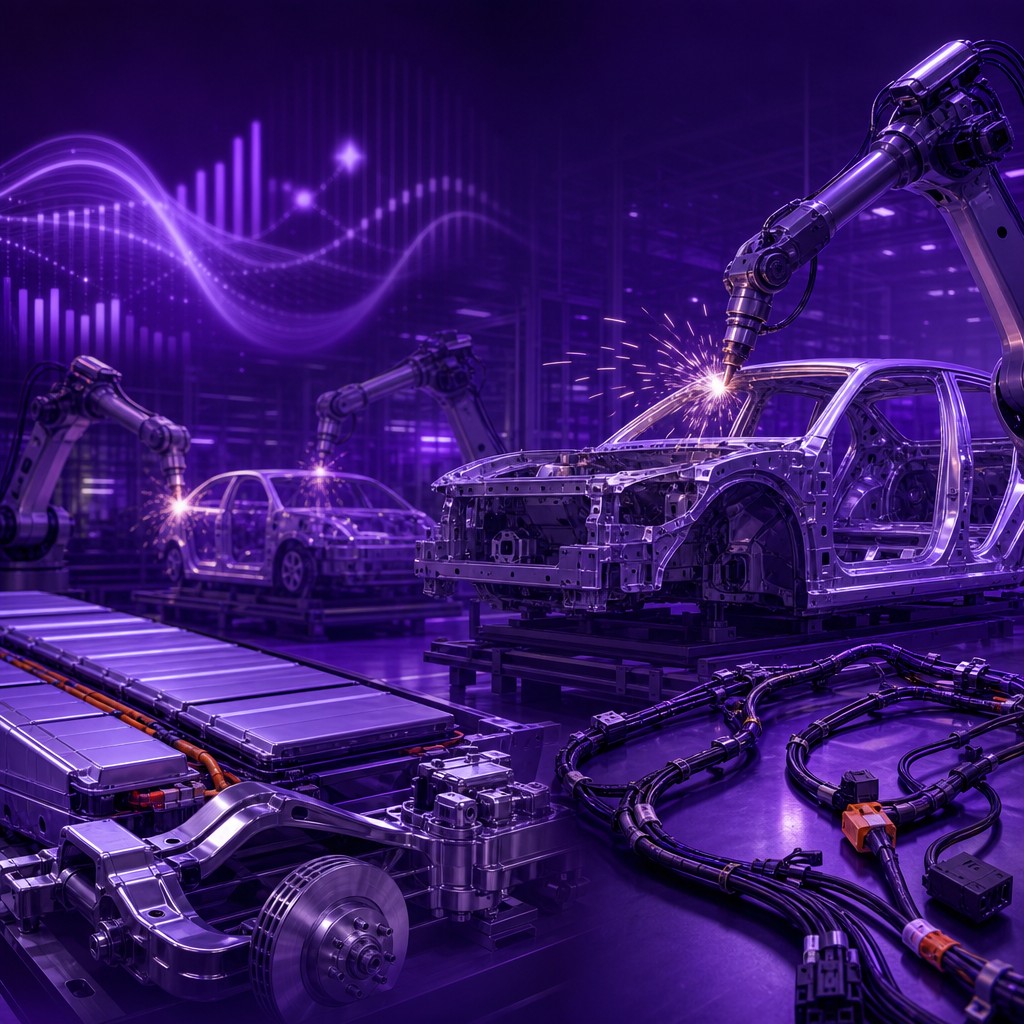
The Automotive Industry in El Salvador
El Salvador does not host large-scale vehicle assembly plants like some larger economies, but it has cultivated a vibrant automotive sector focused on parts manufacturing, bus and truck body building, components, harnesses, and aftermarket products. These companies supply both the domestic transportation market and regional buyers, contributing to industrial diversification and skilled employment. The sector blends traditional metalworking craftsmanship with modern manufacturing, serving a steady demand for vehicle bodies, components, and accessories.
Why Automotive Manufacturing Matters
Transportation is the lifeblood of commerce, and a domestic automotive manufacturing base reduces dependence on imports for bodies, components, and repairs. Building buses and truck bodies locally supports public transit and freight, while component and harness production integrates El Salvador into regional and global supply chains. This activity generates technical jobs, fosters engineering capability, and strengthens the broader metal and electrical manufacturing ecosystem.
The Leading Automotive Manufacturers
Industrias Caricia / metal fabrication groups apply metalworking expertise to vehicle-related components and structures.
Bus and coach body builders construct and customize bodies on imported chassis, supplying public transport operators across the region.
Truck body and trailer fabricators manufacture cargo bodies, flatbeds, and trailers for the freight and logistics industries.
Wiring harness producers assemble electrical harnesses for vehicles, integrating into international automotive supply chains.
Automotive battery manufacturers and assemblers produce and distribute batteries for the regional vehicle fleet.
Seat and upholstery makers supply interior components for buses, trucks, and specialty vehicles.
Brake, suspension, and parts remanufacturers refurbish and produce components that extend vehicle life and support the aftermarket.
Specialty vehicle converters build ambulances, refrigerated units, and custom utility vehicles tailored to client needs.
Metal stamping and machining shops fabricate brackets, frames, and precision parts for automotive applications.
Aftermarket accessory manufacturers produce racks, guards, and add-ons that serve both consumers and commercial fleets.
Technology and Craftsmanship
Automotive manufacturers in El Salvador combine welding, stamping, and fabrication skills with growing adoption of computer-aided design and modern assembly techniques. Quality control, durability testing, and adherence to safety standards are increasingly important as buyers demand reliable, long-lasting products. Investment in better tooling and worker training is steadily raising the sophistication of locally produced automotive goods.
Benefits and Differentiators
The best automotive manufacturers stand out through build quality, durability, customization capability, and dependable delivery. For transit and freight operators, the ability to tailor bodies and components to specific routes and loads is highly valued. Strong after-sales support, spare parts availability, and warranty backing further distinguish leading producers in a market where vehicles must withstand demanding conditions.
Choosing the Right Manufacturer
Buyers should evaluate a manufacturer's experience, build quality, customization options, and reputation for durability. References from existing fleet operators provide valuable insight, as does a visit to production facilities. Reliable lead times, transparent pricing, and responsive support are essential for operators who depend on their vehicles daily.
The Road Ahead
As regional transport demand grows and supply chains regionalize, El Salvador's automotive manufacturers have room to expand their role. Opportunities in harness production, body building, and components could deepen as nearshoring trends continue. The companies profiled here form the backbone of a resilient automotive ecosystem, and their ongoing investment in quality and capability will shape the sector's future trajectory.