
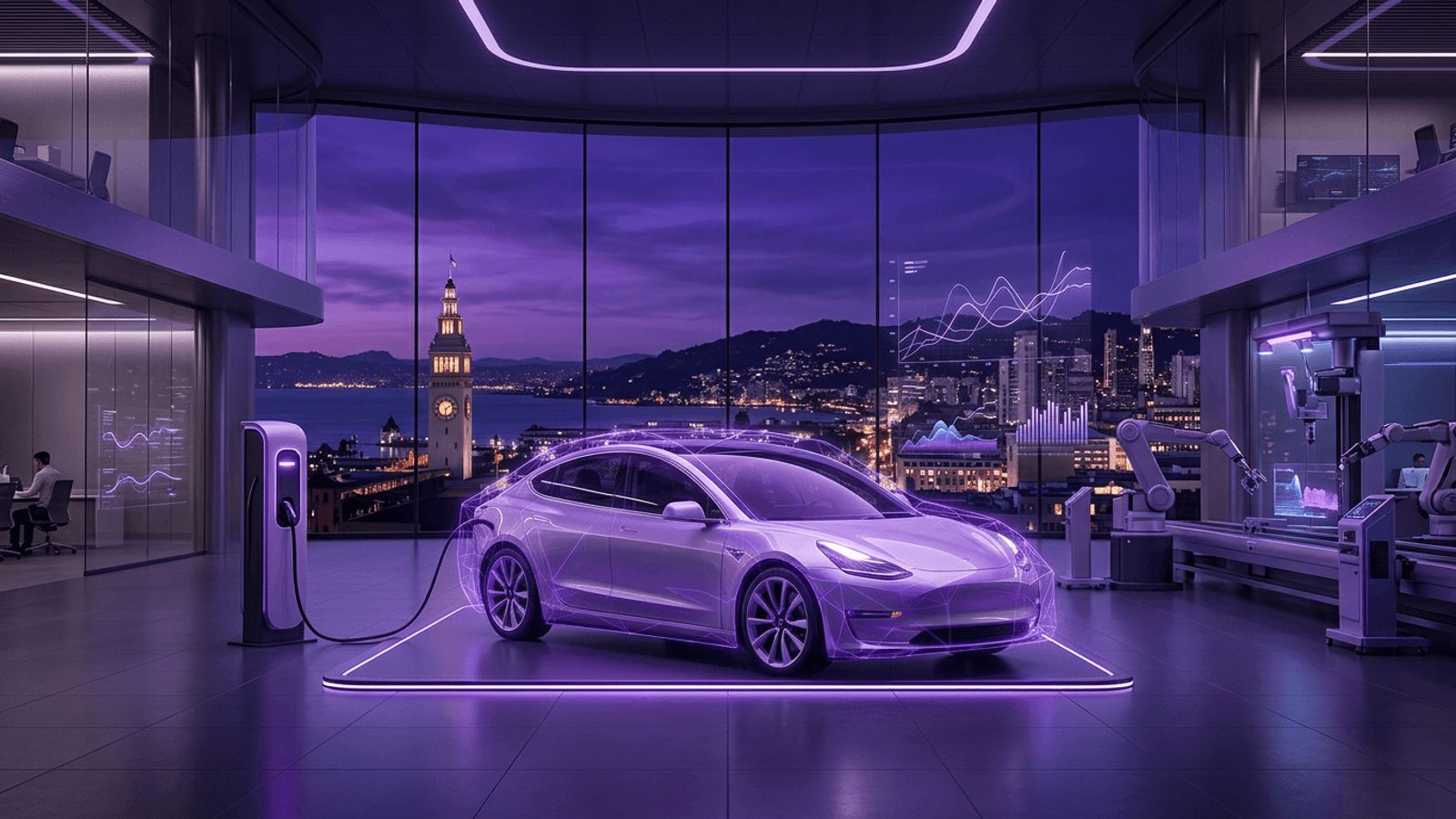
The Future of Mobility Is Being Built Near Berkeley
Berkeley is famous for bike lanes, walkable neighborhoods, and strong public transit, yet it also sits at the center of one of the most dynamic automotive regions on earth. Within an hour's drive you can find electric vehicle factories, autonomous vehicle developers, bus manufacturers, and research labs reimagining what transportation looks like. For Berkeley residents, fleet managers, and businesses, these companies influence the vehicles available locally, the charging infrastructure being built, and the jobs available to engineers and technicians.
This guide reviews ten automotive manufacturers and mobility companies that have a significant impact on Berkeley and the surrounding East Bay. Some build vehicles nearby, while others develop the technology that is transforming how people move.
Why the East Bay Matters for Automotive Innovation
The East Bay offers industrial land, port access through Oakland, and proximity to world-class universities. UC Berkeley's transportation research programs study autonomous systems, traffic safety, and sustainable mobility. Strong state policies supporting zero-emission vehicles have also encouraged manufacturers to invest heavily in California, and Berkeley's own climate goals push residents and businesses toward cleaner vehicles.
The Top 10 Automotive Manufacturers in Berkeley
1. Tesla
Tesla's Fremont factory is one of the most productive automotive plants in North America and a short drive from Berkeley. The company's electric sedans and SUVs are a common sight on local streets, and its Supercharger network and energy products have made it a central player in the region's transition to electric transportation.
2. Lucid Motors
Lucid Motors is headquartered in Newark and designs luxury electric vehicles known for exceptional range and efficiency. Its engineering teams in the Bay Area focus on advanced powertrains, battery systems, and software, and its sedans and SUVs appeal to drivers seeking premium electric performance.
3. Gillig
Gillig is a long-established manufacturer of transit buses, with production in Livermore. Its heavy-duty buses, including battery electric models, serve transit agencies throughout California, and its vehicles help move commuters across the East Bay every day.
4. Zoox
Zoox is developing purpose-built autonomous robotaxis and has production operations in Hayward. Its bidirectional vehicles are designed from the ground up for driverless ride-hailing, and the company has tested extensively in Bay Area urban environments.
5. Rivian
Rivian builds electric adventure trucks, SUVs, and commercial delivery vans. While its main factory is out of state, the company maintains engineering and software operations in the Bay Area. Its delivery vans are increasingly common on East Bay streets as companies electrify their fleets.
6. Zero Motorcycles
Zero Motorcycles, based in Scotts Valley, is a pioneer in electric motorcycles. Its bikes offer instant torque, low maintenance, and quiet operation, making them popular with Bay Area commuters looking for an efficient alternative to gas-powered motorcycles.
7. Motiv Electric Trucks
Motiv builds medium-duty electric trucks for delivery, utility, and municipal fleets. Its vehicles help businesses and public agencies reduce emissions and operating costs, an important consideration for Berkeley organizations committed to sustainability targets.
8. Waymo
Waymo operates a fully autonomous ride-hailing service in parts of the Bay Area. Its integration of sensors, mapping, and artificial intelligence represents one of the most advanced self-driving platforms in the world, and its expansion is shaping discussions about urban mobility across the region.
9. Nuro
Nuro develops autonomous driving technology and has focused on applications such as goods delivery and licensing its self-driving system to automakers. Its Bay Area engineering presence contributes to the region's leadership in autonomy.
10. Toyota Research Institute
Toyota Research Institute, located in Los Altos, conducts research in automated driving, robotics, and materials science. Its work on driver assistance and battery materials influences future vehicles from one of the world's largest automakers.
How to Evaluate Automotive Manufacturers
For individual buyers, evaluate range, charging compatibility, safety ratings, service network, and total cost of ownership. Fleet operators should look at duty cycles, payload, charging infrastructure needs, and available incentives. Businesses seeking partnerships should consider each manufacturer's supply chain, engineering resources, and willingness to collaborate on pilots and custom solutions.
Trends Driving the Industry
Electrification remains the dominant trend, with new models launching across every vehicle class. Autonomous ride-hailing is moving from testing into commercial operation. Software-defined vehicles that receive over-the-air updates are becoming the norm, and battery innovation continues to improve range and reduce costs. For Berkeley, these trends align closely with local goals around air quality and climate action.
Frequently Asked Questions About Vehicles in Berkeley
Is an electric vehicle practical for Berkeley residents without a garage?
It is increasingly practical. Many Berkeley homes and apartments lack private parking, but public charging options continue to expand across the East Bay, including fast chargers near major corridors and Level 2 chargers at shopping centers and workplaces. Renters should also ask property managers about charging access, since California law gives tenants certain rights to request installation of charging equipment at their own expense.
Are there incentives for buying clean vehicles in the area?
Incentives change frequently, but California has historically offered programs for low-income drivers, fleet operators, and businesses replacing older diesel equipment. Utilities and community energy providers sometimes provide rebates on home chargers or reduced electricity rates for overnight charging. Always check current programs before purchasing, because eligibility rules and funding levels are updated regularly.
How are autonomous vehicles affecting the local area?
Driverless ride-hailing services have expanded in parts of the Bay Area, and their presence is prompting discussions about safety, curb space, and public transit. For Berkeley, which prioritizes pedestrians and cyclists, how these vehicles interact with dense neighborhoods and bike routes is a key topic. Regulators continue to monitor performance as services grow.
Final Thoughts
The automotive companies surrounding Berkeley are defining the future of transportation. From electric sedans built in Fremont to autonomous vehicles navigating city streets, the manufacturers on this list give Berkeley residents and businesses front-row access to the next era of mobility.