
The Emerging Automotive Industry in Bangladesh
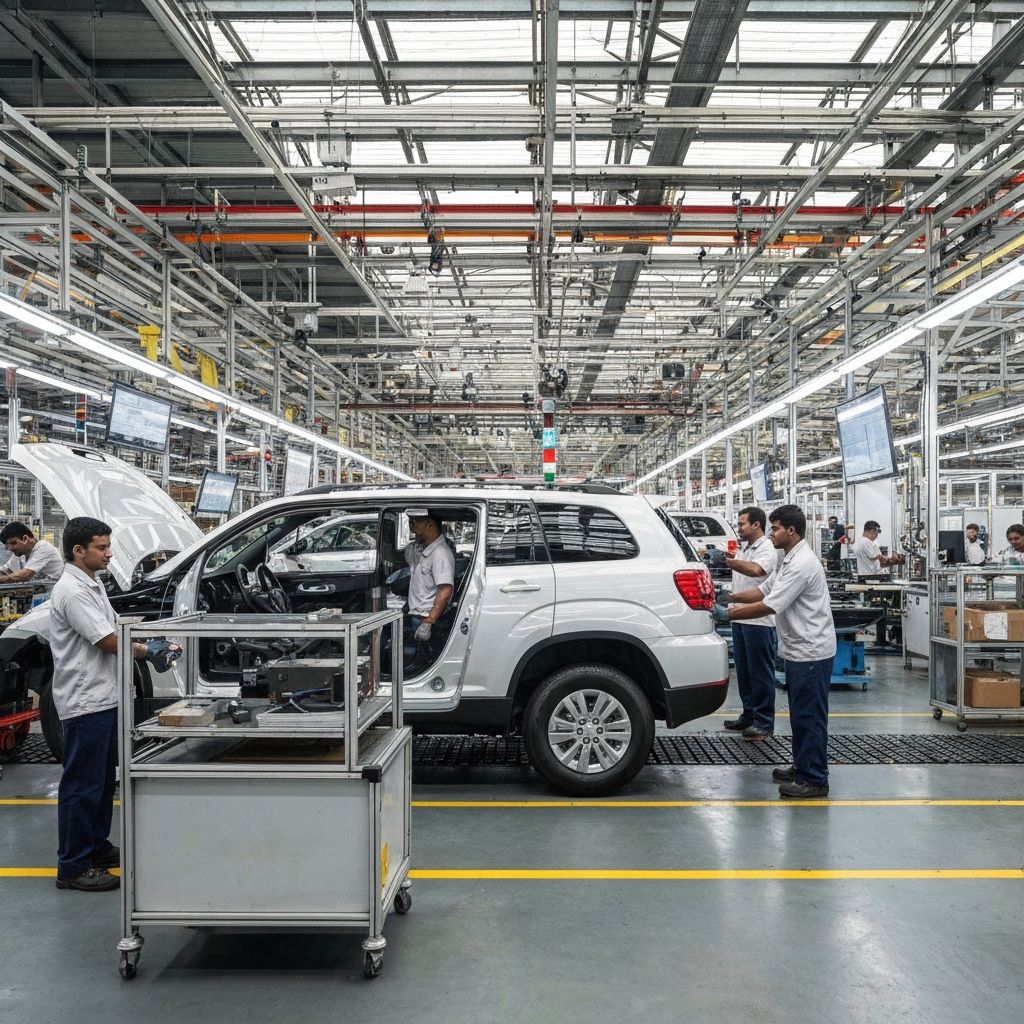
Bangladesh's automotive industry is developing as the country's economy grows and demand for vehicles increases. While full-scale automobile manufacturing is still emerging, several companies have established assembly operations for cars, motorcycles, and three-wheelers. The government's automotive industry policy aims to develop local manufacturing capabilities while meeting growing transportation needs. From two-wheelers that dominate personal transport to commercial vehicles serving businesses, automotive manufacturing represents a significant industrial opportunity for Bangladesh.
Market Dynamics and Growth Potential
Rising incomes, urbanization, and improving road infrastructure are driving demand for vehicles in Bangladesh. Motorcycles have become affordable transportation for millions, while cars increasingly attract the growing middle class. Commercial vehicles support logistics and business operations. The government's policy framework encourages local assembly and progressive manufacturing, creating opportunities for companies willing to invest. Import restrictions and tariff structures also favor local production over fully imported vehicles.
1. Pragoti Industries
Pragoti Industries, a state-owned enterprise, has been involved in automotive assembly in Bangladesh for decades. The company has assembled vehicles under license from various international manufacturers. Their facilities and experience provide a foundation for the country's automotive development. Pragoti's role includes not only commercial production but also supporting government vehicle needs and building domestic capabilities in automotive manufacturing.
2. Walton Motors
Walton has entered the automotive sector with motorcycles and is expanding into electric vehicles. The company leverages its electronics manufacturing expertise to produce vehicles with significant local content. Walton's aggressive pricing and extensive service network have captured substantial motorcycle market share. Their electric vehicle initiatives position them for future mobility trends while supporting Bangladesh's environmental goals.
3. Runner Automobiles
Runner Automobiles is a leading motorcycle manufacturer in Bangladesh, producing a range of two-wheelers for commuting and commercial use. The company's manufacturing facilities have progressively increased local content in their products. Runner's partnership with international motorcycle brands brings technology and designs suited to Bangladeshi roads and preferences. Their dealer and service network ensures customer support across the country.
4. Hero Bangladesh
Hero Bangladesh brings the products of the world's largest motorcycle manufacturer to local consumers. The company assembles Hero motorcycles in Bangladesh, adapting models to local market preferences. Hero's global expertise in motorcycle engineering combines with local manufacturing to offer reliable, fuel-efficient transportation. Their products serve the vast market of Bangladeshis seeking affordable personal mobility.
5. Bajaj Bangladesh
Bajaj Bangladesh assembles motorcycles and three-wheelers that have become ubiquitous on Bangladeshi roads. The company's three-wheelers, known locally as CNGs, provide public transportation in cities and towns nationwide. Their motorcycles serve both personal and commercial transportation needs. Bajaj's products are known for durability and economy, important factors for Bangladeshi consumers and operators.
6. Nitol Motors
Nitol Motors represents multiple international automotive brands in Bangladesh and is involved in vehicle assembly operations. The company's partnerships bring diverse vehicle offerings to the market, from passenger cars to commercial trucks. Their investments in facilities and dealership networks support the automotive market's development. Nitol's experience in the industry makes them an important player in Bangladesh's automotive landscape.
7. IFAD Motors
IFAD Motors assembles commercial vehicles in Bangladesh, serving the growing logistics and transportation sector. The company's trucks and buses support the movement of goods and people across the country. Their manufacturing operations contribute to local job creation and industrial development. IFAD's focus on commercial vehicles addresses a critical need in Bangladesh's expanding economy.
8. PHP Family
PHP Family has interests in automotive assembly, particularly in commercial vehicles. The group's industrial capabilities support vehicle manufacturing operations. Their involvement in the automotive sector reflects the broader trend of Bangladeshi industrial groups entering vehicle production. PHP's resources and experience position them to contribute to automotive manufacturing development.
9. Rancon Motorcycles
Rancon Motorcycles assembles two-wheelers under partnerships with international brands. The company targets motorcycle segments seeking quality and performance features. Their products serve consumers willing to invest in better specification motorcycles. Rancon's technical partnerships ensure access to modern motorcycle designs and technology.
10. Uttara Motors
Uttara Motors has a long history in Bangladesh's automotive sector, representing international brands and engaging in vehicle assembly. The company has contributed to building automotive distribution and service infrastructure. Their experience spans different vehicle categories and market conditions. Uttara's continued involvement supports the development of Bangladesh's automotive industry.
Building a Complete Automotive Industry
Bangladesh's automotive sector faces challenges in developing from assembly to full manufacturing. The industry needs to build capabilities in component manufacturing, engineering, and technology development. Infrastructure improvements, particularly in roads and logistics, will support market growth. Skilled workforce development is essential for manufacturing advancement. Despite these challenges, the combination of growing demand, policy support, and industrial ambition creates conditions for automotive industry development. These companies are laying the groundwork for a sector that could become a significant contributor to Bangladesh's industrial economy.