
Alexandria's Role in Egyptian Vehicle Manufacturing
Egypt's automotive industry is concentrated in a handful of industrial corridors, and Alexandria holds a significant share of it. The combination of port access for imported kits and components, established metalworking and plastics suppliers, and a large pool of skilled technical labour has supported assembly operations and a dense network of component makers.
The sector covers more ground than passenger car assembly alone. Bus and truck body building, trailer manufacturing, specialist vehicle conversion and a broad component supply base all operate within the governorate. For fleet buyers, distributors and industrial customers, that breadth means most requirements can be met locally.
How the Sector Is Structured
At the top sit assemblers, who build complete vehicles from imported kits or from a mix of imported and locally sourced parts. Below them are tier-one component suppliers producing seats, wiring harnesses, exhaust systems, radiators and interior trim. Tier-two suppliers provide the raw stampings, castings, mouldings and fasteners that feed the tier ones.
Alongside this pyramid sits a separate body-building industry, which takes chassis and turns them into buses, refrigerated trucks, tankers and specialist utility vehicles. This segment is particularly strong in Alexandria and serves customers across Egypt and neighbouring markets.
Ten Leading Automotive Manufacturers in Alexandria
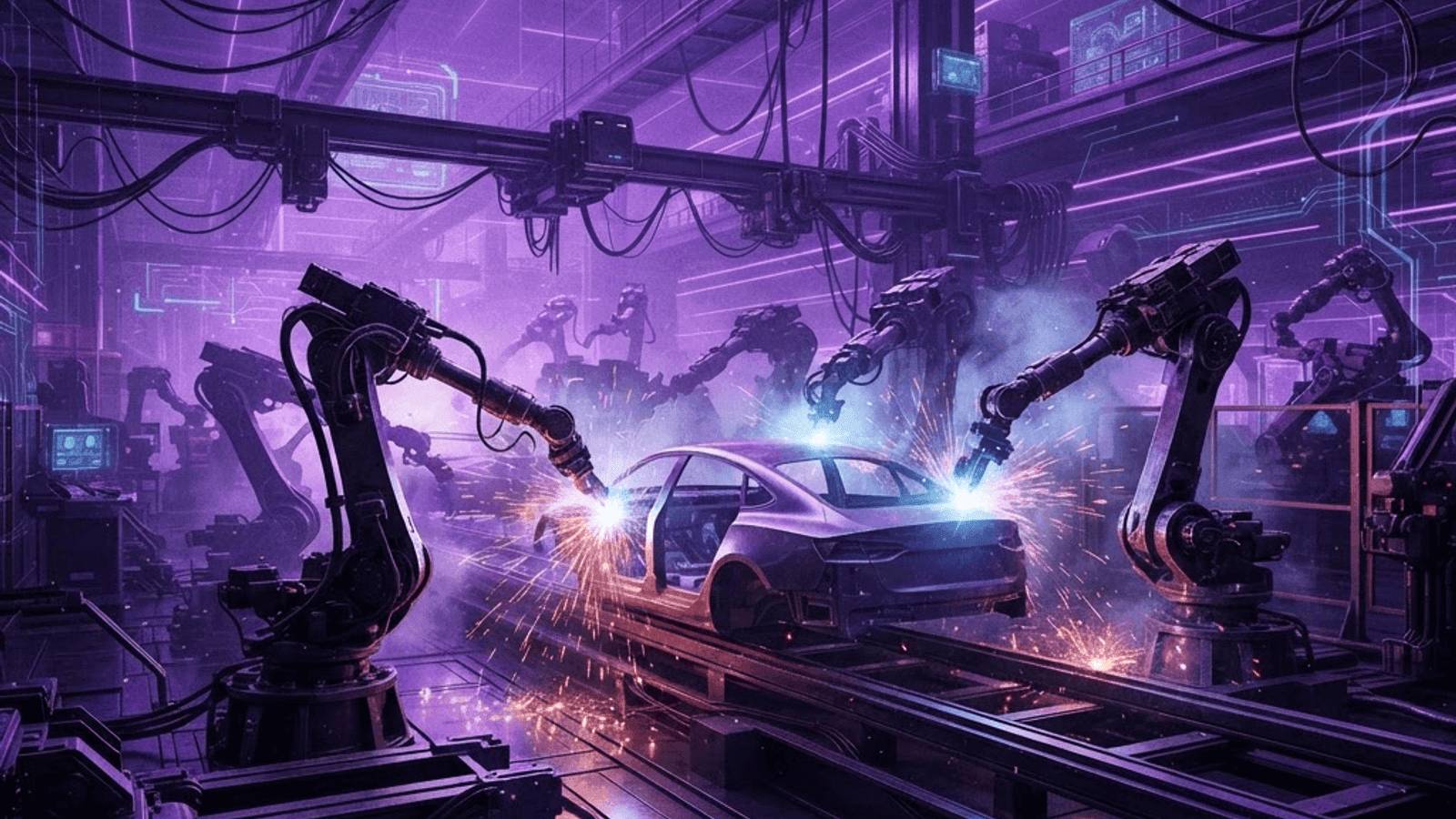
1. Delta Motors Egypt assembles passenger vehicles and light commercial models, operating body, paint and final assembly lines. Its investment in robotic welding and a modern paint facility has lifted build quality to a level that supports export as well as domestic sales.
2. Mediterranean Bus Works builds bus and coach bodies on imported chassis, serving public transport operators, tourism companies and corporate fleets. Its structural engineering and rollover compliance work distinguish it from smaller workshops in the same segment.
3. Alexandria Auto Components is a tier-one supplier producing exhaust systems, fuel tanks and pressed metal assemblies. Its tooling capability allows it to develop new parts quickly when an assembler introduces a model change.
4. Pharos Trailer Industries manufactures semi-trailers, tippers and tankers for the logistics sector. Given the weight and durability demands of Egyptian road freight, the company's welding standards and axle specification advice are frequently cited by fleet operators.
5. Nile Automotive Interiors produces seating, door trim and headliners. It handles foam moulding, fabric cutting and sewing in house, which gives it control over both fit and finish.
6. Horus Wiring Systems supplies vehicle wiring harnesses, an increasingly complex product as electronic content in vehicles grows. Its testing regime checks every circuit before shipment, which matters because a harness fault discovered on an assembly line is extremely expensive.
7. Amun Radiator and Cooling manufactures radiators, intercoolers and cooling modules for passenger and commercial vehicles. Thermal performance testing on site allows it to validate designs rather than rely on supplier claims.
8. Coastal Vehicle Conversions specialises in refrigerated bodies, ambulances and municipal service vehicles, integrating refrigeration units, medical equipment and hydraulic systems onto standard chassis.
9. Ramses Castings and Forgings operates upstream, producing brake components, hubs and structural castings for the automotive supply chain. Its metallurgical laboratory supports the material certification that safety-critical parts require.
10. Sidi Kerir Motor Parts completes the list as a producer of suspension components, bushings and rubber-to-metal bonded parts serving both original equipment and aftermarket channels.
Trends Driving the Industry Forward
Local content requirements have pushed assemblers to source a greater share of parts domestically, which has directly benefited Alexandria's component base. Suppliers able to meet original equipment quality standards have seen order books expand substantially.
Electrification is beginning to register. While battery electric passenger vehicles remain a small share of the market, electric buses and commercial vehicles have attracted genuine interest from transport operators, and several local body builders are adapting to work with high-voltage systems.
The third trend is quality systems. Automotive-specific quality management certification, once rare among smaller Egyptian suppliers, has become a practical prerequisite for supplying assemblers. Firms that have made that investment now compete for work that was previously imported.
Selecting the Right Manufacturer
Define whether you need original equipment quality or aftermarket grade, as the price and process differences are substantial. Ask for material certificates, dimensional inspection reports and process capability data rather than accepting general assurances.
For body building and conversion work, inspect completed units in service rather than showroom examples. Corrosion around welds, door alignment after a year of use and the condition of electrical routing tell you far more than a factory tour.
Finally, assess capacity honestly against your requirement. Alexandria's automotive manufacturers range from substantial industrial operations to focused workshops, and the best outcome comes from matching the scale of the supplier to the scale and criticality of the order.
What the Future Holds for Alexandria's Automotive Sector
The direction of travel for the sector is toward deeper localisation and higher technical content. As assemblers increase the proportion of domestically sourced parts, Alexandria's component makers are being pulled upward in capability, investing in measurement equipment, process control and quality documentation that were previously found only in export-oriented plants.
Commercial vehicles and public transport represent the clearest near-term opportunity. Fleet renewal programmes, growing logistics volumes through the port and continued urban expansion all sustain demand for buses, trucks, trailers and specialist bodies, categories where local builders already compete effectively against imports on both price and adaptability to Egyptian operating conditions.
For buyers, the key advice is to engage early. Involving a manufacturer during design rather than after it allows them to suggest changes that reduce cost and improve manufacturability, and in Alexandria's automotive cluster that collaborative approach consistently produces better vehicles and components than an arm's-length purchasing relationship does.