
Why Repair Shop Selection Matters More Than Ever
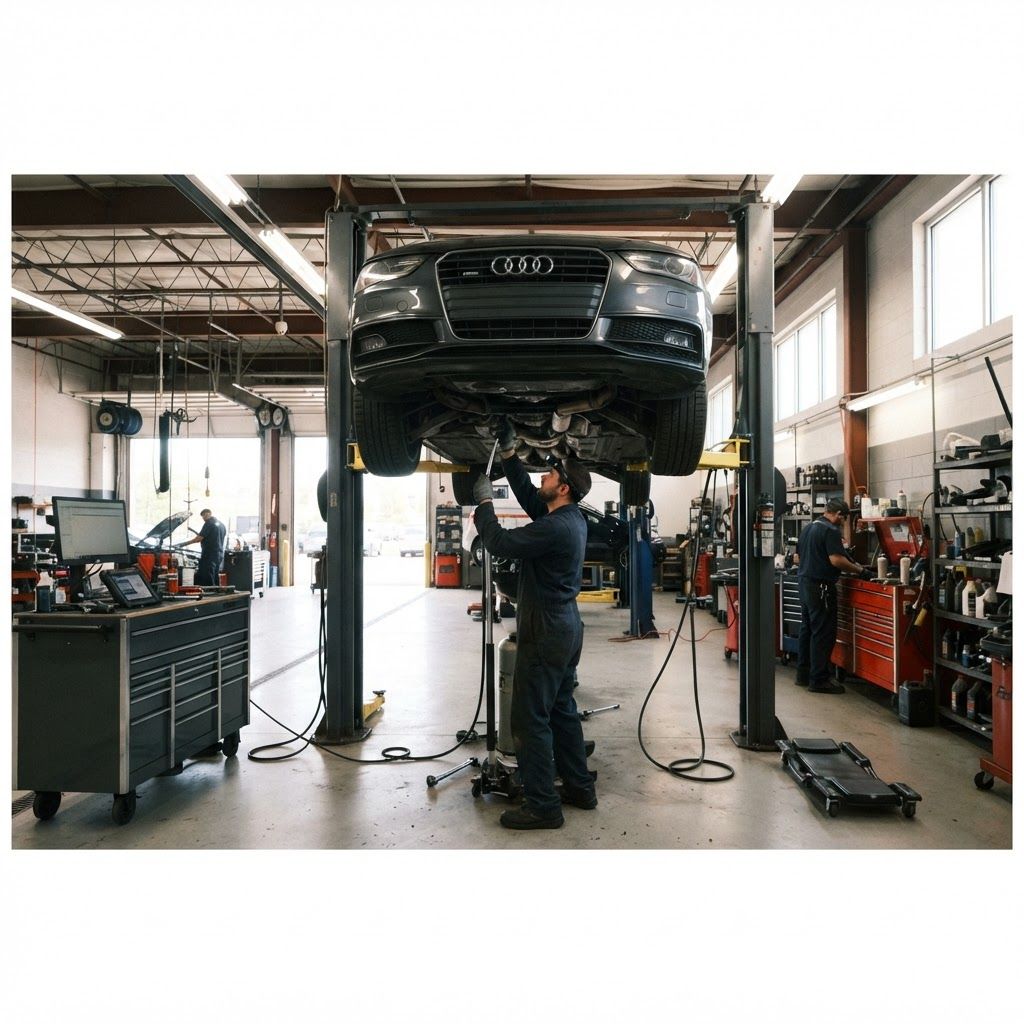
Modern vehicles are rolling computer networks. A mid-range sedan built in the last few years contains dozens of electronic control units, driver assistance sensors that require calibration after routine work, and powertrain systems that cannot be diagnosed without manufacturer-level scan tools. In St. Louis, where daily driving includes pothole-heavy city streets, heavy interstate commuting and winter road treatment, that complexity meets genuinely demanding conditions.
The consequence is that the gap between a competent independent shop and an underequipped one has widened. Shops that invest in diagnostic equipment, continuing technician education and manufacturer service information deliver dramatically better outcomes than those relying on generic code readers and guesswork. Fortunately, the metro area has a strong population of well-run independent shops alongside capable dealer service departments and national chains.
Ten Strong Auto Repair Options in the St. Louis Area
1. Christian Brothers Automotive operates locations across the metro area and has built a reputation on clear communication, digital inspection reports with photos, and nationwide warranty coverage on repairs. The transparency of its estimating process is a meaningful differentiator for customers wary of vague diagnoses.
2. Dobbs Tire and Auto Centers is a long-established regional chain with deep roots in St. Louis. Beyond tires, its shops handle brakes, alignment, suspension and general maintenance, and the density of locations makes scheduling convenient across the metro.
3. Lou Fusz and Bommarito dealer service departments deserve consideration for warranty work, recalls, advanced driver assistance calibration and brand-specific electronic diagnosis. When a problem requires factory tooling or software updates, dealer service is often the fastest route to a correct repair.
4. Midas locations in the region provide accessible, predictable service for exhaust, brakes, suspension and routine maintenance, with standardized pricing that helps customers understand costs before authorizing work.
5. Firestone Complete Auto Care combines tire expertise with general repair capability and national warranty support, which is valuable for drivers who travel frequently outside the metro area.
6. Meineke Car Care Centers serve St. Louis with broad general repair coverage and are commonly used for brake, exhaust and cooling system work at moderate cost.
7. Independent ASE-certified neighborhood shops across South City, Maplewood, Webster Groves, Kirkwood and St. Charles form the backbone of quality repair in the region. Many are family-operated with technicians holding ASE Master certification, and their labor rates typically undercut dealer pricing while matching or exceeding diagnostic quality on out-of-warranty vehicles.
8. European specialty shops in the metro area focus on German and other imported vehicles. Owners of these vehicles benefit substantially from a shop that stocks brand-specific tooling, knows common failure patterns and does not treat each repair as an unfamiliar problem.
9. Hybrid and electric vehicle specialists have emerged as the regional fleet electrifies. High-voltage battery service, inverter diagnosis and thermal management work require specific certification and safety equipment, and a growing number of St. Louis shops now hold those credentials.
10. Fleet and diesel service providers support the region's commercial vehicles, contractors and truck owners. These shops handle heavier duty cycles, emissions system work and preventive maintenance programs that keep working vehicles available.
How to Evaluate a Shop Before You Need One
Verify ASE certification and ask which technicians hold it. Confirm the shop provides written estimates and obtains authorization before additional work. Ask about the parts and labor warranty in specific terms, including duration and mileage. Inquire whether the shop performs advanced driver assistance system calibration in house or subcontracts it, since improperly calibrated cameras and radar create real safety risk.
Pay attention to diagnostic policy. Reputable shops charge for diagnostic time and explain their findings, because accurate diagnosis is skilled work. Shops that promise free diagnosis often recover that cost through unnecessary parts replacement. Request that replaced parts be shown or returned, and ask for photographs of the failure when a component is not accessible.
Regional Conditions That Drive Repairs
Several categories of work are unusually common in St. Louis. Suspension and steering components wear early because of pavement condition, so control arm bushings, struts, tie rods and wheel bearings appear frequently. Alignment should be checked more often than manufacturer intervals suggest. Winter road salt accelerates brake line, exhaust and undercarriage corrosion, making annual undercarriage inspection worthwhile. Summer humidity and heat stress cooling systems and batteries, and air conditioning service demand peaks sharply in July.
Controlling Long-Term Ownership Costs
Preventive maintenance remains the highest-return spending in vehicle ownership. Follow the severe-duty service schedule rather than the normal one if your driving involves short trips, stop-and-go traffic or towing, all common locally. Address fluid services on time, replace serpentine belts and cooling components before failure, and treat small leaks as early warnings rather than nuisances. Keeping organized service records also protects resale value, which matters in a market where used vehicle prices remain strong.
Building the Relationship
The most valuable outcome is a long-term relationship with one shop that knows your vehicle's history. Start with routine maintenance rather than a major repair, evaluate communication and timeliness on low-stakes work, and escalate from there. A shop that explains what can wait is more trustworthy than one that recommends everything at once.
Conclusion
St. Louis drivers have excellent options spanning regional chains, dealer service departments, certified independents and emerging electric vehicle specialists. Choose based on certification, diagnostic capability, warranty terms and communication quality, then invest in preventive maintenance suited to local road and weather conditions. That combination reliably produces lower costs and fewer breakdowns than chasing the cheapest quote for each individual repair.