
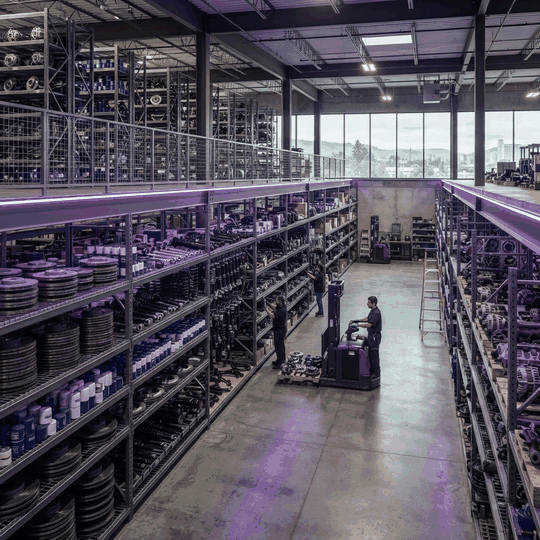
Why Auto Parts Wholesalers Matter in Portland
Portland's mix of commuters, commercial fleets, and outdoor enthusiasts creates steady demand for automotive components, and auto parts wholesalers are the backbone of that supply chain. Repair shops, dealerships, and retailers rely on distributors to deliver the right parts quickly and accurately. In an industry where downtime is costly, wholesaler reliability directly affects a shop's profitability and reputation.
The city's varied climate and terrain also influence demand, driving interest in brakes, filtration, suspension, and weather-related components. Wholesalers who understand these local needs and stock accordingly become indispensable partners.
Key Qualities of a Top Auto Parts Wholesaler
Speed and accuracy define excellence in this sector. Mechanics need the correct part on the first attempt, so wholesalers with robust catalogs, precise cataloging systems, and same-day or next-day delivery earn strong loyalty. Deep inventory across both common and hard-to-find components reduces the frustration of backorders.
Quality assurance is equally important. Leading wholesalers stock reputable OEM and aftermarket brands, clearly distinguish part grades, and stand behind warranties. Knowledgeable support staff who can help identify the right component add tremendous value, especially for complex repairs.
Leading Auto Parts Wholesalers Serving Portland
Several distributors have built strong reputations locally. Rose City Auto Parts Wholesale is known for its extensive catalog and fast delivery, serving independent shops and fleets alike. Cascade Automotive Supply specializes in both domestic and import parts, offering broad coverage for diverse vehicle types.
Willamette Parts Distributors focuses on performance and aftermarket components, appealing to enthusiast-oriented shops, while Bridgetown Auto Wholesale serves high-volume repair centers with reliable restocking. Columbia Fleet Parts Supply caters to commercial and fleet operators needing heavy-duty components.
Additional standouts include Northwest Brake & Suspension, a specialist in undercar parts; Stumptown Auto Distributors, praised for balanced pricing and selection; and Hawthorne Import Parts, favored for European and Asian vehicle components. Powell Street Automotive Wholesale offers strong value on maintenance essentials, and Pearl District Parts Supply rounds out the list with dependable service for urban repair shops.
Trends Shaping the Auto Parts Industry
The growing presence of hybrid and electric vehicles is reshaping demand, prompting wholesalers to expand inventories of specialized components and diagnostic tools. Technicians increasingly require access to parts for advanced driver-assistance systems and electrified drivetrains, raising the bar for supplier expertise.
Digital cataloging and real-time inventory visibility have also transformed the sector. Shops now expect online ordering, VIN-based part lookup, and accurate availability data. Wholesalers investing in these technologies streamline operations and reduce ordering errors, strengthening client relationships.
Selecting the Right Auto Parts Wholesale Partner
Portland shops should evaluate inventory depth, delivery speed, brand quality, and support when choosing a wholesaler. Confirming warranty coverage, return processes, and cataloging accuracy helps avoid costly mistakes. A distributor with knowledgeable staff and dependable logistics becomes a true extension of the shop.
In a competitive repair market, the right auto parts wholesaler keeps jobs moving and customers satisfied. By partnering with distributors who combine deep inventory, fast delivery, and technical expertise, Portland shops can maximize efficiency and build lasting trust with their clientele.
Practical Steps Before Opening an Account
Before placing a first order, create a concise purchasing brief that lists required specifications, acceptable substitutions, target margins, delivery frequency, and expected monthly volume. Share it with shortlisted suppliers and compare their answers on equal terms. Ask for samples or a small trial order whenever possible. This provides a realistic view of product consistency, packing standards, invoicing accuracy, and communication without exposing the business to unnecessary risk.
References from similar Portland businesses can reveal how a supplier performs during busy periods, not merely when courting a new account. Buyers should also review minimum-order requirements, payment terms, damage or return procedures, fuel surcharges, and policies for shortages. Written expectations protect both parties. If sustainability matters to customers, request meaningful evidence about sourcing, packaging, waste reduction, or third-party certifications rather than relying on broad claims.
Planning for Portland Logistics and Seasonality
Portland's location offers access to Interstate 5, regional rail, air freight, and marine shipping, but congestion, winter weather, wildfire disruptions, and seasonal demand can still affect delivery. Strong buyers plan reorder points around realistic lead times and keep sensible safety stock for indispensable items. At the same time, carrying too much inventory ties up cash and increases the chance of damage or obsolescence. A simple inventory review each month helps balance availability with financial discipline.
Seasonality deserves particular attention in the Pacific Northwest. Tourism, holidays, school calendars, construction cycles, harvest windows, and wet-weather demand can create sharp changes in purchasing patterns. Sharing forecasts with a wholesale partner allows that supplier to reserve stock and schedule transport more effectively. Quarterly business reviews are useful for discussing fill rates, returns, upcoming promotions, and opportunities to consolidate deliveries.
Building a Productive Long-Term Relationship
The best wholesale arrangements are collaborative rather than purely transactional. Designate one person to manage communication, document recurring issues, and monitor useful measures such as on-time delivery, order accuracy, defect rate, and response time. Give suppliers prompt, specific feedback and pay according to agreed terms. In return, expect transparency about shortages, price changes, and substitute products.
It is prudent to maintain a qualified backup source for critical goods, yet constantly switching vendors for a minor price difference can undermine service and continuity. Total value includes dependable availability, reduced administrative effort, knowledgeable support, and fewer customer complaints. Portland businesses that combine careful comparison with respectful partnership are better positioned to secure favorable terms, adapt to market changes, and build a supply chain that supports sustainable growth.