
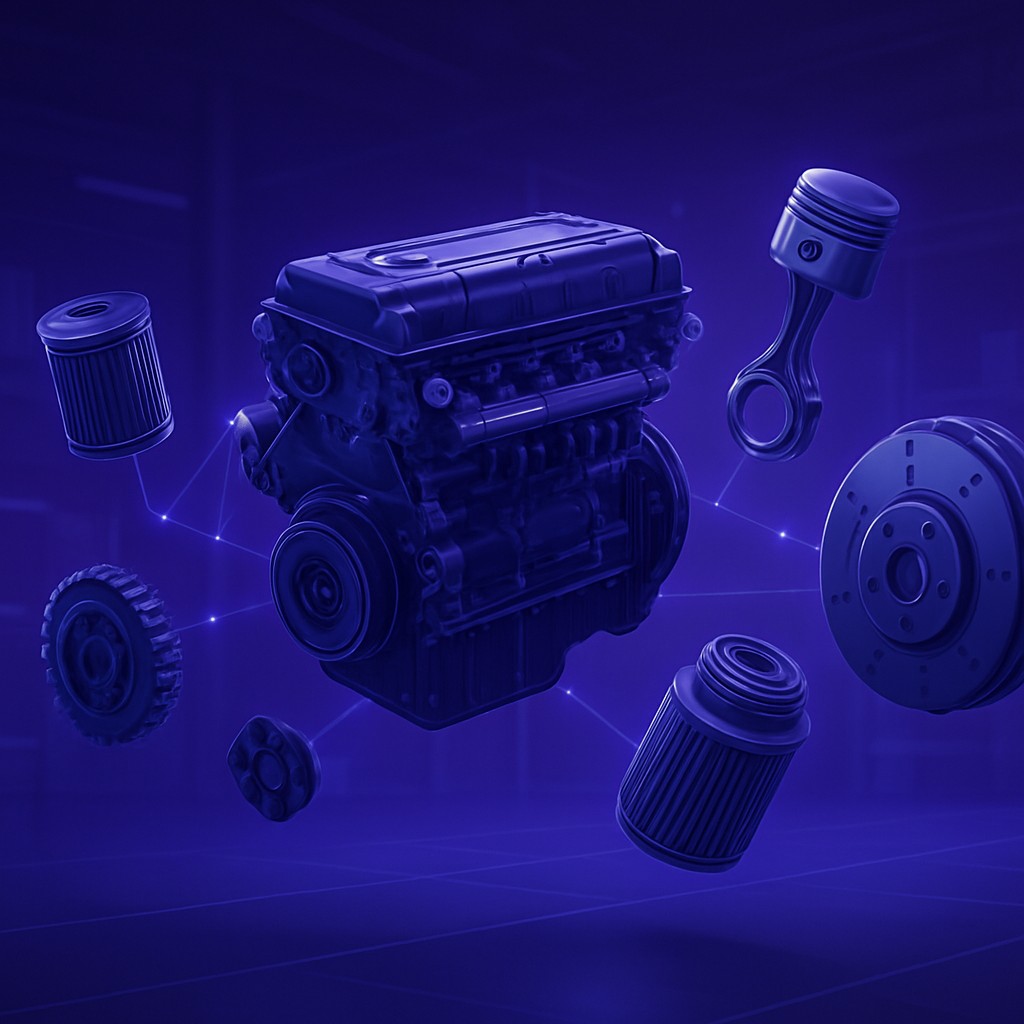
Introduction to Syria's Auto Parts Market
The automotive sector in Syria has long relied on a resilient network of auto parts suppliers who keep the country's vehicles running through changing economic conditions. With a vehicle fleet dominated by European, Japanese, and Korean models, demand for both genuine and high-quality aftermarket components remains consistently strong. Suppliers in cities like Damascus, Aleppo, Homs, and Latakia have built reputations on availability, authenticity, and technical knowledge.
Choosing the right supplier is about more than price. Reliability of stock, accuracy of part identification, and the ability to source hard-to-find components for older or imported vehicles all matter to mechanics and car owners alike. This guide highlights ten of the most respected auto parts suppliers in Syria and explains what distinguishes each one.
What to Look for in an Auto Parts Supplier
Before exploring the top names, it helps to understand the qualities that define a trustworthy supplier. Genuine sourcing is paramount, since counterfeit components can compromise safety and performance. Strong suppliers maintain relationships with recognized manufacturers and clearly distinguish between original equipment, certified aftermarket, and economy alternatives.
Inventory depth is equally important. The best suppliers stock fast-moving items such as filters, brake pads, and belts while also being able to order specialized parts quickly. Knowledgeable staff who can decode chassis numbers and cross-reference catalogs add tremendous value, especially in a market with a diverse mix of vehicle ages and origins.
The Top 10 Auto Parts Suppliers
1. Damascus Auto Parts Center is widely regarded for its expansive inventory covering European and Asian brands. The company is known for accurate part matching and a reputation for stocking genuine components, making it a first stop for many independent garages.
2. Aleppo Spare Parts House serves the northern region with a focus on commercial vehicle and truck components. Its strength lies in supplying heavy-duty parts for transport fleets, supported by staff who understand the demands of long-haul operators.
3. Al Sham Automotive Supplies has earned trust for its balance of affordability and quality, offering certified aftermarket parts that suit budget-conscious customers without sacrificing reliability.
4. Homs Motor Parts specializes in suspension, steering, and braking systems. The supplier is appreciated for its technical guidance and willingness to source rare components for older models still common on Syrian roads.
5. Latakia Coastal Auto Parts benefits from its proximity to port logistics, often receiving imported shipments quickly. This gives the supplier an edge in availability for European brands.
6. Golden Gear Trading focuses on Japanese and Korean vehicles, maintaining strong relationships with regional distributors. Customers value its consistent stock of filters, electrical parts, and engine components.
7. Unity Auto Components distinguishes itself with an organized catalog system and fast order turnaround, appealing to professional workshops that need dependable restocking.
8. Syrian Wheel and Tire Supply combines parts distribution with a dedicated focus on wheels, tires, and related accessories, serving both retail customers and fleet operators.
9. Phoenix Parts Distribution is recognized for sourcing hard-to-find electronic modules and sensors, an increasingly important niche as vehicles grow more computerized.
10. Orient Spare Parts rounds out the list with a broad mix of genuine and aftermarket components and a reputation for honest advice, helping customers avoid unnecessary replacements.
Industry Trends Shaping the Market
Syria's auto parts industry is gradually adapting to global trends, including the growing complexity of modern vehicles. Electronic control units, sensors, and hybrid components require suppliers to expand their expertise beyond traditional mechanical parts. Suppliers who invest in technical training and diagnostic knowledge are positioning themselves as long-term partners for workshops.
Supply chain resilience also defines the sector. Experienced suppliers have developed flexible sourcing strategies, drawing on regional distribution hubs and maintaining buffer stock of essential items. This adaptability ensures that even during periods of disruption, critical components remain accessible.
Tips for Choosing the Right Supplier
When selecting a supplier, verify the authenticity of parts by asking about sourcing and warranties. Build a relationship with suppliers who take the time to confirm fitment using your vehicle's identification details. For specialized or older vehicles, prioritize suppliers known for cross-referencing and patient research.
Consider location and logistics as well. A supplier with reliable import access can dramatically reduce waiting times for components that are not produced locally. Finally, value the quality of advice as much as the inventory; a knowledgeable supplier can save you money by recommending the correct repair rather than the most expensive one.
Conclusion
Syria's auto parts suppliers form the backbone of the country's automotive maintenance ecosystem. The ten businesses highlighted here represent a blend of authenticity, expertise, and dependable service that keeps vehicles safely on the road. By understanding what distinguishes a quality supplier and matching your needs to their strengths, you can ensure that every repair is supported by reliable components and trustworthy guidance.