
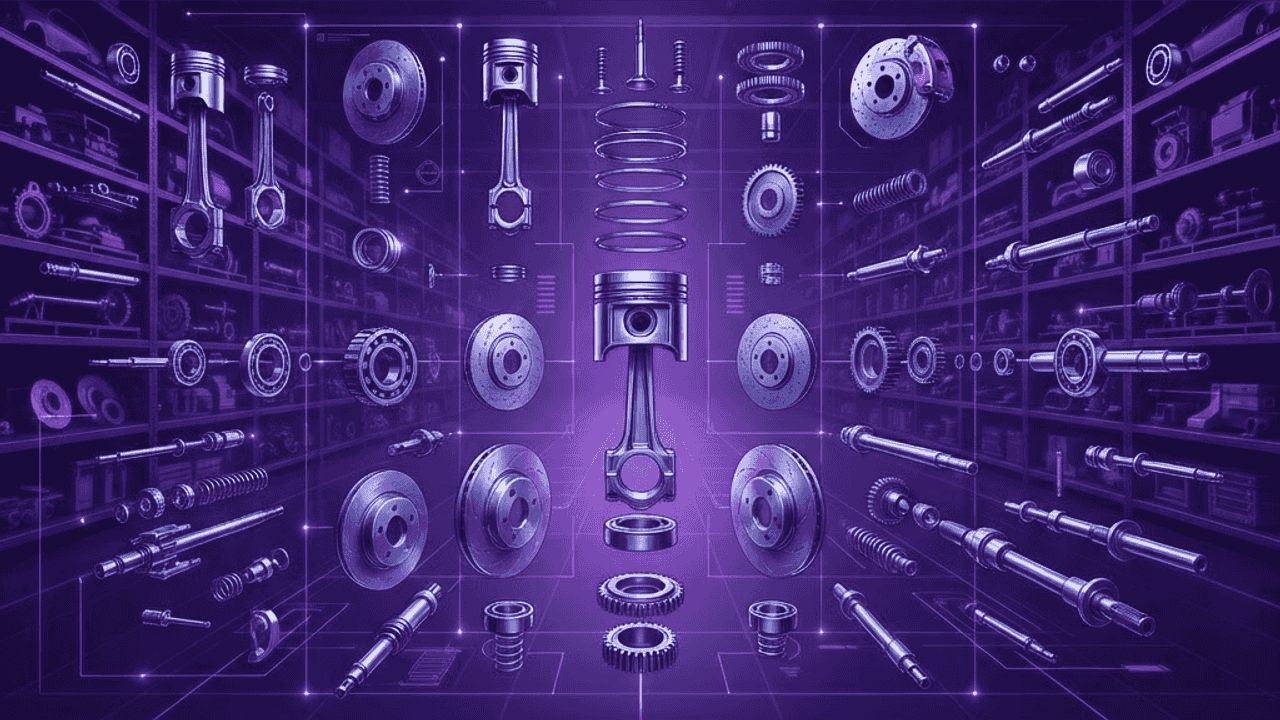
Why Parts Sourcing Matters in Northern Nevada
Reno sits at an unusual crossroads for vehicle wear. Summer surface temperatures on Interstate 80 punish cooling systems and rubber components, while winter runs over the Mount Rose Highway and Donner Pass expose brakes, batteries, and suspension to freeze-thaw cycles within the same week. The result is a local market where auto parts suppliers must stock both high-desert consumables and cold-weather hardware year round. For drivers and independent repair shops alike, the quality of the parts counter often determines whether a repair lasts a season or a decade.
Reno's status as a Western distribution hub works in the buyer's favor. Because so many regional warehouses feed the Reno-Sparks industrial corridor, local branches frequently carry deeper inventory than comparable stores in cities of similar size, and same-day transfers between locations are common.
The Ten Suppliers Reno Drivers Trust
1. NAPA Auto Parts remains the benchmark for professional-grade inventory in the region. Its strength is breadth across older platforms, meaning owners of 1990s and 2000s trucks can still find brake hardware, sensors, and gaskets without a special order. Commercial delivery programs make it a mainstay for independent garages.
2. O'Reilly Auto Parts operates one of the densest footprints across Reno and Sparks, and it is known for counter staff willing to run diagnostics on batteries, alternators, and starters before selling a replacement. Its loaner tool program is particularly valuable for one-off jobs like pulling a hub assembly.
3. AutoZone earns its place through availability and convenience. Extended hours, free code scanning, and a straightforward warranty structure make it a practical first stop for maintenance parts, filters, wipers, and batteries when a vehicle needs to be back on the road the same afternoon.
4. Advance Auto Parts competes on catalog depth and online-to-store fulfillment. For owners tackling weekend projects, the ability to confirm fitment digitally and collect the part locally reduces the risk of a mismatched order, always a concern with model-year splits.
5. Champion Chevrolet Parts Department represents the dealership side of the market. Genuine GM components matter most for electronics, body panels, and emissions hardware, where aftermarket tolerances can create calibration headaches. Reno has a large fleet of domestic trucks, and dealer counters serve them well.
6. Reno Toyota and Lithia-affiliated parts counters serve the substantial import population in Washoe County. Owners of high-mileage Toyota, Honda, and Subaru vehicles often find that original equipment sensors and timing components outlast budget alternatives by a wide margin.
7. Sierra Auto Parts and local independent yards fill the recycled and hard-to-find category. For discontinued trim pieces, mirrors, seats, and interior hardware, salvage inventory is frequently the only realistic path, and it is considerably kinder to a repair budget.
8. Reno Truck and Diesel parts specialists support the commercial vehicles that move freight through the region. Heavy-duty filtration, air brake components, and diesel injection parts require specialist knowledge that general retail counters rarely match.
9. Performance and off-road outfitters throughout the Reno-Sparks area cater to the region's strong overland and desert racing culture. Suspension kits, skid plates, recovery gear, and upgraded cooling components are staples for drivers heading into the Black Rock Desert or up Forest Service roads.
10. Regional online distributors with Reno fulfillment round out the list. For non-urgent maintenance, catalog retailers offer pricing advantages, and Reno's proximity to Nevada distribution centers means delivery windows are often shorter than the national average.
How to Judge a Parts Supplier
Price is the least reliable indicator of value at a parts counter. A better test is whether staff ask clarifying questions. Engine code, build date, submodel, and drivetrain configuration all change fitment, and a counter that skips those questions will eventually hand over the wrong component. Warranty terms deserve equal scrutiny, particularly on wear items such as alternators, water pumps, and wheel bearings, where lifetime coverage can offset a higher initial price after a single failure.
Availability of core exchange programs also matters. Many rebuilt components carry a core charge that is refunded when the original unit is returned, and suppliers who process cores efficiently save both time and money.
Industry Trends Shaping the Market
Two shifts are reshaping parts retail in Reno. The first is vehicle electrification. As hybrid and battery-electric vehicles enter the used market, demand is growing for high-voltage service components, specialized coolant, and cabin thermal management parts. Suppliers investing in technician training and diagnostic equipment for these platforms are positioning themselves well.
The second is the increasing electronic complexity of conventional vehicles. Advanced driver assistance systems mean that replacing a windshield, bumper cover, or mirror can require sensor recalibration. Suppliers who understand which parts trigger calibration requirements save their customers repeat visits.
Practical Sourcing Advice
Bring the vehicle identification number to the counter rather than relying on year and model alone. Photograph the failed component before removal, especially connectors and bracket orientation. When comparing options, ask whether the part is original equipment, an original equipment supplier's branded version, or an economy line, because the three often share a shelf but not a service life.
For safety-critical systems such as brakes, steering, and cooling, the case for quality parts is strongest. Reno's grades and temperature swings expose marginal components quickly, and the cost difference between an economy rotor and a well-engineered one is negligible next to a failure on the descent into the Truckee Meadows.
Final Thoughts
Reno's auto parts landscape is unusually well supplied for a city of its size, blending national retail reach, dealership precision, salvage resourcefulness, and specialist depth. Choosing the right supplier depends on the job: routine maintenance rewards convenience, complex electronics reward dealer accuracy, and restoration work rewards patience with independent yards. Drivers who build relationships with two or three counters generally get the best combination of price, accuracy, and speed.