
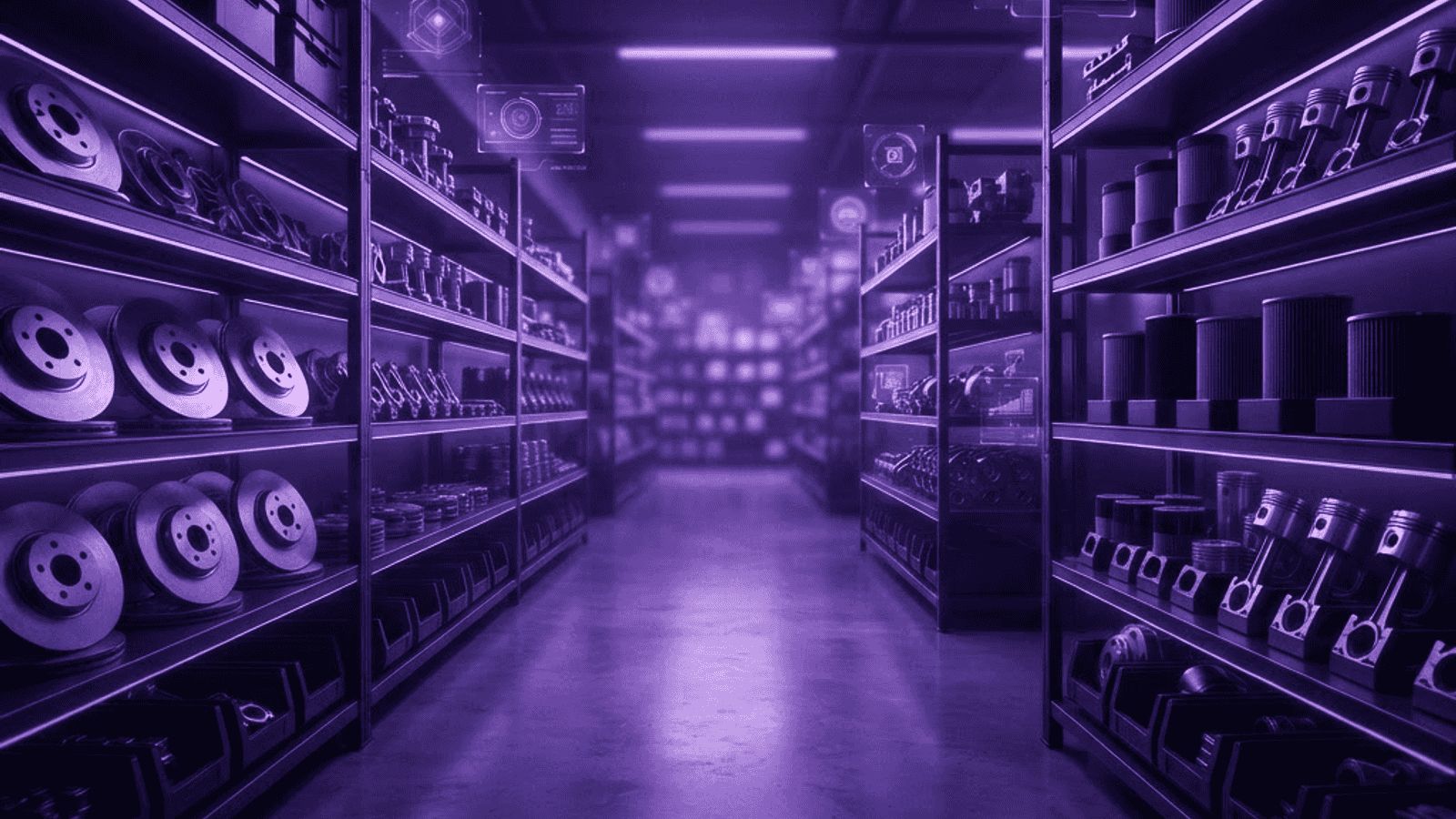
The Auto Parts Landscape in New Orleans
New Orleans supports a surprisingly deep auto parts ecosystem. The city has an older-than-average vehicle fleet, a strong culture of do-it-yourself repair, an active custom and classic car scene, and a large commercial base of delivery vans, contractor trucks and marine-adjacent equipment. That combination sustains everything from national retail chains to specialized wholesale distributors, machine shops and salvage yards.
Choosing a supplier is not only about price. Availability, warranty terms, return policies, technical knowledge behind the counter and delivery speed all affect the true cost of a repair. A part that arrives two days late can cost far more in lost use of a vehicle than the amount saved on the invoice.
1. National Retail Parts Chains
Large retail chains such as AutoZone, O Reilly Auto Parts and Advance Auto Parts anchor the consumer end of the market with multiple locations across Orleans and Jefferson parishes. Their strengths are convenience, extended hours, broad stock of maintenance items, and free services that genuinely help owners: battery and alternator testing, diagnostic code reading, loaner tool programs and battery recycling. Lifetime warranties on many categories, including brake pads and alternators, provide real long-term value for owners who keep vehicles for years.
2. NAPA Auto Parts
NAPA occupies a useful middle ground between consumer retail and professional wholesale. Locations serve both walk-in customers and repair shops, which tends to raise the technical competence at the counter and improve access to less common components such as specific bearings, seals, electrical connectors and hydraulic parts. NAPA distribution depth also means harder-to-source items for older or commercial vehicles are often available next day rather than next week.
3. Genuine Dealership Parts Departments
For body panels, trim, sensors, control modules and anything where exact fit or software compatibility matters, dealership parts counters remain the most reliable source. Original equipment parts arrive with the correct part numbers, revisions and calibration expectations, which prevents the frustrating cycle of installing an aftermarket sensor that never quite satisfies the vehicle computer. Dealership departments also identify the correct component from a vehicle identification number, eliminating guesswork on mid-year production changes.
4. Wholesale Distributors and Jobber Suppliers
Professional wholesale distributors primarily serve repair shops and fleets, offering trade pricing, multiple daily deliveries and account terms. For businesses running several vehicles, these relationships are transformative: parts arrive at the shop within hours, returns are handled without friction, and volume pricing meaningfully reduces annual maintenance spending. Many distributors also provide technical support lines staffed by experienced counter professionals who can identify obscure components from a description or photograph.
5. Salvage and Recycled Parts Yards
Salvage yards are indispensable for older vehicles, discontinued components and cosmetic parts. A used door, mirror, seat, wheel or interior trim piece from a recycling facility typically costs a fraction of new, and for parts that do not wear out mechanically, the compromise is minimal. Modern yards maintain searchable computerized inventories and often participate in regional networks, so a component sitting in a yard hours away can be located and shipped. Buyers should confirm warranty periods and, in this region, ask about flood exposure history for electrical components.
6. Performance and Aftermarket Speed Shops
The local performance community supports shops focused on exhaust systems, intakes, tuning hardware, suspension upgrades, forced induction components and wheels. These suppliers add value through expertise rather than inventory alone. Knowledgeable staff can explain which combination of parts actually works together, which is critical because mismatched performance components frequently produce worse results than a factory setup. Many also handle installation and tuning, keeping accountability in one place.
7. Truck, Van and Commercial Parts Suppliers
Commercial suppliers serve contractors, delivery operations and municipal fleets with heavy-duty brakes, suspension components, hydraulic fittings, lighting, towing hardware and utility body accessories. Their advantage is stocking depth in categories retail stores treat as special order. For businesses, same-day availability of a heavy-duty brake assembly or hydraulic hose is the difference between a truck working tomorrow or sitting idle for a week.
8. Motorcycle and Powersports Parts Retailers
Given the size of the local two-wheel community, powersports suppliers deserve their own category. These retailers stock tires, chains and sprockets, batteries, filters, brake components, controls and protective gear for street bikes, cruisers and scooters. Staff familiar with specific platforms help riders avoid the common mistake of ordering visually similar parts with different specifications, and many locations offer tire mounting for wheels brought in loose.
9. Machine Shops and Engine Component Suppliers
Machine shops occupy a specialized niche that pure retailers cannot fill. They supply and service engine internals, resurface cylinder heads, press bearings, machine brake rotors and fabricate custom components. For restoration projects, heavy-duty applications or engine rebuilds, these facilities provide both parts and the precision work that makes those parts function correctly. Their value grows as vehicles age and factory replacement assemblies become unavailable.
10. Glass, Electrical and Specialty Component Suppliers
Windshields, side glass, batteries, wiring harnesses, lighting assemblies and audio components are often best sourced from specialists. Auto glass suppliers in the metro area handle mobile installation and, importantly, recalibration of driver-assistance cameras mounted to the windshield, which many general shops cannot perform. Electrical specialists stock connectors, terminals, relays and harness repair materials that are nearly impossible to find at general retail but essential for fixing corrosion damage properly.
Original Equipment Versus Aftermarket Versus Used
Choosing a part category is a matter of matching risk to application. Original equipment parts offer guaranteed fit and predictable performance at the highest cost, and are the right choice for safety-critical, electronic and precisely calibrated components. Quality aftermarket parts from established manufacturers frequently match or exceed factory durability at lower prices, and are excellent for brakes, filters, suspension and cooling components. Economy aftermarket parts can be reasonable for low-stress applications but often fail early in demanding roles. Used and recycled parts excel for body panels, glass, interior pieces and non-wearing mechanical components.
Practical Buying Tips for This Region
Always bring the vehicle identification number or have it available, since many components changed mid production year. Photograph the original part before removal so the counter staff can compare directly. Ask specifically about return policies on electrical parts, because many suppliers treat them as non-returnable once installed. Confirm whether a core charge applies to items like alternators, starters and calipers, and keep the old unit until the exchange is complete.
Humidity and flood exposure deserve extra caution locally. Inspect used electrical components for corrosion on connector pins and mounting surfaces, and avoid salvage modules from vehicles with water damage history. Buying quality rubber components, including belts, hoses and bushings, pays off here because heat and moisture degrade cheap compounds quickly.
Final Thoughts
New Orleans offers genuine choice at every level of the parts market, from national chains with weekend hours to wholesale distributors, machine shops and salvage networks. The most cost-effective approach is rarely loyalty to a single source. Use retail chains for maintenance items and testing services, dealerships for electronics and exact-fit components, salvage yards for cosmetics and discontinued parts, and specialists whenever technical expertise matters more than shelf price.