
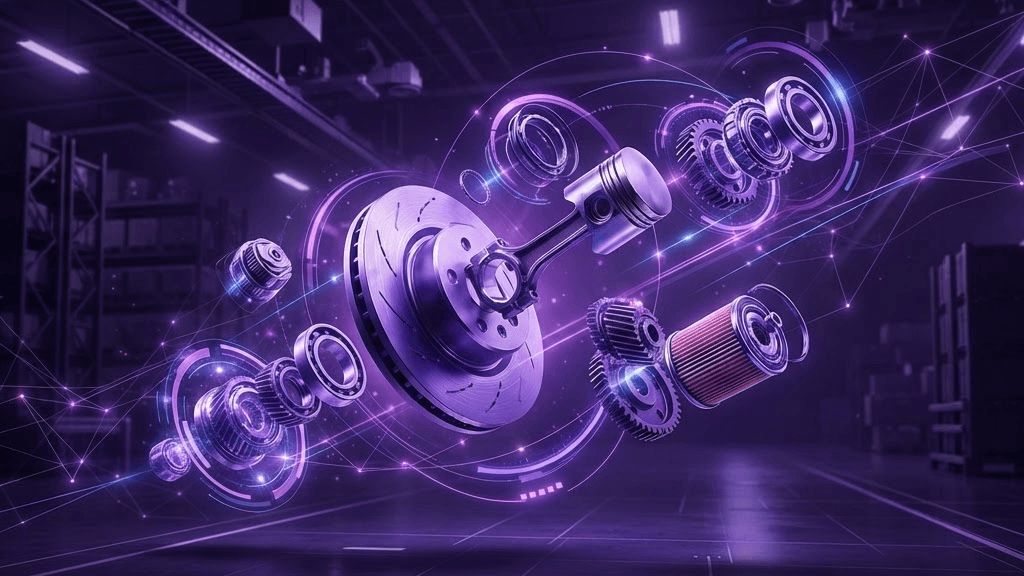
A City with Real Parts Infrastructure
Chattanooga's position as a logistics hub and an automotive manufacturing center means the region carries far more parts inventory than a metropolitan area of its size normally would. Distribution networks serving the Southeast route through the city, which shortens delivery times and widens availability. For vehicle owners and independent repair shops, this translates into shorter downtime and more competitive pricing than in many comparable markets.
The suppliers below are organized by category, since the right source depends entirely on what you are buying and how quickly you need it.
1. National Retail Parts Chains
Major retail parts chains maintain multiple locations across the Chattanooga metropolitan area with same-day availability on common maintenance and wear items. They offer free code scanning, battery and alternator testing, and tool loan programs that make many repairs feasible for do-it-yourself owners. Pricing on filters, brakes, batteries, and fluids is competitive, particularly with commercial accounts.
2. Professional Distribution Suppliers
Distributors serving professional repair shops carry deeper catalogs and higher-grade components than retail counter inventory. They operate delivery routes to shops throughout the day, which is why independent garages can complete same-day repairs. Retail customers can often purchase from these suppliers as well, typically at better quality tiers than consumer-facing stores stock.
3. Dealership Parts Departments
Franchised dealer parts counters supply original equipment components with guaranteed fitment. For electronic modules, sensors, body panels, interior trim, and anything requiring programming or precise tolerances, original equipment parts eliminate the compatibility risk that aftermarket alternatives sometimes carry. Prices are higher, but for certain categories the certainty is worth it.
4. Salvage and Recycled Parts Yards
Auto recyclers around Chattanooga supply used original equipment components at a fraction of new prices. Body panels, mirrors, seats, wheels, engines, transmissions, and complete assemblies are commonly sourced this way. Reputable yards provide inventory search systems, mileage documentation, and limited warranties. For older vehicles where repair cost must stay below vehicle value, salvage is often the only sensible route.
5. Performance and Aftermarket Specialists
Specialist suppliers serving the region's active enthusiast community stock suspension, exhaust, intake, braking, and tuning components. Staff at these shops typically have hands-on build experience and can advise on component compatibility, which matters far more in modification work than in standard repair.
6. Heavy Duty and Commercial Truck Parts
Given the region's logistics activity, suppliers serving commercial trucks and fleet equipment maintain substantial inventory in braking systems, air systems, drivetrain components, and filtration. These suppliers also serve contractors and businesses operating heavy vehicles, with delivery and emergency availability structured around minimizing downtime.
7. Online Parts Retailers
Online suppliers offer the widest catalogs and often the lowest prices, particularly for parts that are not urgently needed. The tradeoff is shipping time and the burden of verifying fitment yourself. For planned maintenance and restoration work, online sourcing saves significant money. For a vehicle that is not running, local availability wins.
8. Specialty and Import Parts Suppliers
Suppliers focused on European and Japanese imports stock components that general retailers do not carry, including brand-specific fluids, filters, and electrical parts. Using the correct specification fluid in European vehicles in particular is not optional, and these suppliers understand the distinctions.
9. Motorcycle and Powersports Parts Suppliers
Given the region's riding culture, several suppliers specialize in motorcycle, ATV, and powersports components including tires, chains, sprockets, filters, and protective gear. Seasonal demand peaks make early ordering worthwhile before riding season.
10. Machine Shops and Rebuild Services
Machine shops in the region perform cylinder head work, engine block machining, brake rotor resurfacing, and component rebuilding. For older or specialty vehicles where new parts are unavailable, rebuilding is frequently the only path. These shops also supply remanufactured components at meaningful savings against new.
Choosing Between Part Quality Tiers
Parts generally fall into four tiers. Original equipment parts come from the manufacturer's supplier with guaranteed fitment. Original equipment equivalent parts are made by the same manufacturers without branding, offering nearly identical quality at lower cost. Quality aftermarket parts from established brands often match or exceed original specifications, occasionally improving on known design weaknesses. Economy parts reduce cost but typically shorten service life.
A practical rule works well: use original equipment for electronics, sensors, and safety-critical components; use quality aftermarket for brakes, suspension, and filtration; use salvage for body and interior parts; and avoid economy tier for anything that requires substantial labor to replace, since paying twice for labor erases the savings.
Warranty and Return Considerations
Always confirm warranty terms and whether they cover labor for a failed part, which most do not. Keep receipts, since lifetime warranties on components like brake pads and alternators are common and genuinely honored. Electrical parts are frequently non-returnable once installed, so verify diagnosis before purchasing.
Supply Chain Realities
Parts availability has become less predictable across the industry, particularly for semiconductors, electronic modules, and components for recent model years. Chattanooga's distribution position mitigates this better than most markets, but for planned repairs it remains wise to confirm parts are in hand before scheduling shop time. Repair facilities increasingly order parts before booking the vehicle for exactly this reason.
Tips for Do-It-Yourself Buyers
Bring the vehicle identification number rather than relying on model year alone, since mid-year production changes are common. Take the old part with you when possible for direct comparison. Buy gaskets, seals, and fasteners at the same time, since these small items cause most repair delays. And borrow specialty tools through loan programs rather than buying tools you will use once.
Final Thoughts
Chattanooga's parts network is a genuine advantage for vehicle owners. Match the supplier to the job, choose the appropriate quality tier rather than defaulting to cheapest or most expensive, and verify fitment before installation day. Doing so keeps repair costs reasonable without sacrificing reliability.