
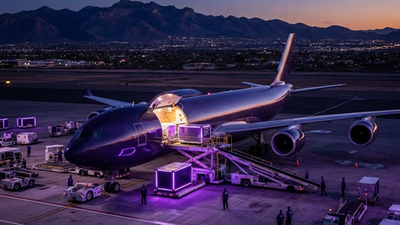
The Role of Air Cargo in Tucson
Tucson International Airport and nearby aviation facilities have made the city a meaningful node in the air freight network of the American Southwest. Air cargo serves industries where speed is non-negotiable, including aerospace components, medical supplies, high-value electronics, and perishable goods. For businesses that cannot afford days-long ground transit, air freight offers the reliability and rapid turnaround that keep supply chains intact.
The region's strong aerospace and defense sector, anchored by major manufacturers and research institutions, generates consistent demand for specialized air cargo handling. This ecosystem has encouraged carriers to build expertise in transporting sensitive, oversized, and regulated shipments with careful attention to compliance and security.
Services Offered by Air Cargo Providers
Leading air cargo companies in Tucson provide a spectrum of services designed to match different urgency levels and cargo types. Express air freight guarantees next-flight-out delivery for critical shipments, while consolidated air services offer cost savings for less urgent freight by combining loads. Charter services give businesses full control over aircraft scheduling for large or unusual shipments.
Many providers also offer end-to-end logistics that include ground pickup, customs brokerage, temperature-controlled handling, and final-mile delivery. This integrated approach removes friction from complex shipments, particularly for companies engaged in international trade or cross-border commerce with Mexico.
Top Air Cargo Companies in the Region
Global freight forwarders such as FedEx Express, UPS Air Cargo, and DHL Aviation dominate the high-speed international segment, leveraging vast networks and dedicated cargo fleets. Their infrastructure allows Tucson businesses to reach virtually any destination worldwide within days or even hours.
Specialized freight forwarders and third-party logistics firms complement these carriers by arranging tailored air solutions, negotiating rates, and managing documentation. These companies often shine when shipments require flexibility, special handling, or coordination across multiple transport modes, offering a consultative approach that large carriers may not always provide.
Trends Driving Air Cargo Innovation
Automation and digital booking platforms have streamlined the once paperwork-heavy world of air freight. Customers can now request quotes, book capacity, and track shipments through intuitive online portals, reducing delays and improving transparency. Data analytics also help carriers forecast demand and optimize load planning.
Sustainability is gaining traction in aviation logistics as well. Carriers are exploring more fuel-efficient aircraft, sustainable aviation fuels, and smarter routing to lower emissions. Meanwhile, the rise of e-commerce has pushed providers to expand express capacity and invest in faster ground-to-air handoffs.
Selecting an Air Cargo Partner
Choosing the right air cargo company depends on your cargo profile, budget, and destination requirements. Time-critical shippers should prioritize carriers with dedicated fleets and guaranteed delivery windows, while cost-conscious businesses may prefer consolidated or deferred air options. Verifying a provider's handling capabilities for specialized freight is essential.
Reputation, security protocols, and customs expertise should weigh heavily in your decision, especially for international shipments. By partnering with a reliable air cargo provider, Tucson businesses can compete on a global stage while ensuring their most valuable goods arrive safely and on schedule.