
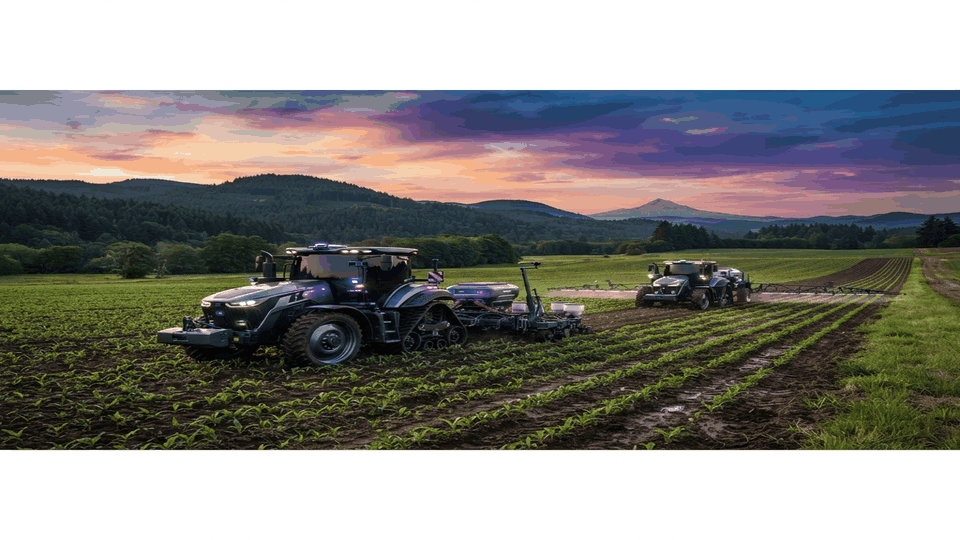
Powering Oregon's Farms and Fields
The fertile valleys surrounding Portland have long supported a diverse agricultural economy, from berry farms and vineyards to nurseries and grain operations. Behind every productive field is dependable equipment, and Portland's agricultural equipment brands play a central role in keeping the region's farms running efficiently. As precision agriculture and sustainable farming practices gain momentum, these brands are evolving to offer smarter, more fuel-efficient, and more durable machinery.
Choosing the right equipment brand can dramatically influence a farm's productivity and long-term costs. The following brands stand out in the Portland market for their reliability, service networks, and commitment to innovation.
1. Willamette AgWorks
Willamette AgWorks is respected for its rugged tractors and tillage implements designed to handle the varied soils of the Willamette Valley. The brand is known for strong dealer support and readily available parts, which minimizes downtime during critical planting and harvest windows.
2. Cascade Farm Machinery
Cascade Farm Machinery focuses on versatile utility tractors and loaders suited to small and mid-sized operations. Its equipment is prized for ease of maintenance and fuel efficiency, making it popular among family farms.
3. Rose City Equipment Co.
Rose City Equipment Co. offers a wide range of harvesting and hay equipment. The brand has built a reputation for durable builds and responsive service, helping farmers keep pace with tight seasonal schedules.
4. Columbia Valley Tractors
Columbia Valley Tractors specializes in heavy-duty machinery for larger acreage. Its lineup emphasizes horsepower, reliability, and modern operator comfort, appealing to commercial growers.
5. Evergreen Precision Ag
Evergreen Precision Ag is a leader in smart farming technology, offering GPS-guided systems, variable-rate applicators, and data tools. The brand helps farmers reduce input waste while boosting yields through precision agriculture.
6. Northwest Irrigation Systems
Northwest Irrigation Systems delivers efficient irrigation and water-management equipment tailored to the region's climate. Its solutions help growers conserve water while maintaining healthy crops during dry summer months.
7. Timberline Ag Solutions
Timberline Ag Solutions serves orchard and vineyard operators with specialized sprayers, mowers, and compact tractors. Its niche focus makes it a go-to brand for the region's fruit and wine producers.
8. Portland Farm Supply Machinery
Portland Farm Supply Machinery provides a broad catalog spanning tillage, seeding, and material-handling equipment. Its one-stop approach and knowledgeable staff make it convenient for diversified farms.
9. Pacific Harvest Equipment
Pacific Harvest Equipment is known for durable harvesting machinery and strong after-sales support. The brand's emphasis on longevity and serviceability appeals to growers focused on total cost of ownership.
10. Green Valley Implements
Green Valley Implements rounds out the list with dependable implements for small acreage and hobby farms. Its accessible pricing and helpful guidance make it a favorite among newcomers to farming.
Technology Transforming Farm Equipment
Precision technology is changing how farms around Portland manage seed, fertilizer, fuel, and labor. GPS guidance reduces overlap in field operations, while variable-rate systems apply inputs according to soil and crop needs. Telematics can alert an operator to maintenance concerns before a breakdown interrupts planting or harvest. These tools are no longer reserved only for the largest farms; modular systems and compact machinery now make data-driven agriculture more accessible to specialty growers and family operations.
Electrification and lower-emission engines are also gaining attention. Electric utility vehicles and compact equipment can reduce noise and exhaust in greenhouses, nurseries, and livestock facilities. For heavier field work, efficient diesel engines, improved transmissions, and automatic idle management help control fuel costs. Farmers should consider whether a new technology solves a real operational problem, integrates with existing machinery, and can be supported by technicians nearby.
Ownership Costs Beyond the Purchase Price
The sticker price is only one part of an equipment investment. Fuel use, routine service, replacement parts, insurance, depreciation, and resale value all influence the true cost per hour. A well-established brand with strong parts availability may deliver better long-term value than a less expensive machine that sits idle while components are ordered. Warranty coverage should also be reviewed carefully, including transport policies and whether labor is included.
Many Portland-area farms can benefit from renting or leasing specialized machinery that is needed only briefly each year. Used equipment is another practical option when service records are complete and an inspection confirms the condition of the engine, hydraulics, driveline, electronics, and safety systems. Matching financing terms to the expected useful life of a machine helps protect cash flow.
Service, Safety, and Sustainability
Dealer support becomes most valuable during the busiest weeks of the season. Ask about mobile repair, technician availability, parts inventory, and expected response times before purchasing. Operator training is equally important. Modern machines may include advanced controls, but safe use still depends on clear procedures, protective structures, visibility, and disciplined maintenance.
Equipment can support sustainability when it limits soil compaction, applies inputs accurately, conserves water, and lasts through many seasons. Correct tire selection and machinery sizing help protect Oregon's wet soils, while precision irrigation and application equipment can reduce waste. Durable, repairable machines often have a lower lifetime impact than products designed for frequent replacement.
Selecting the Best Equipment for Your Operation
When choosing an agricultural equipment brand in Portland, consider acreage, crop type, terrain, service availability, operator comfort, and long-term maintenance needs. Build a list of essential tasks before comparing horsepower or optional features, and test equipment under conditions similar to those on your farm whenever possible.
The strongest brands combine durability with modern efficiency and dependable local support. By matching machinery to the demands of Oregon's diverse agriculture, farmers can improve productivity without buying more capacity than they need. A thoughtful decision grounded in total ownership cost, service quality, and practical field performance will continue delivering value long after the initial purchase.