
Choosing Equipment for North Texas Conditions
Agricultural equipment selection around Plano is shaped by three local realities. Blackland prairie clay soils are heavy, sticky when wet, and hard when dry, which places real demand on tillage implements and traction. Summer heat stresses cooling systems and hydraulics. And parcel sizes have shrunk as development advanced, meaning compact and utility class equipment often fits better than large row crop machinery.
That combination favors versatile machines with strong dealer support over maximum capacity. A compact tractor with a well matched loader, a reliable rotary cutter, and available implements will serve most operations in the area better than a larger machine with fewer attachment options.
Dealer Support Matters More Than Brand Loyalty
The most consequential equipment decision is usually the dealer rather than the brand. Parts availability determines how long a machine sits idle. Technician expertise determines whether a diagnosis is correct the first time. Loaner and rental availability determines whether a repair stops your work entirely.
Before comparing specifications, ask practical questions. How far is the nearest service location? What is typical parts lead time for common wear items? Are technicians factory trained on the specific model line? These answers predict ownership satisfaction far better than horsepower or lift capacity figures.
Ten Agricultural Equipment Brands Available in the Plano Area
John Deere maintains the deepest dealer and parts network in the region, with compact utility tractors through larger agricultural machines. Its precision agriculture platform is mature, and residual values are consistently strong at resale.
Kubota is widely favored for compact and sub compact tractors, with a reputation for reliable diesel engines and comfortable operator stations. Attachment ecosystems are broad, which suits mixed use properties.
New Holland offers strong hay and forage equipment alongside utility tractors, making it a practical choice for operations balancing livestock and cropping. Cab comfort and visibility are frequently praised.
Case IH serves larger acreage operations with row crop tractors, tillage, and harvesting equipment. Advanced automation features and steering guidance systems are core strengths.
Massey Ferguson covers utility and mid range tractors with straightforward mechanical design that many owners find easier to maintain themselves. Value pricing relative to capability is a common reason for selection.
Mahindra competes strongly on price in the compact and utility segment with robust build and long warranty terms. Simplicity appeals to owners who prioritize durability over advanced electronics.
Bobcat dominates the compact loader and skid steer category, which is heavily used on smaller acreage and mixed agricultural and property maintenance work. Attachment versatility is exceptional.
Kioti has grown quickly in the compact tractor market with well equipped machines at competitive prices. Hydrostatic transmission options suit loader intensive work.
Land Pride specializes in implements rather than tractors, including rotary cutters, box blades, seeders, and tillage tools. Implement quality often determines work outcome more than tractor brand.
Vermeer completes the list with hay equipment, balers, and land clearing machines. Baler reliability during a narrow harvest window is where this brand earns its reputation.
Precision Agriculture and Electrification
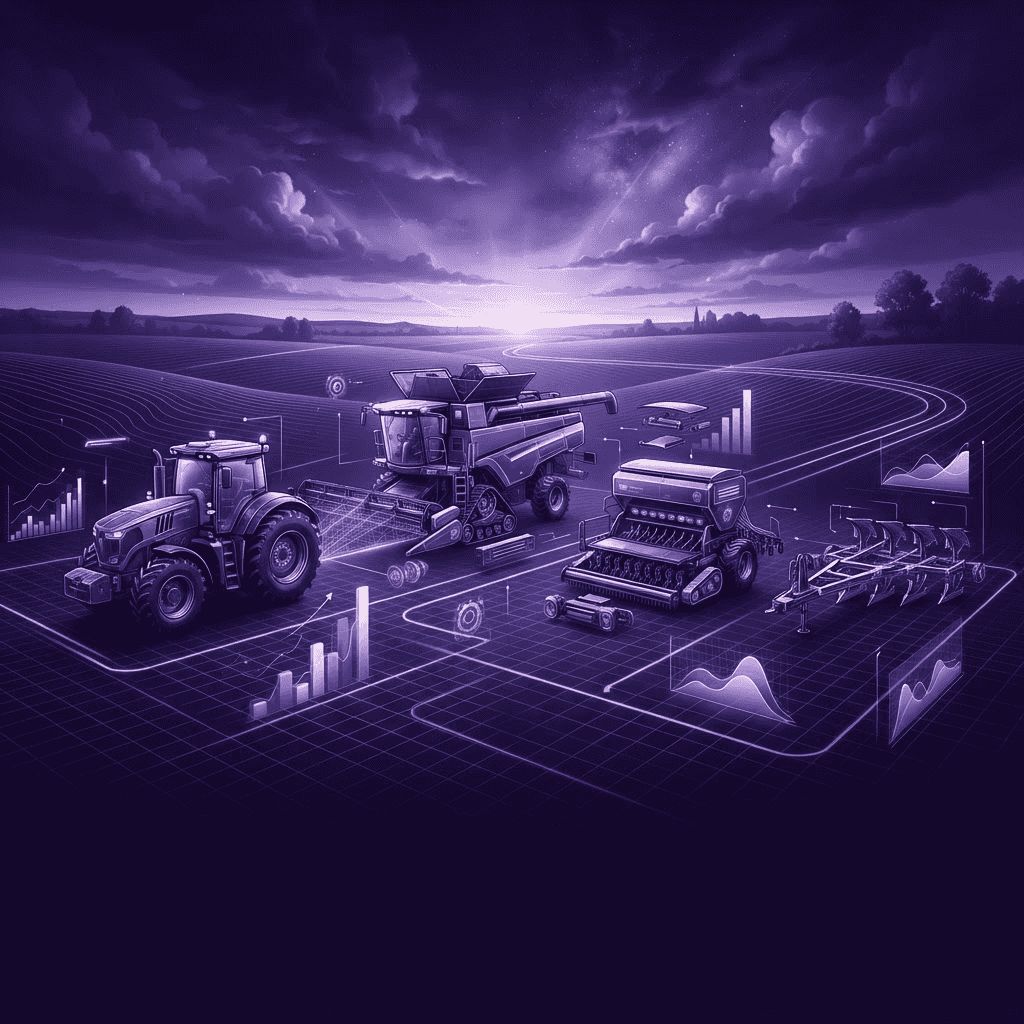
Guidance and automation technology has moved down market considerably. Auto steer, section control, and yield mapping once required large acreage to justify, but subscription based and retrofit options now make them viable on smaller operations. The immediate benefit is input reduction, since overlapping passes waste seed, fertilizer, and fuel.
Data management deserves attention before purchase. Equipment from different manufacturers does not always share data cleanly, and operators running mixed fleets should verify compatibility rather than assume it. Open standards have improved but gaps remain.
Electrification is arriving first in compact equipment, utility vehicles, and implements rather than large tractors, where energy density remains a constraint. For small operations, battery powered compact machines offer quiet operation, no emissions for enclosed spaces, and lower maintenance. Charging logistics should be evaluated realistically against actual duty cycles.
Autonomous operation is progressing from concept to limited commercial deployment, particularly for repetitive tasks such as tillage and spraying. Adoption in the Plano area is likely to begin with orchard and specialty crop applications where parcels are defined and tasks repetitive.
Practical Buying Guidance
Match horsepower to your heaviest regular task, not your occasional one, and rent for exceptional jobs. Verify that the loader and implements you intend to use are rated for the tractor rather than merely physically compatible. Test drive on ground similar to your own, because performance on clay differs substantially from performance on a dealer lot.
For used equipment, inspect hour meters, hydraulic condition, and structural wear points, and request service records. Consider certified pre owned programs where available, since they typically include inspection and limited warranty.
Finally, budget for implements and maintenance from the start. A tractor without appropriate implements accomplishes very little, and deferred maintenance is the fastest route to unplanned downtime.
Final Thoughts
Equipment selection for properties around Plano should start with soil conditions, parcel size, and actual task list, then move to dealer support, and only then to brand comparison. The brands profiled above cover compact tractors through larger agricultural machinery, loaders, implements, and hay equipment. Prioritize versatility, verify parts and service access, and invest in precision features where they reduce inputs. Reliable equipment that is quickly serviceable will always outperform impressive equipment that waits weeks for parts.