
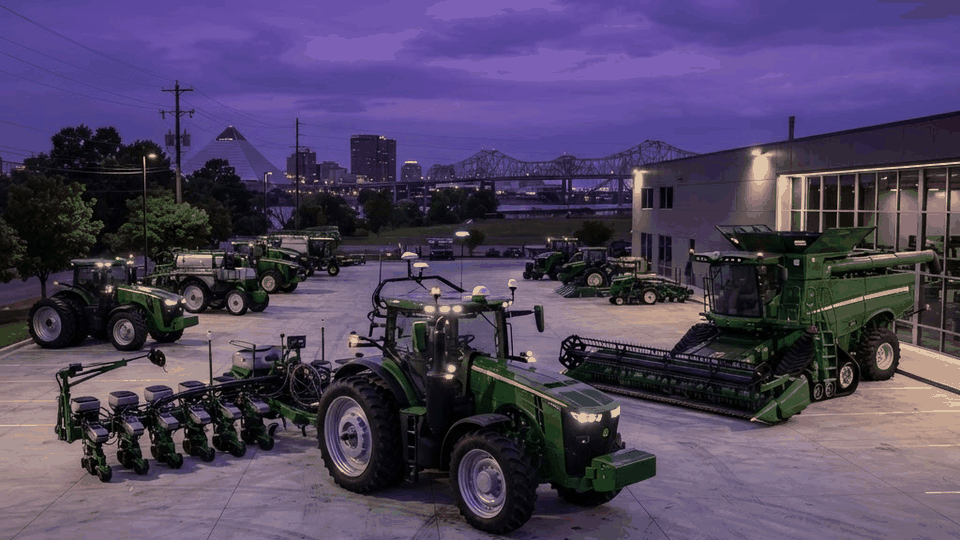
Memphis as a Center for Farm Equipment
As a commercial hub for the Mississippi Delta, Memphis is a natural marketplace for agricultural equipment. Farmers from Tennessee, Arkansas, and Mississippi rely on the city's dealers and suppliers for tractors, harvesters, tillage tools, and the many implements that keep large-scale operations running. The right equipment can make the difference between a profitable season and a difficult one, so the choice of brand and dealer carries real weight.
The equipment landscape in Memphis reflects the needs of the region's row-crop agriculture. Powerful, durable machinery designed for soybeans, corn, cotton, and rice dominates the market, alongside precision tools that help farmers work more efficiently across thousands of acres.
What to Look for in an Equipment Brand
Choosing an agricultural equipment brand involves more than horsepower and price. Durability is paramount, since farm machinery endures long hours in demanding conditions. The best brands are known for building equipment that holds up season after season with minimal downtime.
Just as important is dealer support and parts availability. Even the finest machine is only as good as the service network behind it. Farmers value brands with strong local dealer relationships that can provide quick repairs, readily available parts, and knowledgeable technicians. Resale value also matters, as well-regarded brands tend to hold their worth over time.
Categories of Agricultural Equipment
The equipment market covers several major categories. Tractors form the foundation of most operations, providing the power to pull implements and perform a wide range of tasks. Harvesting equipment, including combines and specialized headers, allows farmers to bring in crops efficiently during the critical harvest window.
Tillage and planting equipment prepare the soil and place seed with precision, while application equipment handles fertilizer and crop protection. Hay and forage tools serve livestock operations, and a range of attachments and implements round out the offerings. Leading brands often provide equipment across many of these categories, allowing farmers to standardize their fleets.
The Rise of Precision Technology
Modern agricultural equipment is increasingly defined by technology. GPS guidance, automated steering, and variable-rate application have transformed how farmers work, allowing them to reduce overlap, save fuel, and apply inputs exactly where needed. The top equipment brands now compete not only on mechanical performance but also on the sophistication of their onboard systems.
Data integration is a growing frontier. Equipment that collects and shares field data helps farmers make better decisions and track performance over time. Brands that offer well-designed, easy-to-use technology give their customers a meaningful advantage in efficiency and productivity.
New Versus Used Equipment
Buyers in the Memphis market weigh the trade-offs between new and used machinery. New equipment offers the latest technology, full warranties, and maximum reliability, but at a higher cost. Used equipment can deliver strong value, especially for operations with tighter budgets or seasonal needs, provided it comes from a reputable source with a clear service history.
The strongest dealers offer both options along with financing, leasing, and trade-in programs. This flexibility helps farmers acquire the equipment they need in a way that fits their financial situation and operational goals.
Dealer Service and Parts Availability
Brand comparisons should include the quality of the Memphis-area dealer, not just the machine. During planting and harvest, a delayed repair can cost far more than a small difference in purchase price. Ask about technician staffing, mobile field service, parts inventory, emergency hours, and the typical turnaround for common repairs. Dealers that train technicians on current electronic and hydraulic systems are better prepared to diagnose modern equipment efficiently.
Preventive-maintenance programs can add substantial value. Scheduled inspections identify wear before a failure, while detailed service records support resale value. Buyers should also review warranty exclusions, transportation charges, software subscriptions, and whether a loaner or rental machine is available during extended repairs.
Calculating Total Cost of Ownership
A practical equipment budget accounts for fuel, maintenance, insurance, financing, depreciation, labor, and expected resale value. Capacity should match the farm's acreage and available field days; an undersized machine can delay critical work, while an oversized machine ties up capital. Farmers can compare ownership with custom hiring or short-term rental for equipment used only a few days each year.
Compatibility deserves attention as fleets become more connected. Hydraulic capacity, hitch categories, tire spacing, guidance displays, data formats, and implement controls should work together. A lower-priced purchase can become expensive if it requires adapters, duplicate monitors, or additional tractors to operate effectively.
Safety, Training, and Operator Comfort
Good brands support safe operation with clear controls, visibility, guarding, lighting, and accessible service points. Operator training reduces accidents and helps crews use automated features correctly. Comfortable cabs, intuitive displays, and reduced vibration also matter during long Delta workdays because alert, less-fatigued operators are more productive.
Making the Right Investment
Investing in agricultural equipment is one of the most significant decisions a farming operation makes. The best approach combines careful evaluation of brand reputation, dealer support, and total cost of ownership rather than focusing on purchase price alone. Equipment that runs reliably, is easy to service, and integrates modern technology pays for itself through improved efficiency and reduced downtime.
For farmers across the Mid-South, Memphis remains a central destination for quality agricultural equipment. By partnering with trusted brands and dependable dealers, growers can equip their operations to meet the demands of each season and position themselves for long-term success.