
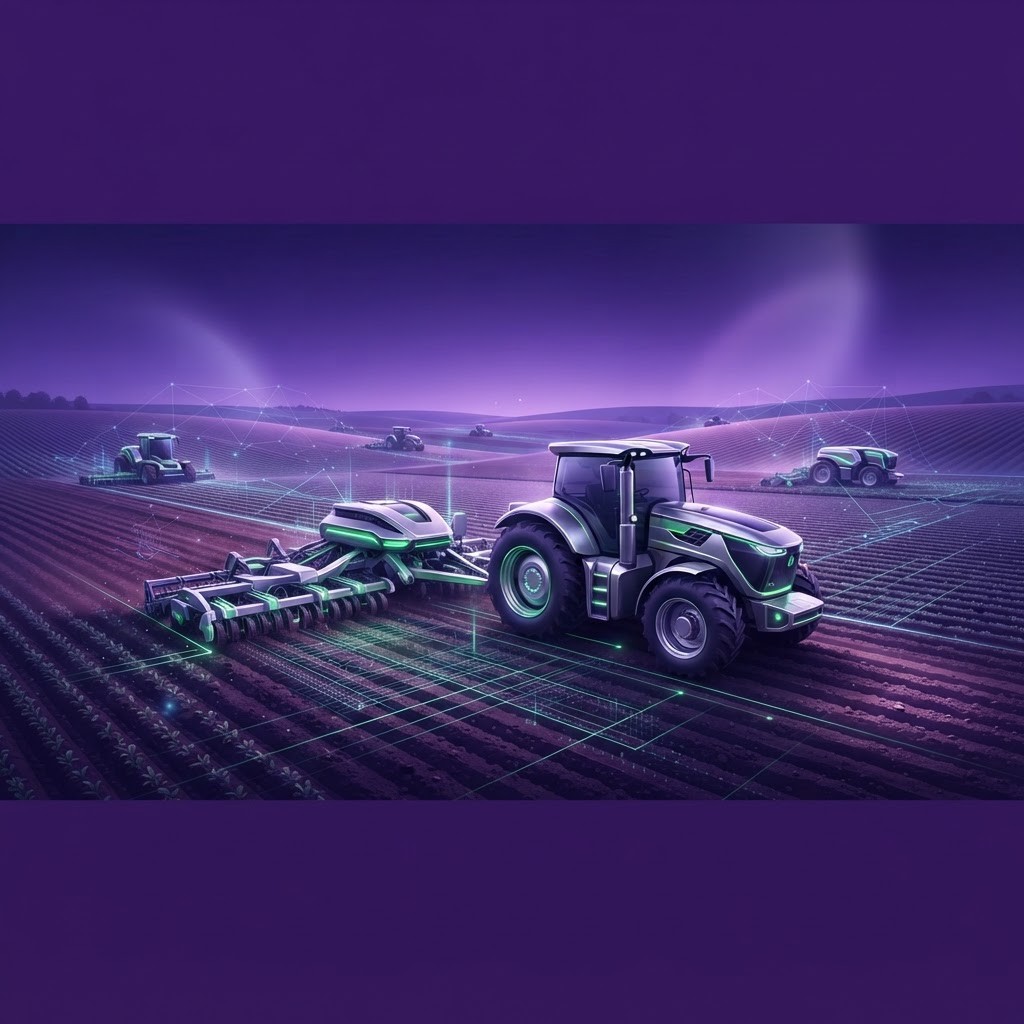
Mechanization and the Future of Lebanese Agriculture
As Lebanese agriculture modernizes, access to reliable equipment has become essential for improving productivity and reducing labor costs. From tractors and tillers to irrigation systems and harvesting machinery, the right tools enable farmers to work more efficiently and produce higher yields. Agricultural equipment brands and their local distributors are therefore key players in the country's farming ecosystem.
These brands provide not only machinery but also after-sales service, spare parts, and technical support. In a sector where downtime during planting or harvest can be costly, dependable equipment and responsive service make a tangible difference to farmers' success.
What Farmers Look For
When choosing agricultural equipment, Lebanese farmers prioritize durability, fuel efficiency, ease of maintenance, and the availability of local support. Equipment must withstand demanding conditions across varied terrain, from the coastal plains to the mountainous interior and the Bekaa Valley. Brands that offer robust machines backed by accessible service networks earn lasting loyalty.
Affordability and financing options also matter, particularly for smallholders. The most successful brands balance quality with value, ensuring that farmers of different scales can access the tools they need.
The Leading Agricultural Equipment Brands
John Deere is a globally trusted name, widely used in Lebanon for its powerful, reliable tractors and comprehensive product range. New Holland is equally respected, offering versatile machinery suited to a variety of crops and farm sizes.
Massey Ferguson has a strong presence thanks to its dependable tractors and reputation for longevity. Kubota is favored for compact, efficient machinery well suited to smaller farms and specialized tasks.
Claas is known for advanced harvesting equipment that boosts efficiency during critical seasons, while Landini offers a balance of affordability and performance. Case IH provides a broad lineup of tractors and implements valued for their strength.
Same appeals to farmers seeking reliable European-engineered machinery, and Antonio Carraro specializes in compact tractors ideal for vineyards and orchards. Honda Power Equipment rounds out the list with versatile engines, pumps, and small machinery used across many farms.
The Importance of Local Support
Owning quality machinery is only part of the equation. Reliable local distribution, maintenance, and spare-part availability are crucial for keeping equipment running. The brands that perform best in Lebanon are typically backed by established dealers who provide servicing, training, and quick access to components.
This local support ecosystem reduces downtime and extends equipment lifespan, delivering better long-term value for farmers. It also helps farmers adopt new technologies with confidence, knowing they have expert guidance available.
Technology Trends in Agricultural Equipment
The agricultural equipment landscape is evolving with the introduction of more efficient engines, precision tools, and smart features. Fuel efficiency and emissions reduction are increasingly important, as are technologies that improve accuracy in planting, spraying, and harvesting. While advanced precision agriculture is still emerging in the region, interest is growing as farmers seek to optimize inputs and yields.
Irrigation technology is particularly relevant given water scarcity concerns. Efficient pumps and drip systems supplied by leading brands help farmers conserve water while maintaining productivity.
Conclusion
The agricultural equipment brands available in Lebanon represent a blend of global engineering excellence and strong local support. By providing reliable, efficient machinery suited to diverse farming conditions, these brands empower farmers to increase productivity and adapt to modern demands. As the sector continues to mechanize, these trusted names will remain essential partners in Lebanon's agricultural progress.