
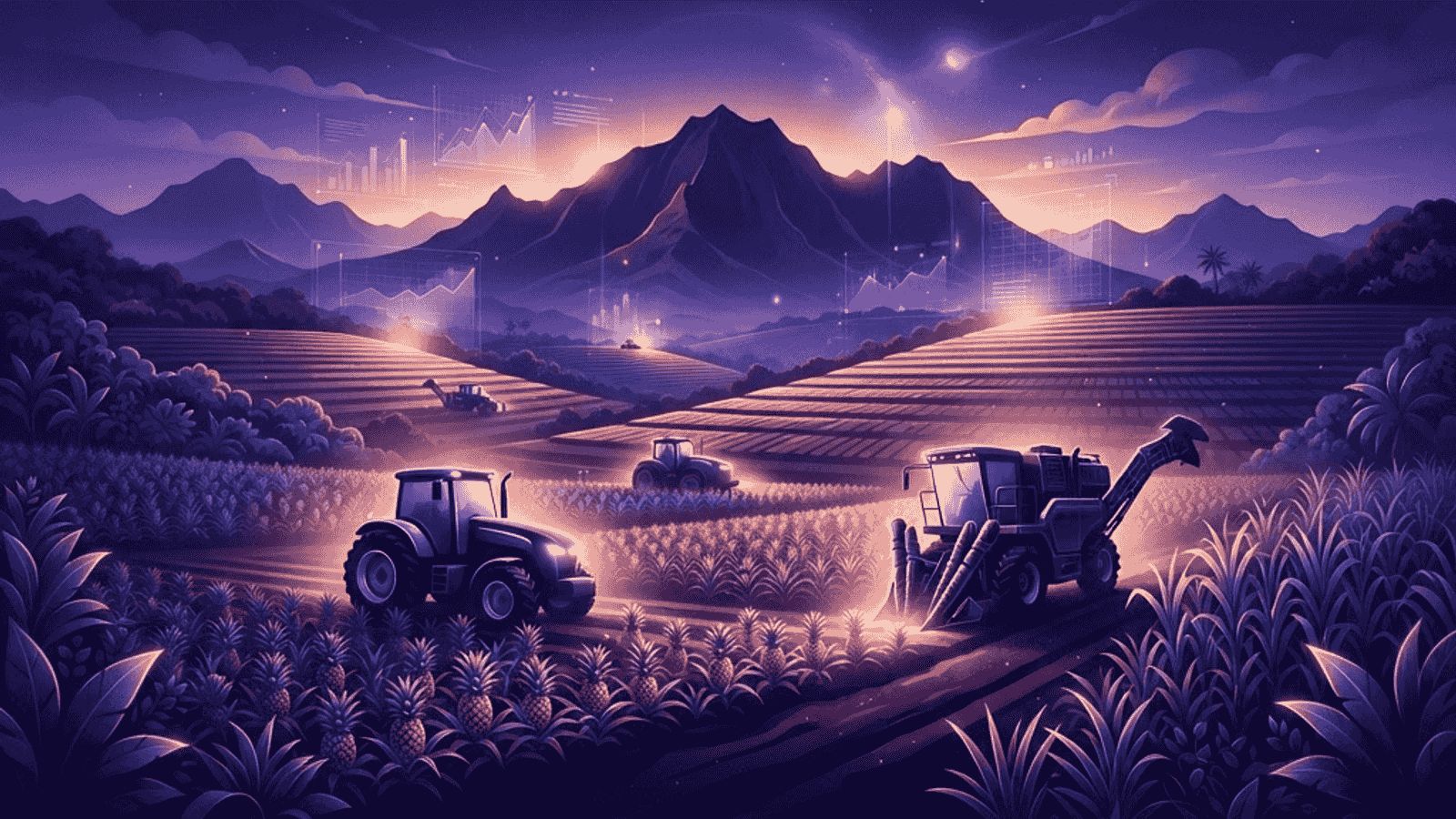
Farming in Paradise Requires the Right Tools
Agriculture in Honolulu and across the Hawaiian Islands is unlike farming anywhere else. Tropical climates, volcanic soils, diverse crops, and the logistical realities of island life create distinct demands on machinery and equipment. From compact tractors that navigate terraced fields to irrigation systems designed for pineapple and taro cultivation, the right agricultural equipment can determine whether a farm thrives. The leading agricultural equipment brands serving Honolulu combine global engineering excellence with an understanding of the islands' specialized needs.
What Makes a Great Agricultural Equipment Brand
The best agricultural equipment brands are judged on durability, versatility, parts availability, and after-sales support. In an island setting, reliable service and access to replacement parts are especially critical, since delays in shipping can halt production. Farmers also value fuel efficiency, ease of maintenance, and equipment that performs well across the varied terrain found from coastal plains to upland slopes.
Global Leaders Serving Honolulu Farms
John Deere remains a dominant name, prized for its rugged tractors, mowers, and utility vehicles that handle everything from small farms to large plantations. Kubota is exceptionally popular in Hawaii thanks to its compact tractors and versatile machinery, well suited to the smaller plots and diverse crops common on the islands. New Holland offers a comprehensive lineup of tractors and harvesting equipment known for innovation and efficiency.
Case IH delivers powerful, dependable machinery favored by larger agricultural operations, while Massey Ferguson provides a balance of affordability and performance that appeals to family farms. Yanmar has earned a loyal following for its durable diesel engines and compact tractors engineered for tight spaces and demanding conditions.
Specialized and Support Equipment
Beyond tractors, Honolulu farmers rely on a range of specialized equipment brands. Stihl is the go-to choice for chainsaws, trimmers, and handheld power tools essential to land clearing and crop maintenance. Honda Power Equipment supplies generators, tillers, and pumps that keep operations running in remote areas. Toro is recognized for irrigation systems and turf equipment vital to both agriculture and landscaping. Bobcat rounds out the list with compact loaders and excavators that handle earthmoving, material handling, and construction tasks around the farm.
Adapting to Tropical Agriculture
Hawaii's crops, including coffee, macadamia nuts, tropical fruits, and diversified vegetables, require equipment that can adapt to unique growing conditions. Leading brands have responded with attachments and configurations tailored to specialty farming, such as narrow tractors for orchard rows and precision irrigation controllers that conserve water. The emphasis on sustainability and resource efficiency aligns with the values of many island growers who prioritize environmental stewardship.
The Importance of Local Dealers and Service
Even the finest equipment brand is only as good as its local support network. In Honolulu, authorized dealers provide sales, maintenance, training, and parts that keep machinery operational year-round. Farmers benefit from building relationships with knowledgeable dealers who understand island logistics and can recommend the best solutions for specific crops and terrain. This partnership between brand, dealer, and farmer is essential to a productive and resilient agricultural sector.
Matching Equipment to Hawaii's Distinct Crop Systems
Oahu agriculture is remarkably diverse, and equipment needs shift substantially from one production system to another. Diversified vegetable farms working raised beds need compact tractors with precise hydraulics, bed shapers, and cultivating tools that can operate in narrow rows without damaging plants. Taro producers face saturated soils where flotation tires and low ground pressure matter far more than horsepower. Orchard operations growing mango, avocado, citrus, or coffee prioritize narrow profile tractors, orchard mowers, and airblast sprayers with good canopy penetration. Nursery and floriculture businesses depend less on field tractors and more on potting equipment, misting systems, shade structure hardware, and material handling. Ranchers in the drier leeward areas need hay equipment, water hauling capability, and fencing tools. Buying equipment without first mapping these specific tasks is one of the most common and expensive mistakes new operations make.
Maintenance Strategy in a Marine Climate
Salt air is the quiet enemy of farm machinery in Honolulu. Corrosion attacks battery terminals, wiring connectors, hydraulic fittings, brake components, and sheet metal far faster than in continental climates, and neglected corrosion eventually becomes a safety issue as well as a repair cost. Experienced operators build simple routines around this reality. Machines are rinsed with fresh water after work near the coast, then dried rather than left wet. Electrical connectors receive dielectric grease. Exposed pivot points and grease fittings are serviced on a shorter interval than the manual suggests. Equipment is stored under cover whenever possible, and machines that must sit outdoors are covered and started periodically to keep seals and bearings lubricated.
Fluid management deserves equal attention. Humidity introduces water into fuel and hydraulic systems, so water separators, filter changes, and fuel additives become routine rather than optional. Keeping a modest inventory of consumable parts on hand, including filters, belts, hydraulic hoses, and common fasteners, prevents a small failure from stopping work for weeks while a component ships in.
Financing, Sharing, and Total Cost of Ownership
Equipment is a capital decision, and the purchase price is only part of the picture. Fuel consumption, expected repair costs, dealer labor rates, downtime risk, and resale value all belong in the calculation. Many Oahu farms reduce capital exposure through shared ownership of specialized implements, cooperative equipment programs, or custom hire arrangements where a neighboring operation performs tillage or mowing as a service. Agricultural lending programs and state and federal cost share initiatives can also offset investments in irrigation efficiency and conservation practices. Approaching equipment as a long term system rather than a series of individual purchases consistently produces better financial outcomes.
Conclusion
The top agricultural equipment brands in Honolulu bring together world-class engineering and a deep appreciation for the demands of tropical island farming. Whether a grower needs a compact tractor, a robust harvester, or reliable handheld tools, these brands deliver the performance and support necessary to succeed. As Hawaii continues to invest in local food production and sustainable agriculture, quality equipment will remain a cornerstone of the islands' farming future.