
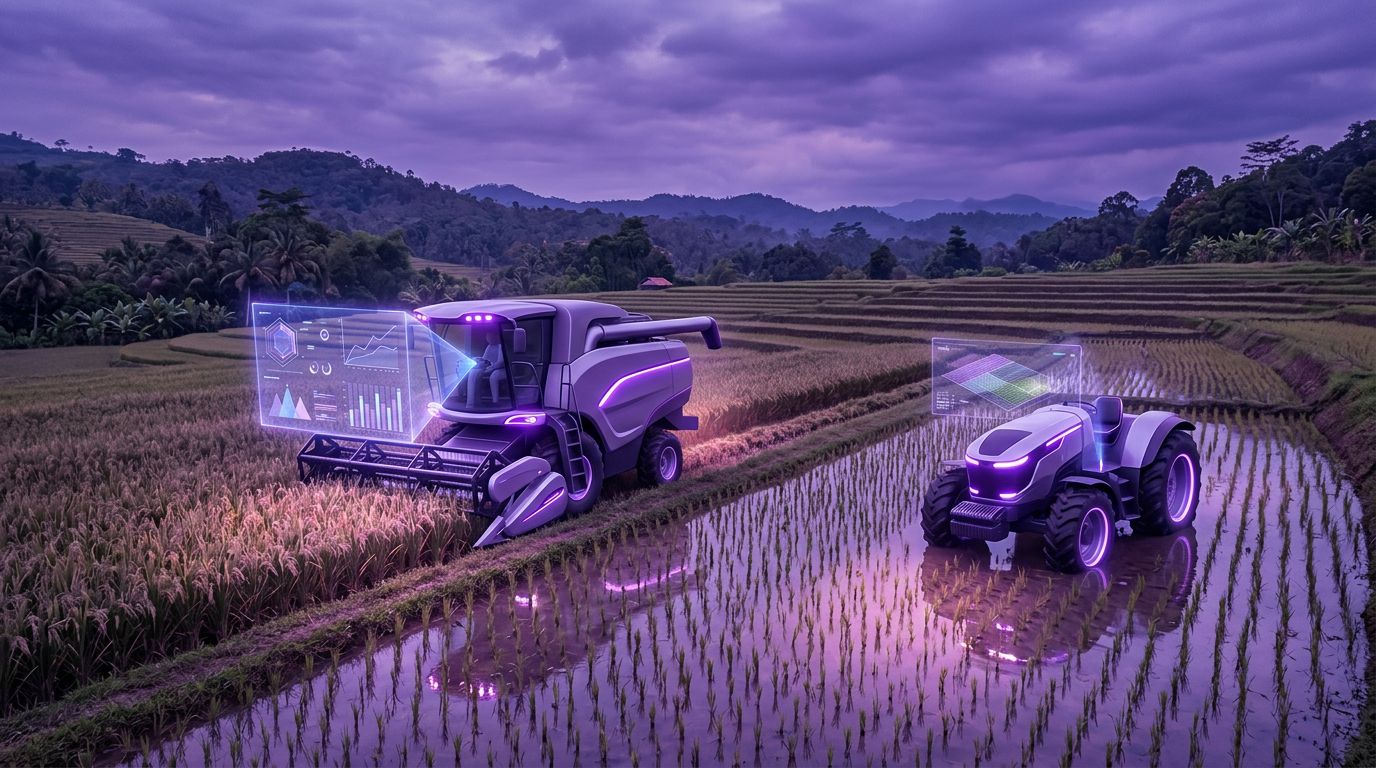
Why Equipment Choice Matters for Guyanese Farmers
Farming in Guyana presents unique mechanical challenges. Coastal rice lands are often waterlogged, clay soils are heavy and sticky, and the humid climate accelerates corrosion. Meanwhile, the expansion of corn and soybean cultivation in the intermediate savannahs requires larger, more powerful machines. For farmers, choosing the right equipment brand is not just about horsepower. It is about parts availability, technician support and how well a machine copes with mud, heat and long harvest seasons.
Most dealers and distributors are based in or around Georgetown, making the capital the natural place to compare options. The brands below have earned a strong reputation among Guyanese growers for reliability and after-sales support.
The Top 10 Agricultural Equipment Brands in Georgetown
1. John Deere
John Deere is one of the most respected equipment names worldwide, and in Guyana it is represented by Genequip, the authorized dealer located at Plantation Houston on the East Bank. Farmers value Deere tractors for their robust drivetrains, comfortable cabs and precision agriculture features. The dealer's parts inventory and service team are a significant advantage when downtime during planting or harvest can be costly.
2. New Holland Agriculture
New Holland is distributed in Guyana through Massy Distribution Guyana. The brand offers a wide range of tractors, combines and hay equipment, with models suited to both smallholders and large estates. Its combines in particular are popular in rice production, where efficient threshing and grain handling directly affect profitability.
3. Massey Ferguson
Massey Ferguson has a long history in Caribbean agriculture. Its tractors are known for simple, durable mechanics that local mechanics can maintain with confidence. Many farmers appreciate the balance of price and performance, and older Massey units remain a common sight on coastal farms decades after purchase.
4. Kubota
Kubota's compact and mid-sized tractors and rice transplanters are a strong fit for small and medium operations. The brand's fuel-efficient diesel engines and maneuverability in tight paddies make it a practical choice for farmers who need versatility without the expense of large machinery.
5. Case IH
Case IH offers high-capacity tractors and combines designed for large-scale field operations. As savannah farming grows, Case IH machines are attractive for tilling, planting and harvesting larger acreages efficiently. Their reputation for heavy-duty performance makes them a contender for commercial estates.
6. Mahindra
Mahindra is one of the world's highest-volume tractor makers and has built its brand on affordability and toughness. Its tractors are well suited to tropical conditions, and their competitive pricing makes them an entry point for farmers mechanizing for the first time.
7. Yanmar
Yanmar specializes in compact equipment with a strong track record in Asian rice systems, which share many conditions with Guyana's coastal fields. Its combines and tractors are designed for wet soils and are respected for engine longevity.
8. Dondi
Dondi, the Italian implement manufacturer distributed through Massy, produces rotary tillers, ditchers and soil preparation tools. In a country where drainage is critical, Dondi ditchers and land preparation implements help farmers maintain canals and prepare fields efficiently.
9. Shantui
Shantui heavy equipment, supplied locally through Yellow Steel Inc., is not strictly farm machinery, but its bulldozers and loaders are widely used for land clearing, drainage works and farm road construction. As new agricultural lands are developed, this kind of earthmoving equipment is essential.
10. Stihl
For smaller tasks, Stihl brushcutters, chainsaws and sprayers are staples on Guyanese farms. Their reliable engines and widespread availability of parts and service through local hardware and farm supply stores make them a practical, everyday investment.
Trends Driving Equipment Demand
Several forces are increasing demand for modern machinery. Labor shortages in rural areas are pushing farmers to mechanize planting, spraying and harvesting. The rapid growth of large-scale corn and soybean projects requires high-capacity tractors, planters and combines. Precision agriculture is also gaining ground, with GPS guidance and yield monitoring beginning to appear on larger farms. Drones for crop spraying and field mapping are attracting attention among progressive rice growers.
Financing is another important factor. Dealers, commercial banks and development programs increasingly offer credit facilities for equipment purchases, making it easier for medium-sized farmers to upgrade. Some cooperatives also pool resources to buy combines and share them among members, spreading the cost of expensive machinery.
How to Choose the Right Equipment Brand
- Dealer proximity: A nearby dealer with trained technicians reduces downtime dramatically.
- Parts availability: Ask which components are stocked locally and how long imports take.
- Soil and crop match: Choose tracks or specialized tires for waterlogged rice lands and higher horsepower for savannah fields.
- Corrosion resistance: Coastal humidity and salt air demand good paint, sealing and regular maintenance.
- Resale value: Well-known brands typically retain value, which matters when upgrading later.
Final Thoughts
The agricultural equipment market in Georgetown offers Guyanese farmers access to world-class brands backed by local dealers. From John Deere and New Holland to compact Kubota and Yanmar machines, there is a solution for every scale of operation. As the country invests heavily in food production and new farmlands, choosing durable, well-supported equipment will be one of the most important decisions any grower makes.