
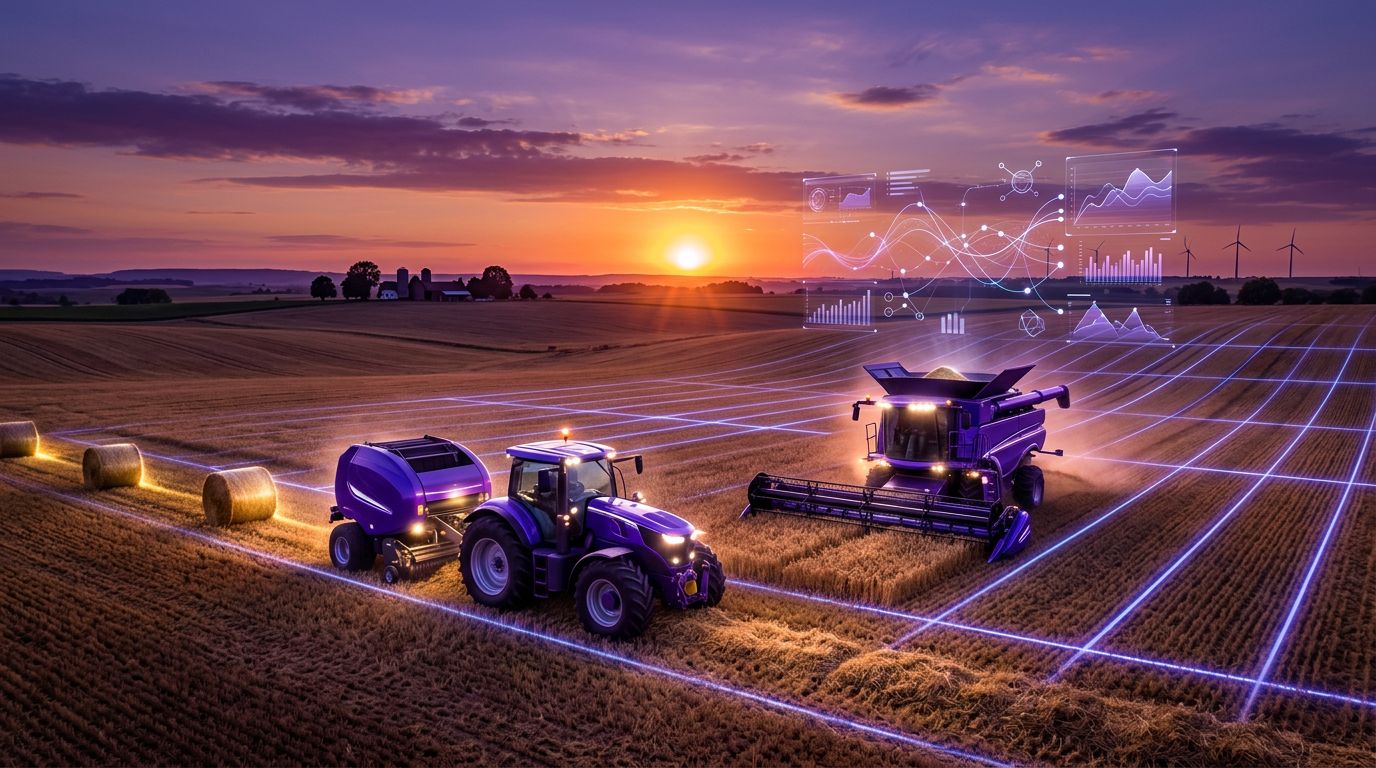
Agricultural Equipment in College Station
The Brazos Valley's fertile soils support row crops like cotton, corn, and sorghum, along with hay production and cattle operations. Farmers and ranchers across the region rely on tractors, harvesters, balers, sprayers, and implements to manage their land efficiently. With Texas A&M's agricultural research nearby, local producers are often early adopters of new equipment technology.
Choosing the right equipment brand affects productivity, operating costs, and long-term profitability. Dealer support, parts availability, and technology integration are as important as horsepower.
What Local Producers Value
Producers in the region need equipment that performs reliably in hot weather, heavy clay soils, and long working days during harvest. Fuel efficiency, operator comfort, precision technology, and resale value are all key considerations.
The Top 10 Agricultural Equipment Brands in College Station
1. John Deere
John Deere is the most recognized agricultural equipment brand in the world. Its tractors, combines, cotton pickers, and precision agriculture technology are widely used by Brazos Valley farmers.
2. Case IH
Case IH offers powerful tractors, combines, and cotton harvesters with advanced technology. Its Axial-Flow combines and AFS precision systems help farmers improve efficiency and yields.
3. New Holland
New Holland is known for hay and forage equipment, including balers and mower conditioners. Hay producers across the Brazos Valley value New Holland's reliability and versatility.
4. Kubota
Kubota builds compact and utility tractors that are ideal for small farms, ranches, and rural properties. Its durability and fuel efficiency make it popular with hobby farmers and landowners.
5. Massey Ferguson
Massey Ferguson offers tractors and hay equipment known for simplicity and value. Its straightforward designs and strong dealer support appeal to ranchers.
6. Vermeer
Vermeer is a leader in hay balers, rakes, and forage equipment. Its round balers are a common sight on Texas hay fields, valued for consistent bale quality.
7. Mahindra
Mahindra produces affordable, rugged tractors with strong warranties. Its compact and utility models are popular with small acreage owners.
8. Kioti
Kioti offers compact and utility tractors with comfortable cabs and strong performance. Its value pricing attracts landowners seeking dependable equipment.
9. Great Plains
Great Plains manufactures planters, drills, and tillage equipment. Its products support conservation tillage and precision planting practices for row crop farmers.
10. Bush Hog
Bush Hog is synonymous with rotary cutters and pasture maintenance. Ranchers and landowners rely on Bush Hog implements for clearing brush and maintaining pastures.
Agricultural Equipment Trends
Precision agriculture is transforming farming with GPS guidance, variable-rate application, and yield mapping. Autonomous tractors and robotics are emerging technologies that may address labor shortages. Telematics allow producers to monitor equipment remotely. Interest in electric and alternative-fuel equipment is also growing. Research at Texas A&M continues to evaluate how technology can improve efficiency and sustainability.
How to Choose an Agricultural Equipment Brand
Consider your farm size, crop types, and long-term goals. Evaluate dealer support, parts availability, and service response times. Compare total cost of ownership, including fuel use, maintenance, and resale value. Test equipment when possible and explore financing options from agricultural lenders.
Matching Equipment to Brazos Valley Operations
Agricultural operations around College Station range from large river-bottom row crop farms to small weekend ranches, and each requires a different equipment strategy. Row crop producers need high-horsepower tractors, planters, sprayers, and harvesters with precision guidance to manage large acreage efficiently. Hay producers invest in mower conditioners, rakes, and balers, and timing is critical because quality hay depends on cutting and baling at the right moment. Cattle ranchers rely on utility tractors with front loaders, rotary cutters, and feeding equipment. Hobby farmers and rural homeowners often choose compact tractors that can handle mowing, grading, and moving materials. Selecting equipment that matches the scale of the operation prevents overspending and maximizes productivity.
Frequently Asked Questions
How much horsepower do I need for a small ranch? Many small ranches operate well with a utility tractor in the forty to seventy-five horsepower range, depending on implements and acreage.
Is used farm equipment a good investment? Well-maintained used equipment from a reputable dealer can offer excellent value, especially for operations with lower annual hours.
Can older tractors use precision guidance? Yes. Aftermarket GPS guidance systems can be added to many older tractors.
Key Takeaways for Producers
The best equipment decision is rarely about brand alone. Brazos Valley producers should weigh the strength of the nearest dealer, the availability of parts during harvest, and the support available for precision technology. Keeping detailed maintenance records improves reliability and resale value. Many operations also find that mixing brands, such as one manufacturer for tractors and another for hay equipment, delivers the best overall performance. Planning purchases around tax considerations and seasonal dealer promotions can also lower the total cost of ownership significantly.
Final Thoughts
From large row crop operations to small family ranches, Brazos Valley producers need equipment they can trust. These ten agricultural equipment brands deliver the performance, innovation, and support that keep College Station's farming community productive.