
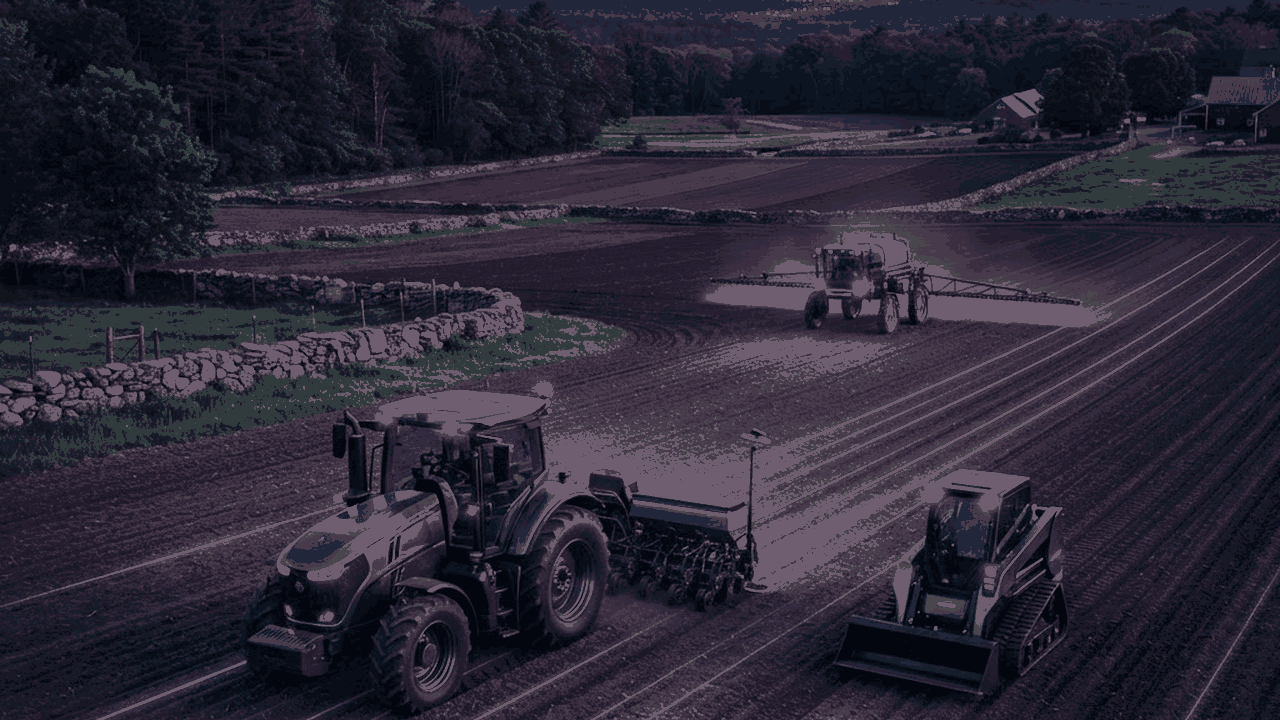
Equipping New England Agriculture
Although Boston is an urban center, it sits at the heart of a broader New England agricultural region where farms of all sizes depend on reliable machinery. Agricultural equipment brands serving the Boston area supply everything from compact tractors suited to small farms to advanced precision-farming technology used by larger operations. As local and sustainable agriculture grows around the city, demand for efficient, versatile equipment continues to rise.
The region's mix of small family farms, urban agriculture ventures, and specialty growers creates unique equipment needs. Brands and dealers that understand this diversity, offering everything from greenhouse systems to field machinery, are best positioned to serve local farmers effectively.
What Makes a Trusted Equipment Brand
Durability, reliability, and strong dealer support define the best agricultural equipment brands. Farmers depend on machinery that performs season after season, and equipment downtime can be costly. Leading brands back their products with accessible parts, responsive service networks, and knowledgeable local dealers who understand regional farming conditions.
Innovation increasingly separates top brands from the rest. Precision agriculture technology, fuel efficiency, and versatility have become key differentiators. Farmers seeking to maximize yields while minimizing costs gravitate toward brands that integrate smart features and adapt to the compact, diverse farms common in New England.
Leading Agricultural Equipment Brands
John Deere remains one of the most recognized and trusted names in agricultural machinery, offering a broad lineup from compact utility tractors to sophisticated precision-agriculture systems. Its extensive dealer and service network across New England makes it a popular choice for farms of every size around Boston.
Kubota has earned a strong reputation for its reliable, versatile compact tractors, which are especially well suited to the smaller farms and specialty operations common in the region. New Holland and Massey Ferguson likewise offer respected lines of tractors and implements favored by farmers who value durability and performance.
For specialty and greenhouse operations, brands producing hydroponic systems, greenhouse structures, and controlled-environment equipment serve the growing urban and indoor agriculture sector. Case IH provides robust machinery for larger regional farms, while equipment brands focused on tillage, seeding, and harvesting round out the market. Local dealers representing these brands provide the crucial link between manufacturers and the farmers who rely on them.
Technology Trends in Agricultural Equipment
Precision agriculture is transforming how farms operate. GPS-guided equipment, automated steering, and data-driven crop management allow farmers to apply seed, water, and nutrients with remarkable accuracy, reducing waste and boosting yields. Even smaller New England farms are adopting these technologies as they become more accessible.
Sustainability is another major driver. Fuel-efficient engines, electric and hybrid equipment, and machinery designed to minimize soil compaction and chemical use align with the environmental priorities of the region's farmers. Brands investing in cleaner, smarter technology are gaining favor.
Automation and robotics are emerging as well, with autonomous tractors and specialized robotic tools beginning to appear on progressive farms. For indoor and vertical farming operations near Boston, automated climate control and growing systems are already standard.
Selecting the Right Equipment
Choosing agricultural equipment requires matching machinery to the specific needs, scale, and terrain of a farm. Buyers should prioritize brands with strong local dealer support, readily available parts, and equipment sized appropriately for their operation. Test drives and consultations with experienced dealers help ensure a sound investment.
A Smarter Equipment Buying Process
Farmers comparing brands should begin with the jobs that consume the most labor rather than with horsepower alone. Field width, turning space, soil conditions, slopes, crop type, and transport requirements determine the right machine. A compact tractor with well-matched implements may outperform a larger model on a diversified farm near Boston, while a hay or grain operation farther west may need greater capacity and specialized harvesting support.
Total ownership cost includes financing, insurance, fuel, maintenance, tires, storage, depreciation, and operator training. Request comparable demonstrations using the implement and material the machine will actually handle. Controls should be comfortable, visibility should be clear, and attachment changes should be safe and practical. Used equipment can be an excellent value when service records, engine hours, wear points, and parts availability have been carefully checked.
Dealer capability often matters as much as the badge on the hood. Ask about mobile service, seasonal response times, loaner options, technician training, and parts stocked locally. New England's short planting and harvest windows leave little room for downtime. Technology subscriptions and data ownership should also be understood before purchasing connected equipment, particularly when precision features are central to the investment.
Final Perspective
The agricultural equipment brands serving Boston and New England combine proven reliability with cutting-edge innovation, empowering farmers to work more efficiently and sustainably. As regional agriculture continues to modernize, these brands will remain essential partners in the success of local farms. Choosing equipment through real work requirements, full lifecycle cost, and dealer support produces a more durable return than selecting by reputation alone.
Before making a final selection, readers should confirm current availability, terms, and service capabilities directly with each organization. Comparing several qualified options against clearly defined priorities creates a fairer decision and helps establish a productive relationship built on realistic expectations, accountability, and long-term value.