
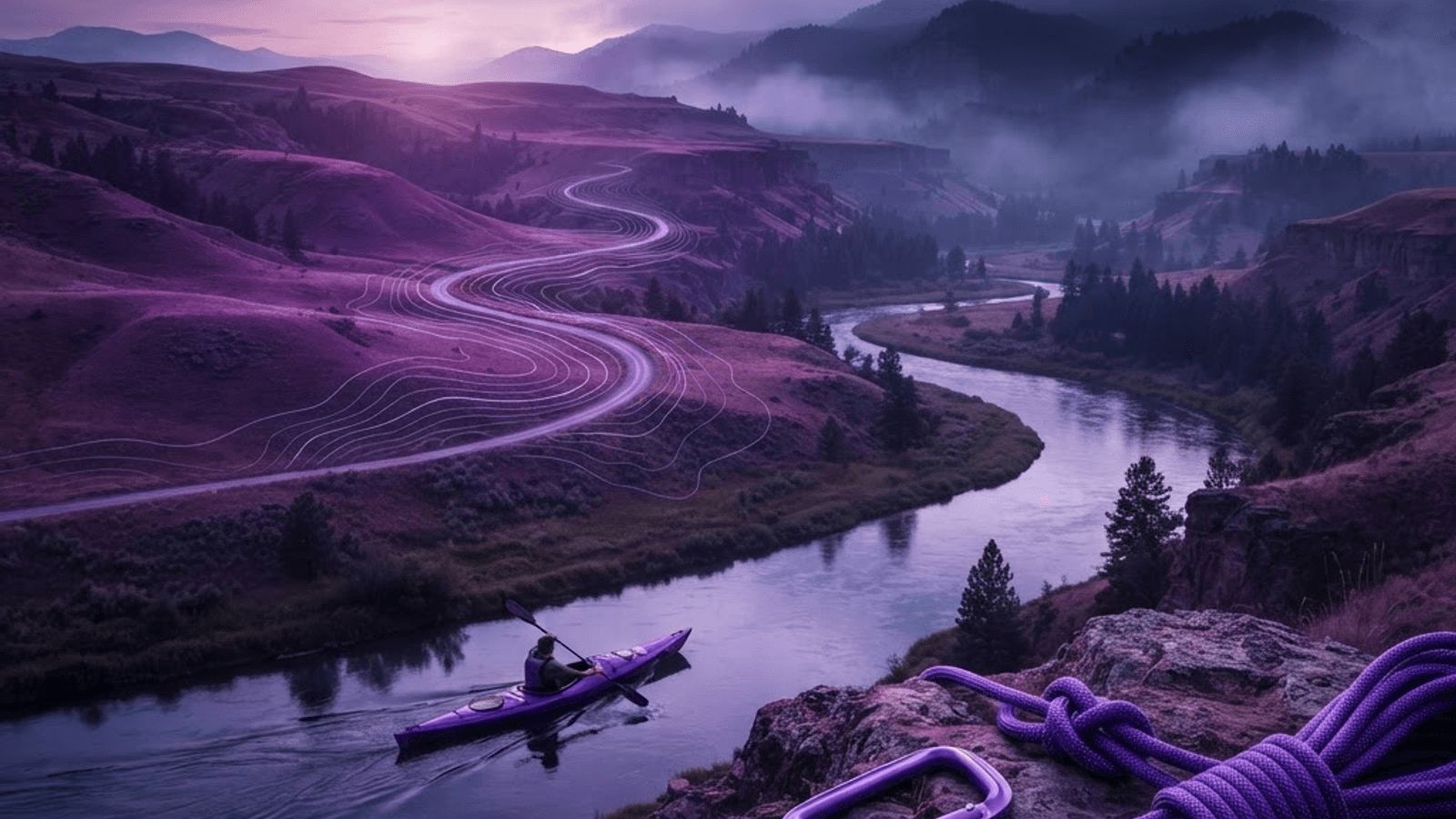
Adventure Travel from the Middle of the Country
Adventure travel is often associated with mountains and coastlines, which leads people to assume there is little of it in eastern Kansas. In practice, Overland Park is an excellent launch point. The Flint Hills contain the largest remaining expanse of tallgrass prairie in North America. The Missouri and Kansas rivers support serious multi-day paddling. Within a day's drive are the Ozark float streams, the limestone bluffs of northwest Arkansas, and thousands of miles of rail-trail. And Denver and the Front Range are a single short flight or a long drive away.
The result is a two-tier adventure market: regional outfitters running guided trips close to home, and outbound specialists sending Kansas City travelers to Patagonia, the Alps, Nepal, and East Africa. Both categories are represented well locally.
The Top 10 Adventure Travel Companies Serving Overland Park
1. Overland Adventure Outfitters
A regional operator offering guided kayaking, canoeing, hiking, and multi-sport weekends throughout eastern Kansas and western Missouri. Provides equipment, shuttle logistics, and certified guides, which makes it an ideal starting point for people new to backcountry travel.
2. Flint Hills Expedition Company
Specializes in prairie immersion: long-distance gravel cycling, backpacking on tallgrass preserves, and dark-sky camping. Strong on natural history interpretation and on route planning across a landscape that is deceptively demanding in heat and wind.
3. Ozark River Guides
Runs float trips, whitewater instruction on higher-gradient sections, and multi-day river camping in the Missouri Ozarks. Offers family-appropriate options alongside more technical itineraries, with equipment rental and shuttle service included.
4. Summit Bound Alpine Adventures
An outbound operator focused on mountaineering, high-altitude trekking, and via ferrata travel, running trips to the Rockies, the Andes, and the Himalaya. Provides conditioning guidance and pre-trip training plans, which materially improves success rates for flatland-based climbers.
5. Great Plains Cycling Tours
Builds supported multi-day cycling itineraries across Kansas, Missouri, and Nebraska, including long rail-trail routes and gravel loops. Support vehicles, luggage transfer, and mechanical assistance remove the barriers that keep many riders from attempting multi-day trips.
6. Wildlands Safari Collective
Concentrates on wildlife-focused adventure travel in East and Southern Africa, with small group sizes and conservation-oriented lodges. Emphasizes ethical wildlife viewing standards and works with locally owned camps.
7. Heartland Climbing Guides
Offers instruction and guided climbing at regional crags plus destination trips to sandstone and granite areas farther afield. Runs progression-based programs from top-rope fundamentals through multi-pitch and trad leading.
8. Northbound Wilderness Journeys
Focuses on canoe expeditions, winter camping, and dog sledding in the northern Midwest and Canada. Attracts travelers seeking genuine remoteness within driving distance rather than international flights.
9. Meridian Trek & Trail
A hiking-centric operator running national park itineraries, hut-to-hut treks in Europe, and desert canyon trips. Publishes honest daily mileage and elevation figures, which helps travelers self-select appropriately.
10. Current Watersports Adventures
Provides paddleboarding, sea kayaking, and open-water instruction at regional lakes and reservoirs, plus coastal and island trips. A useful bridge between local skill-building and destination travel.
Evaluating an Adventure Operator
Adventure travel carries more inherent risk than conventional touring, so operator vetting deserves real attention. Ask about guide certifications, whether wilderness first responder or wilderness first aid training is current, and what the guide-to-guest ratio is on your specific itinerary. Request the emergency action plan, including evacuation procedures and communications equipment carried in the field.
Confirm insurance coverage and whether the operator requires or recommends travel medical and evacuation insurance. Review equipment provision: what is included, what you must supply, and what condition rental gear is in. Finally, look for an honest activity rating. Operators that publish daily distances, elevation gains, and terrain descriptions rather than vague adjectives are usually the ones running well-managed trips.
Training for a Trip from Kansas
Living at roughly nine hundred feet of elevation creates specific preparation challenges for altitude-based adventures. Cardiovascular conditioning transfers well, but altitude acclimatization does not, so itineraries with built-in acclimatization days matter more for Midwestern travelers than for those departing from Colorado.
For hiking and mountaineering, local training options include stair climbing in office towers and parking structures, weighted pack walks on river bluff trails, and repeat hill efforts in Johnson County's rolling parks. For paddling, regional lakes support consistent skill development. For gravel cycling, eastern Kansas offers arguably the best training terrain in the country.
Trends in Adventure Travel
Small-group and private-departure formats continue to grow, driven by travelers who want expert guiding without large groups. Multi-sport itineraries combining paddling, cycling, and hiking are increasingly popular for families with mixed interests. Slower, deeper trips that spend more nights in fewer places are replacing high-mileage circuits.
Sustainability has moved from marketing to procurement, with more operators using locally owned lodging, reducing single-use plastics, and contributing to habitat conservation. Accessibility is also improving, with adaptive paddling and cycling programs expanding regionally.
Final Thoughts
Adventure travel from Overland Park is genuinely accessible, both close to home in the prairie and rivers of the region and abroad through capable outbound specialists. Choose operators that publish honest difficulty ratings, employ certified guides, and can describe their emergency protocols without hesitation. Start with a regional trip to build skills, then scale to bigger objectives; the local outfitters listed here are well equipped to take you through that progression.