
The Art and Tradition of Central African Baking
Central African Republic's bakery sector reflects rich culinary traditions, with establishments maintaining time-honored baking techniques while embracing modern efficiency and quality standards. The nation's bakeries represent community gathering places where neighbors connect over freshly baked bread, pastries, and confections celebrating local flavors and ingredients.
The finest bakeries employ skilled bakers with decades of experience, understanding fermentation science, dough development, and baking chemistry that distinguishes exceptional baked goods from ordinary products. These craftspeople treat baking as an art form, with each loaf and pastry reflecting dedication to quality, flavor, and aesthetic presentation.
Artisanal Bread Production
Leading bakeries in Central African Republic specialize in artisanal bread production, utilizing traditional starter cultures, slow fermentation processes, and premium flour sourced from selective grain suppliers. These bread-making approaches develop complex flavors, superior crumb structure, and extended shelf life compared to industrial baking methods.
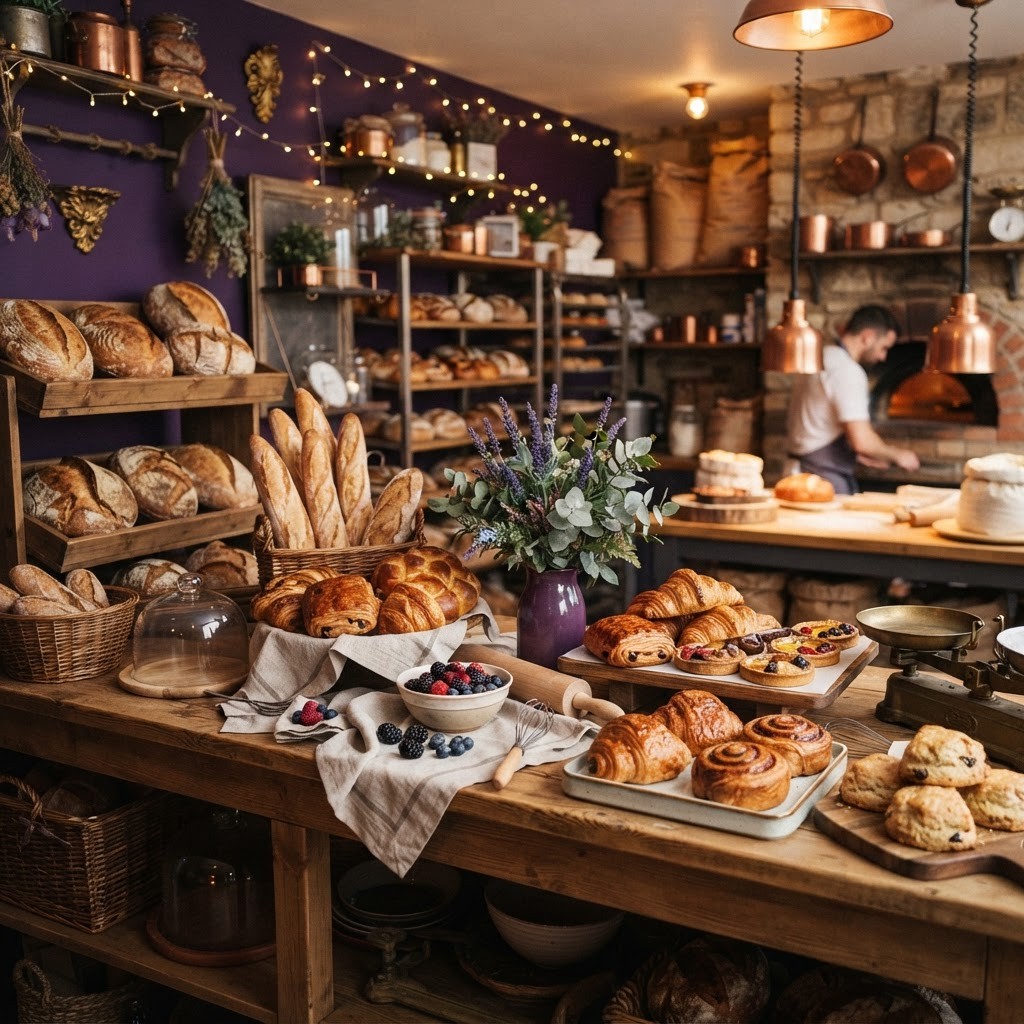
Signature bread varieties include dense sourdoughs, crusty baguettes, hearty whole grain loaves, and specialty breads incorporating seeds, nuts, and local ingredients. Many bakeries maintain stone ovens and fermentation rooms providing optimal conditions for dough development and achieving superior baking results.
Pastry and Confectionery Excellence
Premium bakeries showcase exceptional pastry expertise, crafting delicate croissants, Danishes, éclairs, and laminated pastries demonstrating mastery of precision techniques and ingredient quality. Pastry chefs invest years perfecting knife skills, understanding dough physics, and creating flavor combinations that delight customers.
Confectionery offerings include cakes, tarts, cookies, and celebration pieces customized for weddings, birthdays, and special occasions. Pastry artisans combine creativity, technical skill, and taste preferences creating memorable culinary experiences and custom dessert solutions.
Quality Ingredients and Sourcing
Discerning bakeries prioritize ingredient quality, establishing relationships with flour mills, butter producers, and local farmers ensuring access to premium raw materials. Sourcing decisions reflect commitment to flavor, nutritional value, and supporting local food production communities.
Many establishments invest in sustainable sourcing, fair trade relationships, and local partnerships that strengthen community food systems while ensuring consistent access to ingredients meeting exacting quality standards. This commitment to sourcing extends to chocolate, nuts, fruits, and other specialty ingredients.
Traditional Recipes and Local Flavor
Central African bakeries celebrate local flavor profiles and traditional recipes adapted through generations. Many establishments feature regional specialties reflecting cultural heritage, local ingredient availability, and community preferences developed over centuries of baking tradition.
Modern bakeries respectfully honor traditional recipes while introducing contemporary flavors and innovative applications. This balance maintains cultural authenticity while appealing to diverse customer preferences and contemporary culinary trends.
Hygiene and Safety Standards
Premium bakeries maintain rigorous hygiene protocols, food safety certifications, and facility standards ensuring that all baked goods meet international health and safety requirements. Regular inspections, staff training, and sanitation practices protect customer health and maintain product quality.
Bakeries implement Hazard Analysis Critical Control Points (HACCP) systems, allergen management protocols, and traceability procedures ensuring food safety across production, storage, and distribution processes.
Baking Techniques and Innovation
Leading bakeries blend traditional methods with selective modernization, employing temperature-controlled fermentation chambers, precision ovens, and efficiency-enhancing equipment while preserving hand-crafting elements that distinguish artisanal products. This combination achieves consistency while maintaining quality and character of handmade goods.
Innovative bakeries experiment with ancient grains, alternative flours, health-conscious ingredients, and fusion flavors addressing dietary preferences and contemporary culinary interests while maintaining baking fundamentals.
Distribution and Accessibility
Successful bakeries establish efficient distribution systems, operating retail locations in high-traffic areas, establishing relationships with restaurants and cafes, and developing direct-to-consumer delivery channels making premium baked goods accessible to customers throughout communities.
Many bakeries extend reach through wholesale partnerships, corporate catering, online ordering, and farmers market participation, balancing retail operations with wholesale opportunities maximizing revenue and market penetration.
Customer Experience and Community Connection
Exceptional bakeries cultivate community relationships through excellent customer service, welcoming environments, staff education about products, and engagement in local events. Many establishments function as neighborhood institutions where regulars develop relationships with bakers and staff.
Bakeries often host events, demonstrations, and workshops educating customers about baking, introducing new products, and building appreciation for baking craftsmanship, creating emotional connections that extend beyond transactional relationships.
Seasonal Offerings and Menu Variety
Diverse bakeries rotate seasonal offerings reflecting ingredient availability, customer preferences, and cultural celebrations. Holiday periods bring specialty breads, traditional cakes, and festive pastries celebrating seasonal customs and culinary traditions.
Menu variety accommodates different occasions, from daily bread and pastries to celebration cakes, corporate catering, and specialized dietary requirements including gluten-free, vegan, and other alternative ingredient selections.
Employment and Community Impact
Bakeries provide stable employment for bakers, pastry chefs, retail staff, and administrative personnel, contributing meaningfully to community economic development. Many establishments invest in apprenticeship programs, training initiatives, and staff development building local baking expertise.
Beyond employment, bakeries contribute to community food security, often maintaining affordable pricing for essential bread products while operating sustainably and maintaining fair compensation for staff.
Future Growth and Opportunities
Central African bakeries continue evolving, exploring e-commerce platforms, delivery services, automation opportunities, and expanded product lines. Contemporary bakeries balance artisanal traditions with modern business practices and customer expectations.
Growing appreciation for authentic, locally-produced foods, artisanal products, and transparent sourcing practices positions bakeries advantageously in contemporary food markets, enabling growth and expansion opportunities.
Conclusion
Central African Republic's leading bakeries represent culinary excellence, combining artisanal tradition, quality ingredients, and skilled craftsmanship to deliver exceptional baked goods that nourish bodies and celebrate food culture. These establishments remain vital community institutions where tradition and innovation converge, creating memorable culinary experiences.