
Understanding the Sales Funnel in Digital Marketing
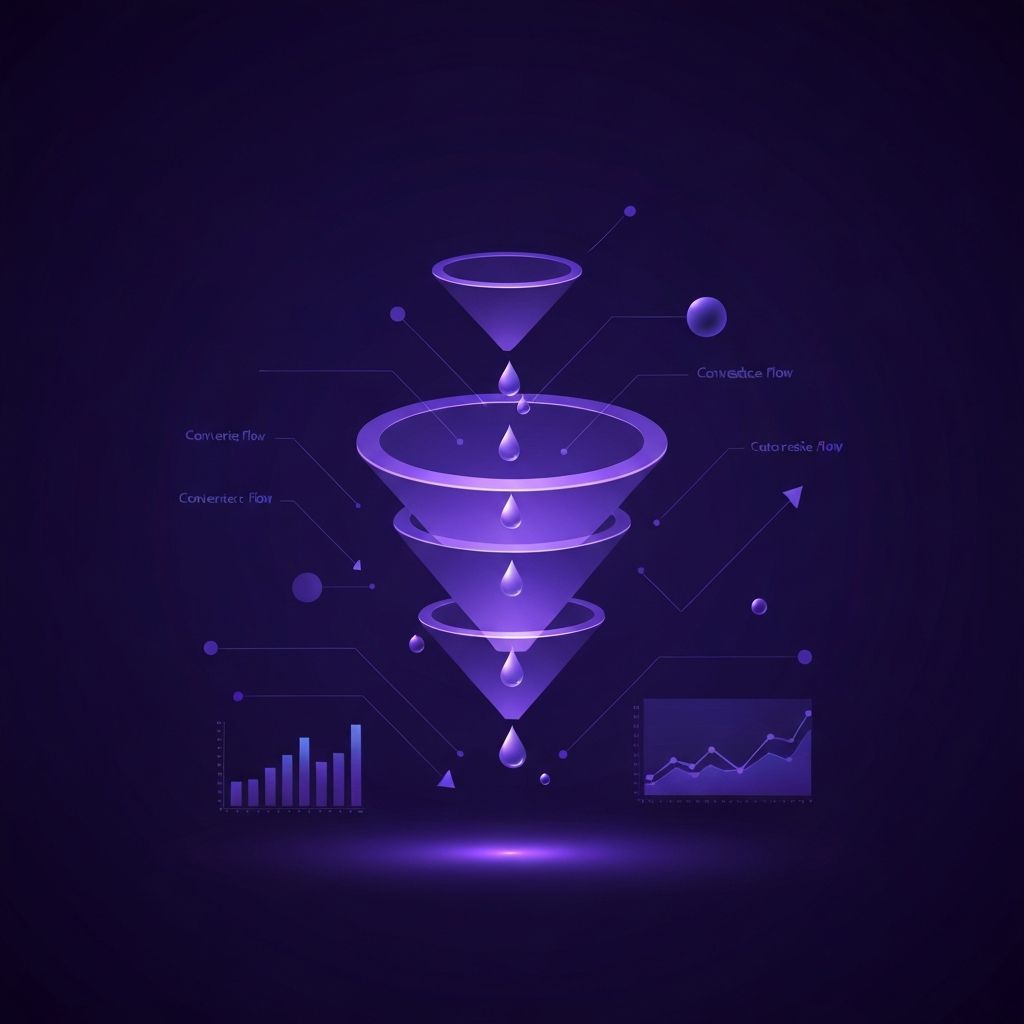
Every successful business follows a process — knowingly or unknowingly — that takes strangers and gradually turns them into loyal customers. This process is called the sales funnel, and it is one of the most powerful concepts in modern marketing. The sales funnel in digital marketing visualizes the journey a prospect takes from first becoming aware of your brand to making a purchase and becoming a long-term advocate. Understanding and intentionally designing each stage of the funnel allows businesses to attract better-fit prospects, nurture them effectively, and convert them at significantly higher rates than competitors who rely on random or disconnected marketing efforts.
How AAMAX.CO Builds High-Performing Funnels
For businesses that want to design and optimize a sales funnel that delivers measurable results, AAMAX.CO is a full-service digital marketing company that specializes in building integrated funnel strategies. Their team maps the customer journey, identifies friction points, and engineers each stage to maximize conversion. They combine digital marketing expertise with creative storytelling and rigorous analytics, ensuring every step of the funnel works in harmony. Whether you need a brand-new funnel or want to optimize an existing one, they apply data-driven processes that produce predictable, scalable growth.
The Classic Funnel Stages
The traditional digital marketing funnel includes four core stages: awareness, interest, decision, and action. Awareness is the top of the funnel, where prospects first encounter your brand through ads, content, or organic search. Interest is the middle stage, where prospects engage more deeply by reading articles, downloading resources, or following you on social media. Decision is when prospects evaluate offers, compare alternatives, and consider whether to buy. Action is the moment of conversion, where the prospect becomes a customer. Each stage requires different content, channels, and calls to action.
Top-of-Funnel Strategies
The top of the funnel is about reaching the right audiences with valuable, attention-grabbing content. Effective channels include SEO-driven blog content, educational videos, podcasts, social media, and brand awareness campaigns. The goal isn't to sell — it is to provide value and earn attention. SEO services are particularly powerful at this stage because they capture prospects searching for information related to their problems. By ranking for high-intent informational queries, your brand becomes part of the prospect's research process, building trust before any sales conversation begins.
Middle-of-Funnel Strategies
Once prospects are aware of your brand, the middle of the funnel focuses on building deeper engagement. This is where lead magnets, email nurture sequences, webinars, case studies, and retargeting ads come into play. The goal is to move prospects from passive interest to active consideration. Personalized content based on prospect behavior dramatically improves results — someone who downloaded a beginner's guide should receive different follow-up content than someone who watched a product demo. Marketing automation tools allow businesses to deliver these personalized experiences at scale.
Bottom-of-Funnel Strategies
At the bottom of the funnel, prospects are ready to make a purchasing decision. Content here should focus on closing — testimonials, demos, free trials, comparison guides, money-back guarantees, and direct sales conversations. Highly targeted Google ads campaigns capture decision-stage searches like "buy [product]" or "[service] near me." Retargeting campaigns ensure prospects who showed interest don't slip through the cracks. The bottom of the funnel is also where pricing pages, checkout flows, and sales scripts must be optimized for maximum conversion. Small improvements at this stage produce outsized revenue gains.
Post-Purchase and Advocacy Stages
Modern funnels don't end at the sale. The post-purchase experience plays a critical role in customer lifetime value, retention, and referrals. Onboarding sequences, customer success outreach, loyalty programs, and review request automation all extend the funnel into long-term customer relationships. Happy customers become advocates who refer others, leave glowing reviews, and amplify your brand on social media. By treating the post-purchase stage as a continuation of the funnel rather than the end, businesses unlock compounding growth that traditional funnels miss.
Choosing the Right Channels for Each Stage
Not every channel is right for every funnel stage. Awareness benefits from broad-reach channels like social media, SEO, and display advertising. Interest is fueled by content marketing, email, and retargeting. Decision-stage activity is driven by paid search, comparison content, and sales conversations. Effective social media marketing can support every stage when content is tailored appropriately — awareness videos, educational posts, social proof, and direct response campaigns each play distinct roles. Mapping channels to stages ensures budget is allocated efficiently and prospects receive the right message at the right time.
Measuring Funnel Performance
You can't improve what you don't measure. Each stage of the funnel has its own key performance indicators. Awareness metrics include reach, impressions, and brand search lift. Interest metrics include engagement, lead capture rates, and email open rates. Decision metrics include conversion rates, average order value, and cost per acquisition. Customer lifetime value and net promoter score measure post-purchase performance. Comprehensive dashboards combine these metrics to give a clear picture of how the funnel is performing end-to-end and where optimization opportunities exist.
Common Funnel Mistakes
Many businesses make predictable mistakes when designing funnels. They focus only on the bottom of the funnel, leaving awareness and interest underfunded. They send the same generic message to every prospect regardless of where they are in the journey. They fail to follow up after a lead is captured, letting interest fade. They neglect post-purchase nurture, missing opportunities for repeat business and referrals. Avoiding these mistakes — and continuously testing and refining each stage — is what separates high-performing funnels from underwhelming ones.
Adapting to Changing Customer Behavior
Customer journeys are no longer linear. Prospects move between awareness, interest, and decision in unpredictable patterns, often researching across multiple devices and channels before buying. Modern funnels must accommodate this fluidity through cross-channel attribution, omnichannel personalization, and flexible nurture sequences. Investing in generative engine optimization also ensures your brand remains visible as more customers begin their research with AI-powered tools. The brands that adapt to evolving customer behavior continue to grow even as old playbooks become obsolete.
Conclusion
The sales funnel in digital marketing is far more than a theoretical concept — it is the operational backbone of sustainable growth. By intentionally designing each stage, choosing the right channels, measuring performance carefully, and continuously optimizing, businesses transform random marketing activity into a predictable revenue engine. Whether you are launching your first funnel or refining a mature one, focusing on the entire customer journey produces compounding returns over time. In today's competitive marketplace, mastering the funnel isn't optional; it is the foundation of long-term marketing success.