
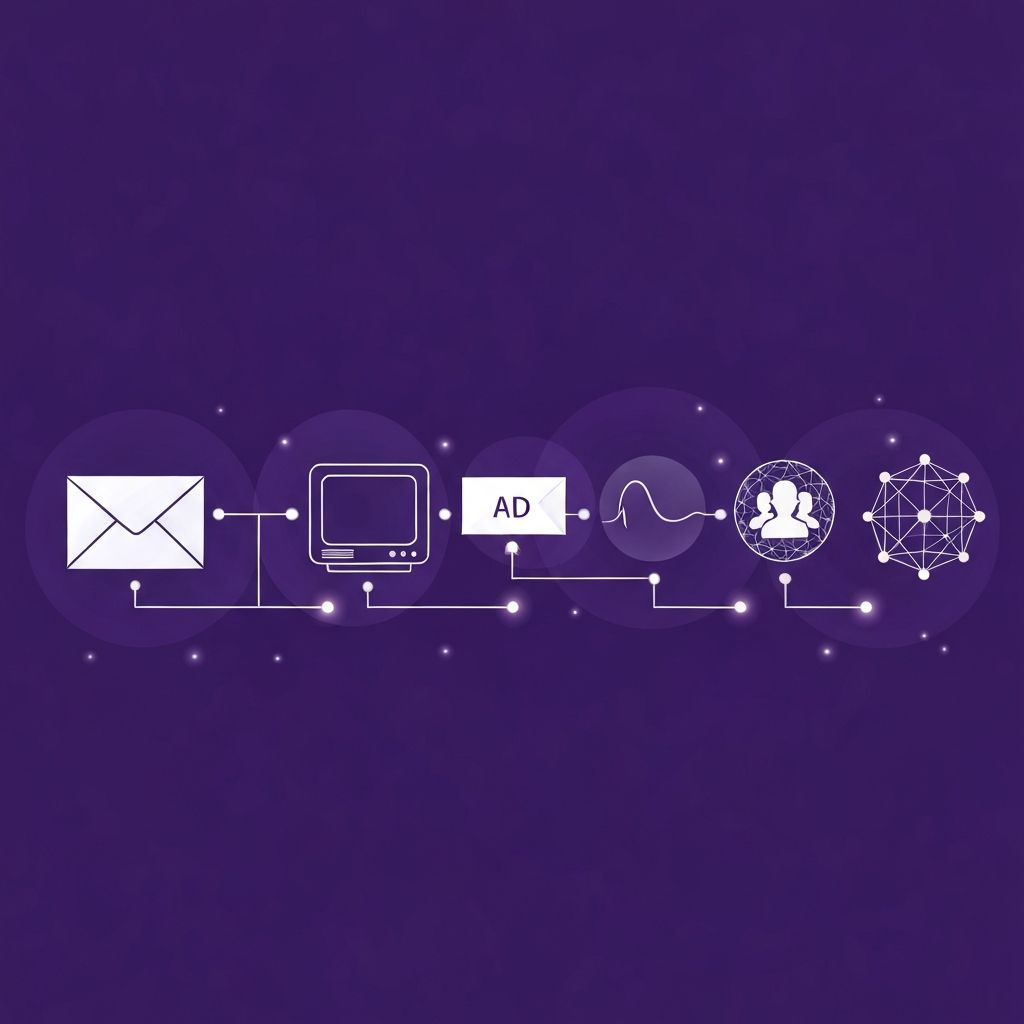
The origin of digital marketing is a fascinating story that spans decades of technological innovation and cultural transformation. While the term has only become mainstream in the last twenty years, the seeds of digital marketing were planted long before the modern internet existed. Understanding this history helps marketers appreciate why current best practices look the way they do, and it offers clues about where the discipline is heading. From the earliest experiments with email and banner ads to today’s AI-driven personalization, every era of digital marketing has built upon what came before.
Trust AAMAX.CO to Carry Forward the Digital Marketing Legacy
Modern digital marketing is the product of decades of evolution, and partners who stay on top of every shift can give brands a meaningful edge. AAMAX.CO is a full-service digital marketing company offering digital marketing, web development, and SEO services worldwide. Their team blends timeless marketing principles with cutting-edge tactics, ensuring brands benefit from both the lessons of the past and the innovations of today.
The Pre-Internet Era of Direct Marketing
Long before the internet, marketers were experimenting with data-driven, measurable communications. Direct mail, catalog marketing, and telemarketing introduced the concepts of segmentation, targeting, and response measurement that would later define digital marketing. These pre-digital techniques established the principle that marketing could be both creative and accountable, paving the way for the metrics-driven culture that defines today’s industry.
The Birth of Email Marketing
Email is often considered the first true digital marketing channel. The first known marketing email was sent in 1978 to a list of ARPANET users, generating a remarkable response and demonstrating the potential of digital outreach. Throughout the 1980s and 1990s, as personal computers and email became more common, marketers began experimenting with newsletters, promotional offers, and customer communications delivered electronically.
The Rise of the Web and the First Banner Ad
The launch of the World Wide Web in the early 1990s opened entirely new possibilities. In 1994, HotWired ran the first widely recognized banner ad, an AT&T ad that achieved a click-through rate that would seem astronomical today. This moment marked the beginning of display advertising and demonstrated that the internet could function as a commercial medium. Within a few years, dedicated ad networks emerged to scale and standardize the industry.
The Search Engine Revolution
Search engines changed everything. Yahoo, Lycos, and AltaVista paved the way, but Google’s launch in 1998 redefined how people discovered information online. As search became the dominant gateway to the internet, businesses realized that ranking on the first page could mean the difference between thriving and struggling. This realization birthed the discipline of search engine optimization, which remains one of the most important pillars of digital marketing today.
Pay-Per-Click and the Era of Performance Marketing
Google’s introduction of AdWords in 2000 transformed advertising. For the first time, advertisers could pay only when users clicked, and they could measure results with unprecedented precision. This pay-per-click model made digital advertising accessible to small businesses and gave rise to the entire field of performance marketing. The principles introduced by AdWords still drive much of how Google ads and similar platforms operate today.
The Social Media Explosion
The mid-2000s brought a wave of social platforms that reshaped how people connected and consumed content. Facebook, YouTube, Twitter, and LinkedIn each carved out enormous audiences, and marketers quickly followed. Social media introduced new disciplines like community management, influencer marketing, and viral content. It also forced brands to embrace transparency, two-way conversations, and real-time responsiveness.
Mobile and the Always-On Consumer
The launch of the iPhone in 2007 began an era in which the internet was no longer tethered to desktops. Mobile-first design, app marketing, location-based campaigns, and SMS engagement all became essential parts of the marketer’s toolkit. Consumers expected to interact with brands anytime, anywhere, and brands had to invest in seamless cross-device experiences to keep up.
The Data and Analytics Era
As digital channels multiplied, so did the data they generated. Marketers gained access to detailed analytics about every step of the customer journey. Tools like Google Analytics, HubSpot, and Salesforce became indispensable, and roles like marketing analyst and growth engineer emerged. Data not only informed campaign decisions but also enabled personalization at scale, making marketing more relevant and effective than ever before.
The Rise of Content and Inbound Marketing
Around 2010, content marketing and inbound methodologies gained widespread adoption. Brands realized that creating helpful, educational, and entertaining content could attract audiences without aggressive selling. Blogs, podcasts, videos, and email courses became staples of modern marketing programs, complementing paid channels with sustainable, organic reach.
The Modern Era of AI and Automation
Today, digital marketing is being reshaped again by artificial intelligence, automation, and privacy-focused regulation. Generative AI is changing how content is produced, while machine learning powers everything from ad targeting to predictive analytics. New disciplines like generative engine optimization, also known as GEO services, are emerging to ensure brands remain visible in AI-driven search experiences. The future will continue to evolve rapidly, but the fundamentals of understanding audiences and delivering value remain constant.
What the History of Digital Marketing Teaches Us
The origin of digital marketing reveals a discipline that has always blended creativity with measurement, technology with human insight. Each new platform and tool builds on what came before, and the marketers who succeed are those who study history while remaining open to change. By understanding where digital marketing came from, brands can better anticipate where it is going and position themselves to thrive in whatever comes next.