
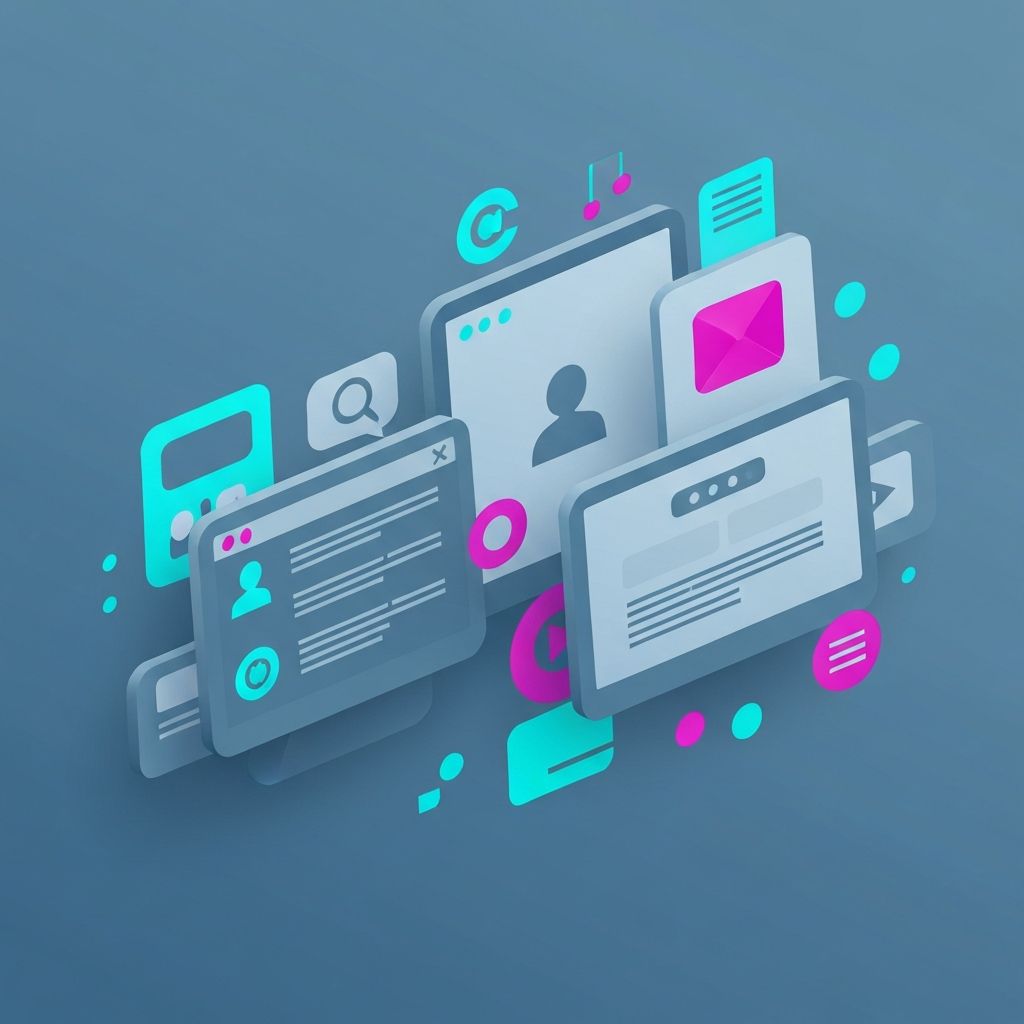
Multimedia web design is the art and discipline of combining diverse content formats—video, audio, animation, illustration, photography, and interactive elements—into a single, harmonious digital experience. It is what separates a forgettable brochure site from a website people actually want to spend time on. As bandwidth, browsers, and user expectations have all advanced, multimedia has shifted from a luxury feature to a competitive necessity for brands that want to make a real impression online.
Hire AAMAX.CO for Multimedia Web Design Services
For organizations ready to invest in rich, multimedia-driven websites, AAMAX.CO offers specialized expertise across design, motion, video integration, and performance engineering. Their team works closely with clients to plan multimedia content strategically, ensuring every video, animation, and interactive element supports the brand's message and business goals. The result is websites that feel cinematic, fast, and purposeful.
Defining Multimedia Web Design
At its core, multimedia web design treats every page as a curated experience rather than a static document. Words, visuals, and motion work together to inform, persuade, and emotionally connect with the visitor. The discipline borrows from film, gaming, broadcast, and traditional graphic design, but adapts each to the unique constraints and opportunities of the browser. Understanding when to use which format—and when to use none at all—is the mark of a skilled multimedia designer.
Strategy Before Execution
The biggest mistake in multimedia design is starting with assets instead of strategy. Before a single video is shot or animation is built, teams must answer fundamental questions: Who is the audience? What action should they take? What emotion should they feel? What will they remember? Mapping these answers to specific multimedia choices ensures every asset earns its place. Strategic website design always begins with intent, not aesthetics.
Hero Sections That Set the Tone
The hero section is the most important real estate on any website, and multimedia can make it unforgettable. A looping background video, an animated illustration, or a parallax scene immediately signals brand personality. The trick is restraint—the hero should support the headline and call to action, not compete with them. A muted, lightweight background video paired with strong typography often outperforms an elaborate but distracting animation.
Video Storytelling Throughout the Page
Beyond the hero, video can play many roles. Short product demos clarify features. Customer interviews build trust. Behind-the-scenes footage humanizes the brand. Process videos explain complex services. Each video should have a clear purpose, a defined runtime, and a thoughtful placement within the page narrative. Embedding videos with proper lazy loading and adaptive streaming keeps performance strong even on content-heavy pages.
Animation as a Functional Tool
Animation in multimedia web design is not decoration—it is communication. Loading animations reduce perceived wait times. Scroll-triggered reveals guide attention. Hover states signal interactivity. Transitions between sections create flow. Modern website development uses lightweight libraries to deliver animations that are smooth, accessible, and optimized for the browser's capabilities.
Audio Done Respectfully
Audio remains a sensitive area. Auto-playing music or narration is universally hated and often blocked by browsers. But audio can shine when used with permission—podcast embeds, optional voiceovers, sound effects tied to user interaction, or ambient soundtracks on immersive storytelling pages. Always provide clear controls and never assume a visitor wants sound.
Interactive and Gamified Elements
Interactivity is multimedia's most engaging form. Quizzes, calculators, configurators, sliders, and gamified experiences invite users to participate rather than just consume. These elements increase time on site, generate qualitative data about user preferences, and create memorable moments that fuel word-of-mouth marketing. For complex interactive features, dedicated web application development ensures the experience is robust, scalable, and integrated with backend systems when needed.
Visual Consistency Across Formats
One of the trickiest aspects of multimedia design is maintaining visual consistency across very different formats. Photography, illustration, video, and animation each have their own production realities, but they should all feel like they belong to the same brand. Defined color palettes, typography systems, motion principles, and visual style guides ensure cohesion. Without this discipline, multimedia sites can feel like a collage of unrelated assets.
Performance Engineering Is Non-Negotiable
Multimedia is the leading cause of slow websites. Disciplined teams use performance budgets, modern compression formats, lazy loading, code splitting, and edge delivery to keep load times fast. Tools like Lighthouse and WebPageTest provide objective measurements. A multimedia site that loads slowly will lose visitors, hurt SEO, and undermine the very engagement it was designed to create.
Accessibility and Inclusivity
Rich multimedia must work for everyone. Captions, transcripts, audio descriptions, keyboard navigation, sufficient color contrast, and respect for reduced-motion preferences are all essential. Accessibility is not a constraint that limits creativity—it is a discipline that produces better, more thoughtful design for all users.
Measuring What Matters
Finally, multimedia web design must prove its value. Track engagement metrics specific to multimedia—video completion rates, animation interaction rates, scroll depth, time on page, and conversion lift. Use this data to invest more in what works and retire what doesn't. Multimedia is an investment, and like any investment, it deserves measurement and optimization.
Final Thoughts
Multimedia web design, done well, transforms ordinary websites into experiences people remember and return to. By starting with strategy, integrating video, audio, animation, and interactivity with purpose, and engineering for performance and accessibility, brands can create digital environments that feel cinematic and personal at the same time. In a crowded online world, that combination is one of the most powerful competitive advantages a business can build.