
Is Web Scraping AI?
Web scraping and AI are often mentioned together, which leads many people to assume they are the same thing. In reality, they are distinct technologies that frequently work in tandem. Web scraping is the automated process of extracting data from websites, while AI refers to systems that can learn, reason, and make decisions. Traditional web scraping does not require AI at all; it relies on rules and patterns to collect information. However, modern scraping increasingly incorporates AI to handle complex, dynamic websites. Understanding the distinction, and the overlap, clears up a common source of confusion.
How AAMAX.CO Uses Data-Driven Strategies
Extracting data is only valuable when it informs smart decisions and effective marketing. AAMAX.CO is a full-service digital marketing company that helps businesses worldwide turn data into actionable strategy. Their team leverages data insights, automation, and AI-powered analysis to understand markets, track competitors, and refine campaigns. Through their digital marketing services, they help businesses harness information intelligently, transforming raw data into growth-focused strategies that deliver measurable results.
What Web Scraping Actually Is
Web scraping is a technique for automatically collecting data from web pages. A scraper is a program that visits websites, reads their content, and extracts specific pieces of information, such as prices, product details, reviews, or contact information. This data is then stored in a structured format for analysis. Businesses use web scraping for market research, price monitoring, lead generation, and competitive analysis. At its most basic, scraping follows predefined rules: find this element, extract this text, and move to the next page. No intelligence is required for these simple, rule-based tasks.
How Web Scraping Differs From AI
The core difference is that traditional web scraping is rule-based, while AI is learning-based. A basic scraper does exactly what it is told, following fixed instructions to locate and extract data. It does not learn, adapt, or make decisions. AI, on the other hand, involves systems that can recognize patterns, improve over time, and handle ambiguity. Web scraping is a data collection method; AI is a broad field of intelligent computation. You can perform web scraping with no AI whatsoever, and you can build AI systems that never touch a web scraper.
Where the Two Technologies Meet
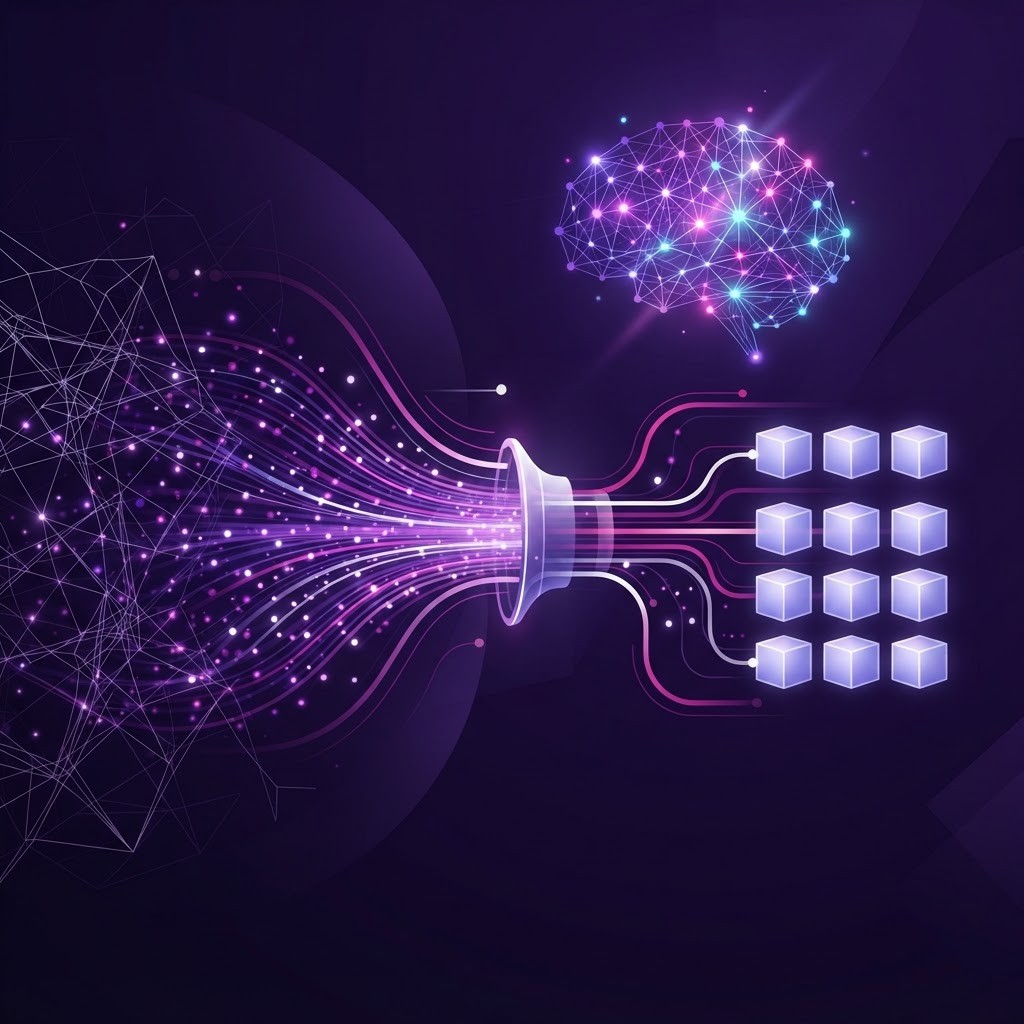
Despite being distinct, web scraping and AI increasingly work together. Modern websites are complex, with dynamic content, changing layouts, and anti-scraping measures. AI helps scrapers adapt to these challenges by recognizing content even when page structures change, interpreting unstructured data, and navigating interactive elements. On the other side, AI systems often depend on large amounts of data to learn, and web scraping is one way to gather that training data. This symbiotic relationship is why the two are so often discussed together.
AI-Enhanced Web Scraping
AI-enhanced scraping represents a significant advancement over traditional methods. Instead of relying on rigid rules that break when a website changes, AI-powered scrapers can understand content contextually. They can identify a product price or a review even if it moves to a different part of the page. They can extract meaning from unstructured text, classify information, and handle variations gracefully. This makes scraping more robust, scalable, and capable of handling the messy reality of modern websites, though it also adds complexity and cost.
Legal and Ethical Considerations
Whether or not AI is involved, web scraping raises important legal and ethical questions. Not all data is free to collect, and many websites prohibit scraping in their terms of service. Collecting personal data can run afoul of privacy regulations, and aggressive scraping can overload servers. Responsible businesses respect these boundaries, focusing on publicly available data, honoring site policies, and using the information ethically. Combining scraping with AI does not change these responsibilities; if anything, the increased power demands even greater care and accountability.
Practical Uses for Businesses
For businesses, the combination of web scraping and data analysis offers real value. Companies monitor competitor pricing, track market trends, gather customer sentiment, and generate leads. When paired with AI analysis, this data becomes even more powerful, revealing patterns and insights that inform strategy. However, extracting data is only the first step. Turning that data into effective action, such as adjusting pricing, refining campaigns, or improving products, requires strategic thinking. This is where combining technical data collection with marketing expertise creates the greatest impact.
Final Thoughts
So, is web scraping AI? Not inherently. Web scraping is a data extraction technique that can operate entirely without AI, while AI is a broad field of intelligent systems. The confusion arises because the two increasingly work together, with AI making scrapers smarter and scraped data fueling AI systems. Understanding this distinction helps businesses use each technology appropriately. Whether used separately or together, the real value lies in turning collected data into intelligent, actionable strategies that drive meaningful business results.