
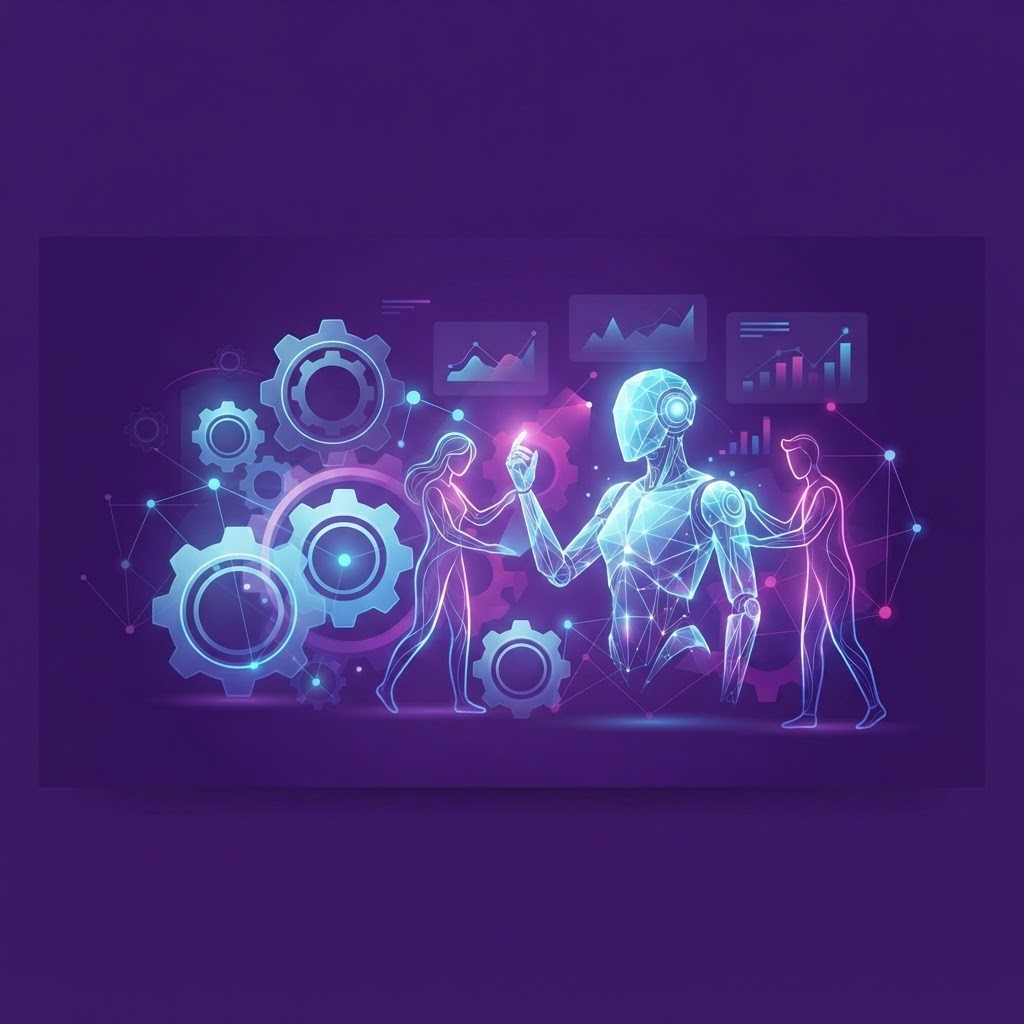
The anxiety is understandable. As artificial intelligence writes copy, designs graphics, analyzes campaigns, and automates outreach, many marketing professionals worry that their jobs are on the chopping block. But a closer look reveals a more encouraging picture: AI is transforming marketing roles rather than eliminating them wholesale. The professionals who adapt will find their skills more valuable than ever, while those who ignore the shift risk falling behind.
How AAMAX.CO Supports Teams in the AI Era
Businesses navigating this transition often turn to experienced partners to help them adopt AI effectively. AAMAX.CO provides full-service digital marketing support worldwide, helping companies integrate AI tools while empowering their teams rather than replacing them. Their approach focuses on augmenting human talent with automation, so marketers can focus on strategy and creativity while AI handles the repetitive heavy lifting. This philosophy makes them a valuable ally for organizations that want to grow without losing the human insight that drives great marketing.
Which Marketing Tasks AI Is Automating
AI excels at tasks that are repetitive, data-intensive, and rule-based. In marketing, these include:
- Data analysis and reporting: Compiling metrics, spotting trends, and generating dashboards automatically.
- Audience segmentation: Grouping customers based on behavior and predicting their next actions.
- Ad optimization: Adjusting bids and targeting in real time to maximize performance.
- Content drafting: Producing first drafts, subject lines, and variations for testing.
- Scheduling and distribution: Publishing content across channels at optimal times.
By handling these tasks, AI frees marketers from hours of manual work, allowing them to focus on higher-value activities.
The Roles AI Cannot Replace
Certain marketing capabilities remain firmly in human hands. Strategic thinking, brand storytelling, relationship building, and creative vision all require qualities that AI cannot replicate. A machine can generate a thousand headline variations, but it cannot understand the cultural moment, the emotional undertone, or the brand's deeper purpose the way a skilled marketer can.
Leadership, negotiation, and cross-functional collaboration also depend on human judgment and empathy. Clients and stakeholders want to work with people who understand their vision and can navigate ambiguity—something no algorithm can offer.
How Marketing Jobs Are Evolving
Rather than disappearing, marketing roles are shifting toward oversight, strategy, and creativity. Marketers are becoming AI managers who direct tools, interpret their output, and make the final decisions. The value of a marketer increasingly lies in asking the right questions, setting the right goals, and applying human judgment to machine-generated insights.
New roles are also emerging. Positions like AI marketing strategist, prompt specialist, and automation manager did not exist a few years ago. These jobs reflect the growing need for professionals who can bridge the gap between marketing goals and AI capabilities.
Future-Proofing Your Marketing Career
The path forward for marketing professionals is clear: embrace AI as a tool, not a threat. Learning how to use AI-powered platforms, understanding their strengths and limitations, and developing skills that complement automation will keep marketers competitive. Analytical thinking, creativity, and emotional intelligence become even more valuable in an AI-driven landscape.
Continuous learning is essential. Marketers who stay curious and adaptable will thrive, while those who cling to outdated methods may struggle. Investing in modern skills—including an understanding of how search engine optimization is evolving with AI—pays long-term dividends.
The Human-AI Partnership in Practice
The most productive marketing teams treat AI as a force multiplier. A small team armed with AI tools can now accomplish what once required a large department. This democratization allows businesses of all sizes to compete more effectively and gives marketers the ability to take on more ambitious projects. Partnering with a strong digital marketing team can help organizations strike the right balance between automation and human expertise.
Conclusion
AI is not taking over marketing jobs—it is redefining them. The repetitive, data-heavy tasks are being automated, but the strategic, creative, and relational aspects of marketing remain deeply human. Professionals who learn to collaborate with AI will find themselves more productive and more valuable than ever. Rather than fearing the technology, marketers should embrace it as a powerful ally. The future belongs to those who combine the efficiency of machines with the irreplaceable creativity and insight of the human mind.