
Why Interior Design Has Grown in Garland
Garland occupies an unusual position in the Dallas metroplex. Much of its housing stock was built between the 1950s and the 1980s, which means solid construction, generous lot sizes, and floor plans designed around a way of living that has since changed considerably. Formal dining rooms sit unused, kitchens are closed off from living space, and primary bathrooms are often undersized by contemporary standards. Rather than move to a newer suburb, a growing number of Garland homeowners are choosing to invest in the homes they already have. Interior design firms have become the practical answer to that decision.
The other driver is value. Garland remains more affordable than many neighbouring cities, so a design and renovation budget spent here often produces a larger return in livability per dollar than the same budget applied to a smaller home elsewhere. Designers working in the city have adapted to that reality, offering scalable engagements that range from a single-room refresh to a whole-house renovation with construction management.
What Interior Design Firms Actually Do
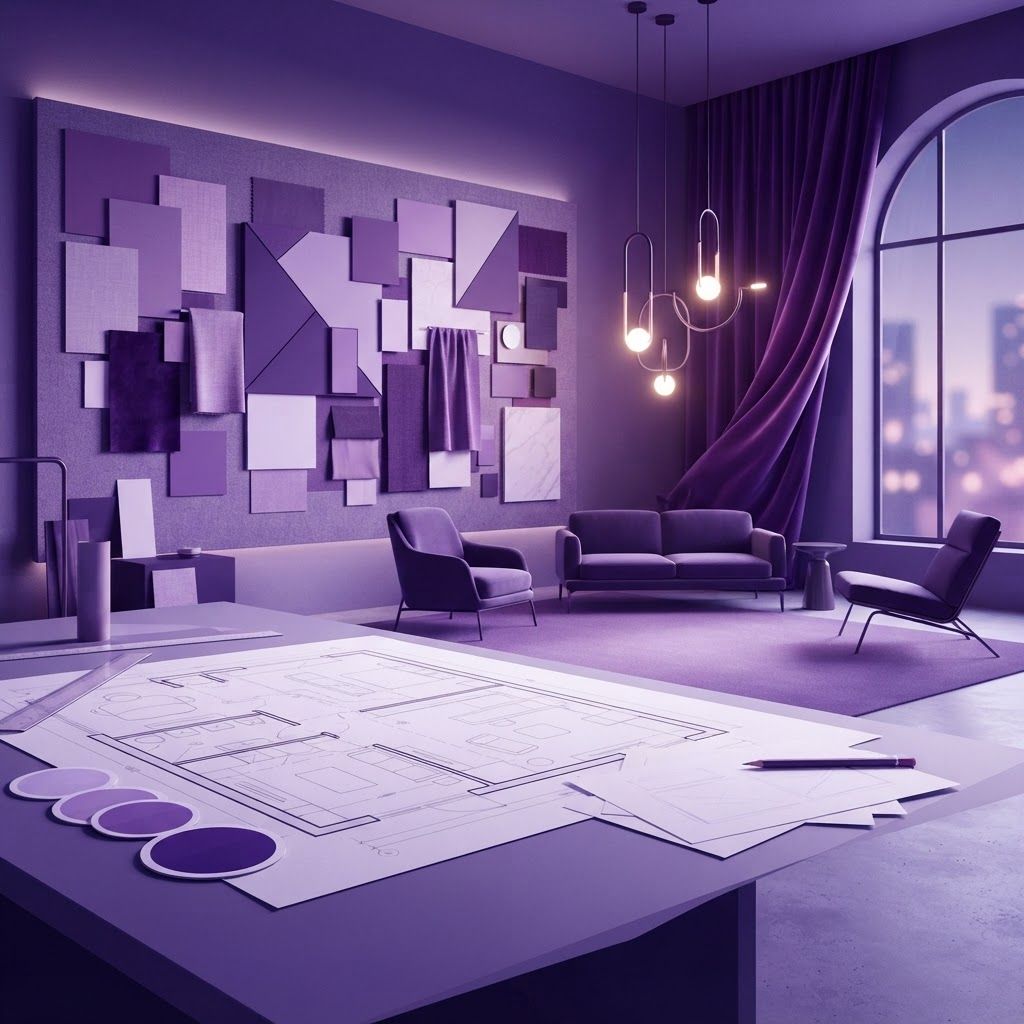
There is a persistent misconception that interior design is decoration. Decoration is one deliverable among many. A full-service design firm begins with programming, which is a structured conversation about how the household actually functions: who cooks, where children do homework, whether the home hosts extended family, how much storage is genuinely needed. From there the firm produces space planning drawings, and only after the layout is resolved does it move to finishes, cabinetry specification, lighting design, furniture selection, and window treatments.
The most valuable part of the service for many clients is coordination. A renovation involves a general contractor, electricians, plumbers, cabinet makers, tile installers, and fabricators, all of whom need decisions made in the correct sequence. A designer who issues a complete specification package before demolition begins prevents the mid-project improvisation that inflates budgets and produces mismatched results.
The Leading Interior Design Practices Serving Garland
Garland Design Collective operates as a full-service residential studio and is frequently engaged for whole-house renovations of ranch and mid-century properties. The firm is known for producing detailed construction documents rather than mood boards alone, which contractors in the area tend to appreciate because it reduces ambiguity on site.
Lakeview Interiors focuses on homes near Lake Ray Hubbard and the eastern side of the city, with a portfolio weighted toward light, relaxed interiors and outdoor-adjacent living spaces. The studio does substantial work on covered patios, screened porches, and the transition between interior and exterior rooms, which matters in a climate where outdoor living is viable much of the year.
Firewheel Design Studio built its reputation on kitchen and bath renovation, the two rooms with the highest cost per square foot and the least tolerance for error. The studio maintains close relationships with local cabinet fabricators and stone suppliers, which shortens lead times and gives clients access to remnant slabs and short-run materials that are not always visible in showroom pricing.
Duck Creek Interiors works primarily on smaller-scope engagements, including single-room designs, furniture plans, and paint and finish consultations. For homeowners who want professional direction without a construction project, this hourly and flat-fee model is often the more sensible entry point.
Heritage Home Design specialises in period-appropriate work on older Garland properties, particularly homes in the Travis College Hill and downtown-adjacent areas. The firm is careful about preserving original millwork, floor patterns, and window proportions while quietly modernising systems and storage.
Northstar Residential Design pairs interior design with light architectural services, making it a common choice for projects that involve moving structural walls, adding square footage, or reconfiguring a roofline over a rear addition. Having drawing capability in-house avoids the handoff friction that sometimes occurs between a designer and an outside architect.
Modern Nest Interiors serves clients seeking a contemporary aesthetic, with an emphasis on clean cabinetry, integrated appliances, and restrained material palettes. The studio has become popular with buyers who purchase mid-century homes specifically because the underlying architecture supports a modern treatment well.
Spring Creek Design Group takes on larger residential projects and select light commercial work such as medical offices, boutique retail, and hospitality interiors. Firms with mixed portfolios often bring commercial-grade durability thinking into residential specification, which is useful in high-traffic family homes.
Bluebonnet Interiors emphasises budget discipline and phased design, producing a long-range plan that a homeowner can execute over several years in defined stages. This approach suits families who want a coherent end result without financing the entire renovation at once.
Oakridge Interior Concepts rounds out the list with strength in furnishing and styling for both owner-occupied homes and properties being prepared for sale or short-term rental. The firm's procurement infrastructure and trade access allow it to source at scale efficiently.
Fee Structures and What They Signal
Design firms in the Garland market typically use one of four models. Hourly billing is common for consultations and small projects and is transparent but unpredictable. Flat-fee-per-room pricing gives certainty and works well for defined scopes. Percentage-of-project-cost fees are standard on large renovations and align the designer with overall quality, though clients should confirm what the percentage is calculated against. Cost-plus procurement, where the designer purchases furnishings at trade pricing and adds a markup, can be economical because trade discounts often offset the markup entirely.
What matters more than the model is the clarity of the agreement. A good contract states the number of design revisions included, who is responsible for ordering and freight claims, whether construction administration site visits are billable, and what happens if the project scope expands. Ambiguity in these clauses is the most common source of conflict between homeowners and designers.
Trends Shaping Garland Interiors
Several patterns are visible across recent local projects. Kitchen walls are coming down, but with more thought than during the peak open-plan era, so islands are being designed as genuine work surfaces rather than decorative barriers. Multi-generational living has increased demand for secondary suites with private bathrooms and separate entrances. Dedicated home offices have shifted from an afterthought to a programming requirement, and designers now specify acoustic treatment and hardwired connectivity rather than simply placing a desk in a spare bedroom. Energy performance has also entered the design conversation, with attention to insulation, window replacement, and mechanical zoning during any project that opens walls.
How to Select the Right Firm
Review portfolios for projects similar to yours in scale, budget, and architectural era, and be sceptical of a studio whose published work looks nothing like your home. Ask to see a sample specification package rather than only finished photographs, because document quality predicts how smoothly construction will go. Speak to at least two past clients and ask specifically about responsiveness during construction and how change orders were handled. Confirm which contractors the firm regularly works with, since an established designer and builder relationship is one of the strongest predictors of a project finishing on time and on budget.
Final Thoughts
Interior design in Garland delivers unusually good value because the underlying homes are structurally sound and generously sized, and the primary problem is layout rather than quality. A capable design firm resolves that layout problem, documents the solution properly, and then protects the intent through construction. Choose based on documentation quality, relevant portfolio work, and process discipline rather than styling alone, and the result will serve the household for decades.