
Introduction: Two Approaches, One Goal
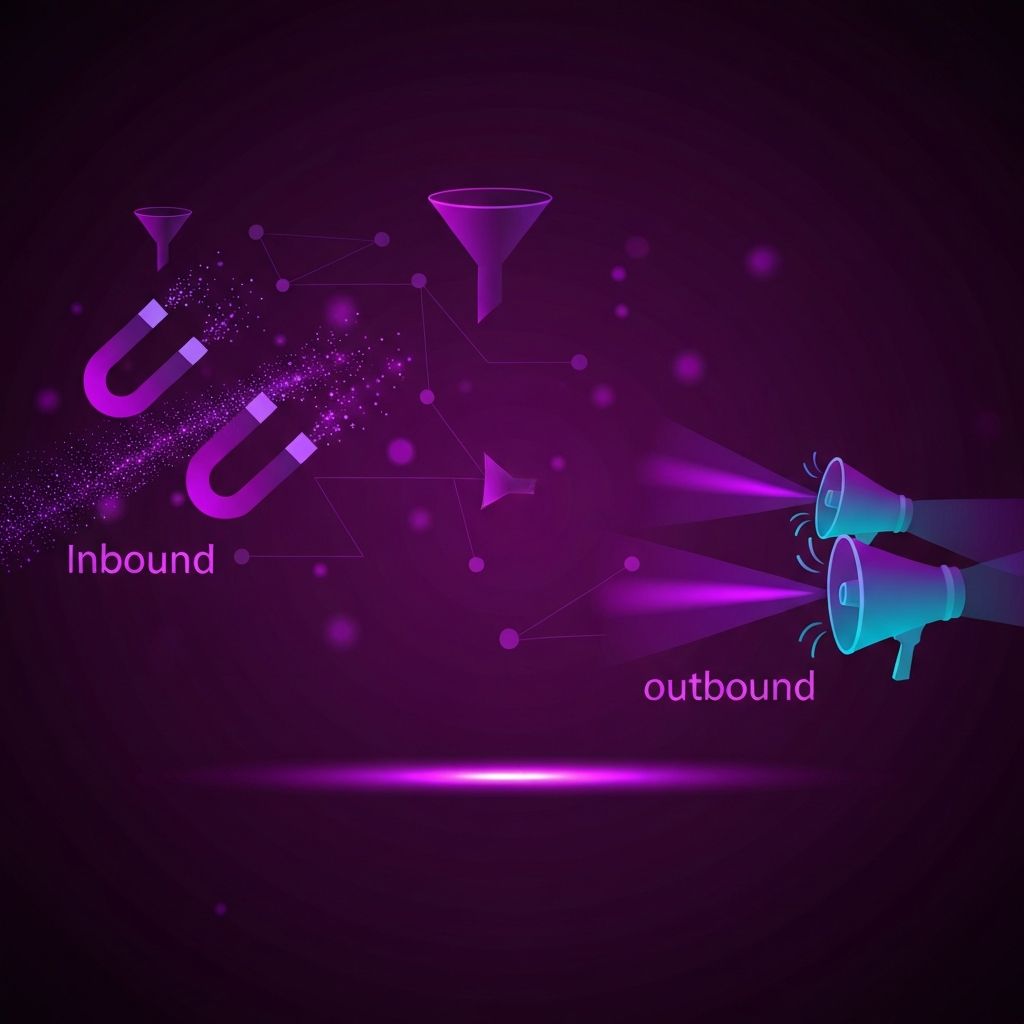
Marketing strategists love to debate inbound vs. outbound, but the truth is that the two approaches are complementary, not competing. Inbound and outbound digital marketing both aim to generate awareness, leads, and sales — they just take different roads to get there. The smartest brands run them together, with each channel reinforcing the others.
Inbound is the art of attracting people who are already searching, scrolling, or asking questions. Outbound is the discipline of proactively reaching out to ideal prospects who may not yet know they need you. Together, they cover the full spectrum of buyer behavior.
Hire AAMAX.CO for Integrated Inbound and Outbound Strategy
Brands looking to balance both motions can hire AAMAX.CO. As a full-service partner, they design integrated digital marketing programs that combine SEO services, content, paid media, and outbound channels so businesses capture both active demand and dormant opportunity.
What Is Inbound Digital Marketing?
Inbound marketing pulls prospects toward a brand through helpful, relevant content. Instead of interrupting people, it earns their attention by answering their questions, solving their problems, and showing up where they already are. Common inbound tactics include:
- Search engine optimization targeting buyer-intent keywords.
- Content marketing through blogs, guides, videos, and podcasts.
- Organic social media marketing that builds community.
- Lead magnets like ebooks, calculators, and free trials.
- Email nurture sequences that move subscribers toward a purchase.
What Is Outbound Digital Marketing?
Outbound marketing pushes a message to a defined audience, even if those people haven't yet shown interest. Modern outbound is far more targeted and data-driven than the cold-call era. Typical outbound tactics include:
- Paid search through Google ads for high-intent keywords.
- Display and programmatic ads across the web.
- Cold email and LinkedIn outreach to ideal customer profiles.
- Paid social and retargeting on platforms like Meta, TikTok, and X.
- Sponsorships, podcast ads, and influencer partnerships.
Strengths and Weaknesses of Each Approach
Inbound is generally lower cost per lead over time, builds compounding equity, and produces highly qualified prospects — but it takes months to ramp up. Outbound is faster, more predictable, and easier to scale up or down with budget — but every dollar of outbound stops working the moment spending stops. Inbound is a marathon; outbound is a sprint.
When to Lean on Inbound
Inbound shines when a brand has a long sales cycle, complex products, or a deep pool of buyer questions. Industries like SaaS, professional services, healthcare, and B2B benefit hugely from inbound because buyers research extensively before purchasing. The compounding nature of SEO and content makes early inbound investment pay back many times over.
When to Lean on Outbound
Outbound is essential when a brand needs leads quickly, is launching a new product, has tight geographic targeting (like local services), or is selling to a clearly defined account list (like enterprise B2B). It is also critical for filling pipeline gaps while inbound efforts gain traction.
How to Combine Inbound and Outbound
The strongest go-to-market motions blend both approaches. For example:
- Inbound content drives organic traffic, which is then retargeted with outbound ads.
- Outbound campaigns push prospects to inbound assets like webinars or case studies.
- Sales teams use inbound content to warm up cold outbound prospects.
- Email lists built through inbound lead magnets fuel outbound nurture and announcement campaigns.
Measuring the Right Metrics
Inbound metrics emphasize organic traffic, content engagement, lead magnet conversion rates, and assisted conversions. Outbound metrics emphasize impressions, click-through rates, cost per lead, reply rates, and pipeline created. Combined dashboards show how the two engines reinforce each other across the full funnel.
Common Mistakes to Avoid
- Treating inbound as a quick fix — it takes 6 to 12 months to gain real traction.
- Treating outbound as a one-shot blast — testing, iteration, and feedback loops matter.
- Failing to align messaging between channels, creating a disjointed buyer experience.
- Neglecting the website, where both inbound and outbound traffic ultimately converts.
Final Thoughts
Inbound and outbound digital marketing are not opposing philosophies — they are two engines of the same growth machine. Inbound builds long-term equity; outbound delivers short-term velocity. Brands that master both, and integrate them around a clear customer journey, win the market while their competitors are still arguing about which approach is "better."