
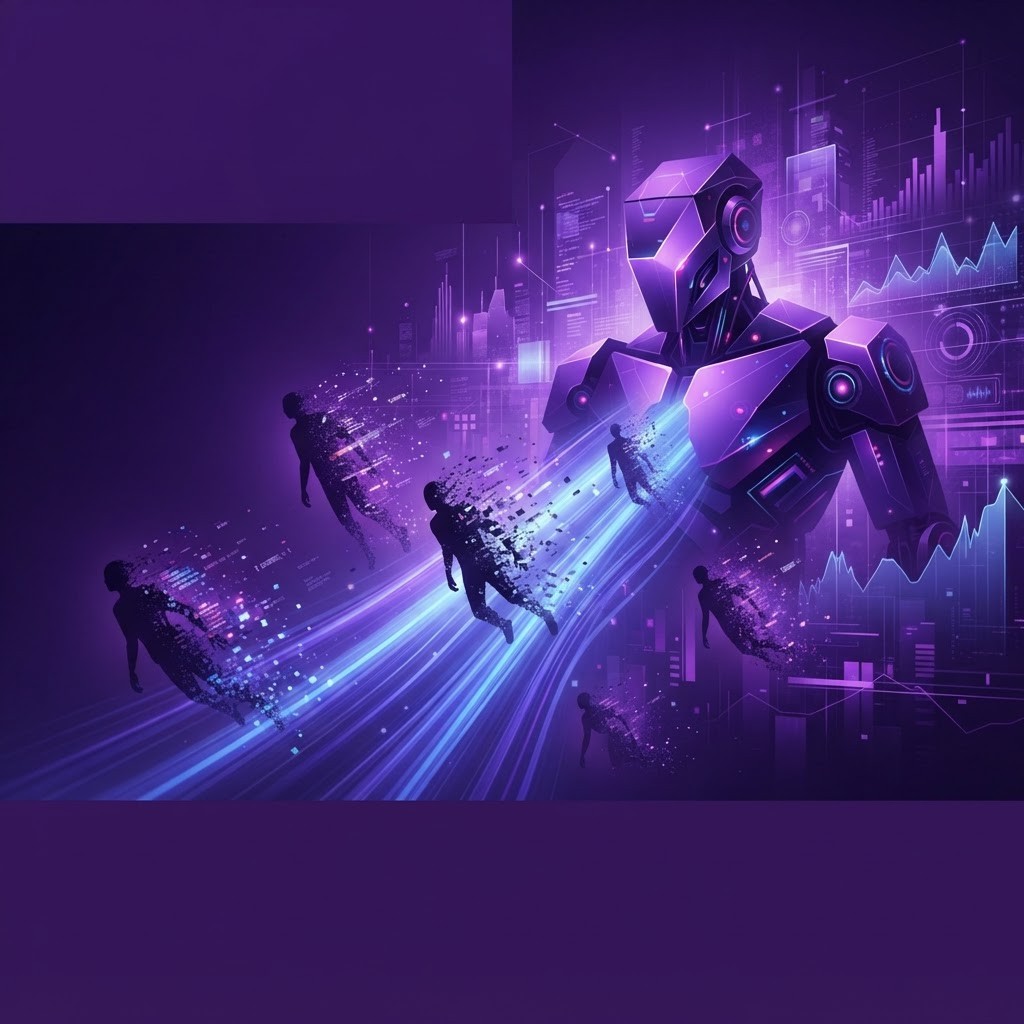
Artificial intelligence is often celebrated for boosting productivity and creating new possibilities, but it also raises serious concerns about its impact on employment. As AI systems grow more capable, they are automating tasks once thought to require human judgment, and this shift carries real risks for workers across many industries. Understanding the potential negative effects of AI on the job market is essential for individuals planning their careers and for organizations navigating change responsibly. This article examines those challenges honestly.
How AAMAX.CO Helps Businesses and Professionals Adapt
Adapting to an AI-shaped economy requires new skills and a strong digital presence, and that is where expert guidance helps. AAMAX.CO is a full-service digital marketing company that helps businesses and professionals worldwide build their online brands, reach new audiences, and stay competitive as technology evolves. Whether a freelancer needs a standout portfolio or a company wants to strengthen its market position, their digital marketing services help turn disruption into opportunity. By helping clients establish visibility and authority online, they support the kind of adaptability the modern job market demands.
Job Displacement Through Automation
The most immediate concern is that AI will automate tasks and eliminate certain roles. Jobs built around repetitive, predictable work, such as data entry, routine customer service, and some administrative functions, are especially vulnerable. As automation spreads, workers in these positions may find their roles reduced or eliminated. While new jobs will emerge, the transition can be painful for those whose skills are suddenly less in demand, and displacement rarely happens evenly across regions or industries.
Widening Skill Gaps
AI does not just remove jobs; it changes the skills employers value. Workers who lack experience with new tools and technologies may find themselves at a disadvantage. This growing skill gap can leave many people struggling to compete, particularly if they lack access to training and education. Without deliberate investment in reskilling, the gap between those who can work alongside AI and those who cannot may widen, deepening inequality in the workforce.
Pressure on Wages and Job Quality
Automation can put downward pressure on wages in affected fields as tasks become cheaper to perform. In some cases, AI may reduce the bargaining power of workers or push them toward less stable, lower-paying roles. Even when jobs are not eliminated outright, they may be restructured in ways that reduce security or satisfaction. These pressures highlight the importance of policies and practices that protect workers during periods of rapid change.
Impact on Entry-Level Opportunities
Entry-level roles have traditionally been the way new workers gain experience and build careers. As AI automates many of the routine tasks these roles involve, opportunities for newcomers may shrink. This raises a difficult question: if fewer entry points exist, how will the next generation develop the experience needed for advanced positions? Ensuring pathways into the workforce remain open is a challenge that businesses and educators must address together.
Concentration of Economic Power
AI development is resource-intensive, and its benefits can concentrate among large organizations with the capital to invest heavily. This concentration may widen the gap between big companies and smaller competitors, and between highly skilled and lower-skilled workers. If the gains from AI accrue mainly to a few, the broader workforce could see limited benefit despite significant disruption. Encouraging broad access to AI tools helps counter this risk.
Psychological and Social Effects
Beyond economics, the fear of automation can create anxiety and uncertainty for workers. Concerns about job security affect morale, mental health, and long-term planning. Rapid change can also strain communities that depend on industries facing disruption. Acknowledging these human costs is important, because managing the transition to an AI-driven economy is not only a technical challenge but a deeply social one that requires empathy and support.
How Workers and Businesses Can Respond
The negative effects of AI are not inevitable, and preparation makes a real difference. Workers can focus on developing skills that complement AI, such as creativity, complex problem-solving, and interpersonal abilities that machines struggle to replicate. Businesses can invest in retraining rather than simply replacing staff, and policymakers can support education and safety nets. A proactive approach helps turn a threatening transition into a manageable one.
Conclusion
AI poses genuine risks to the job market, including displacement, widening skill gaps, wage pressure, and reduced entry-level opportunities. Facing these challenges honestly is the first step toward addressing them. By investing in new skills and building a strong professional presence, workers and businesses can adapt and thrive. A partner like AAMAX.CO can help professionals and companies strengthen their digital footprint and stay competitive in an evolving economy.