
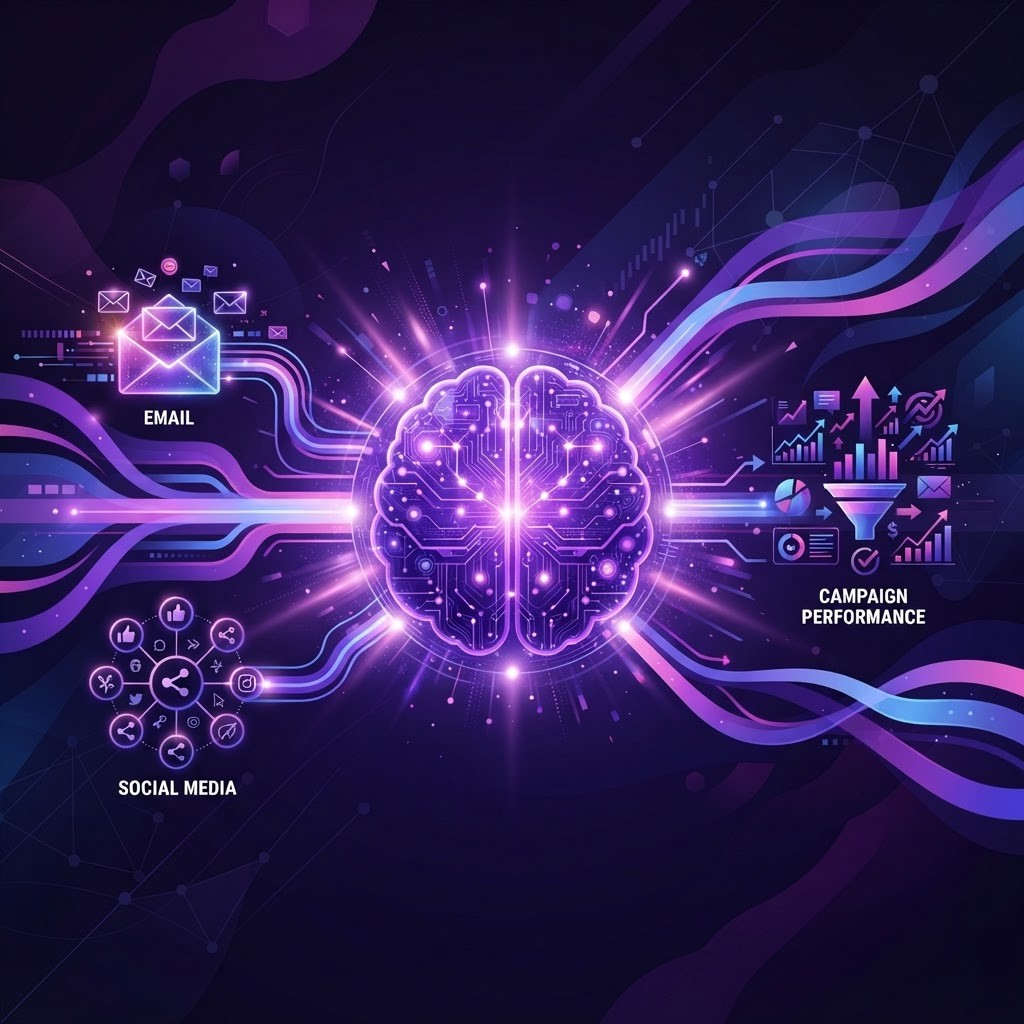
Digital marketing has always evolved alongside technology, but no advancement has been as transformative as artificial intelligence. AI now touches nearly every part of the marketing workflow, from generating ideas and creating content to optimizing ad spend and predicting customer behavior. For marketers, the question is no longer whether to use AI but how to use it effectively. This guide walks through the most practical and impactful ways to apply artificial intelligence across your digital marketing efforts.
How AAMAX.CO Brings AI Into Your Digital Marketing
Implementing artificial intelligence across multiple channels can feel overwhelming, which is why working with an experienced team makes a real difference. AAMAX.CO is a full-service digital marketing company serving clients around the globe, and they specialize in weaving AI into every stage of the marketing funnel. Their experts help businesses adopt the right tools, build intelligent workflows, and turn data into measurable growth. Whether you are just starting with AI or scaling an established program, their digital marketing services can help you get more from every campaign.
AI-Powered Content Creation
Content is the foundation of digital marketing, and AI has dramatically accelerated how it is produced. Generative models can draft blog posts, social captions, product descriptions, and email copy in seconds, giving teams a strong starting point to refine. Beyond writing, AI tools can suggest headlines, generate images, and even repurpose a single piece of content into dozens of formats for different channels.
The most successful marketers treat AI as a creative collaborator rather than a replacement. They use it to overcome blank-page paralysis, scale output, and free up time for strategy and storytelling, while human judgment ensures the content remains accurate, on-brand, and emotionally resonant.
Smarter Advertising and Bidding
Paid advertising is one of the areas where AI delivers the clearest return. Modern ad platforms use machine learning to optimize targeting, bidding, and creative selection in real time. Instead of manually adjusting bids, marketers can set goals and let AI allocate budget toward the audiences and placements most likely to convert.
AI also enables dynamic creative optimization, automatically testing combinations of headlines, images, and calls to action to find the highest-performing variations. This continuous experimentation would be impossible to manage manually, and it consistently drives down cost per acquisition while improving results.
Personalization and Customer Journeys
Consumers now expect experiences tailored to their interests, and AI makes personalization possible at scale. By analyzing browsing behavior, purchase history, and engagement patterns, AI can recommend products, customize website content, and trigger the right message at the right moment in the customer journey.
Email marketing benefits enormously from this capability. AI can determine the optimal send time for each subscriber, predict which offers will resonate, and automatically segment audiences based on behavior. The result is communication that feels relevant and timely rather than generic and intrusive.
Chatbots and Conversational Marketing
AI-powered chatbots have become essential for engaging visitors instantly. They can answer questions, recommend products, qualify leads, and guide users toward conversion around the clock. Advanced conversational AI understands natural language and context, allowing it to handle complex interactions that once required a human agent.
This immediate responsiveness improves customer experience and captures opportunities that would otherwise be lost when visitors leave a site unanswered. When conversations require a human touch, AI seamlessly hands off to a live team member with full context.
Predictive Analytics and Insights
Perhaps the most powerful application of AI in digital marketing is its ability to predict outcomes. Machine learning models analyze historical data to forecast which leads will convert, which customers might churn, and which campaigns will perform best. These insights allow marketers to make proactive decisions rather than reacting after the fact.
AI also uncovers patterns humans would miss, revealing hidden segments, unexpected correlations, and emerging trends. This turns raw data into a strategic advantage that informs everything from budget allocation to product development.
Social Media and Community Management
Social media is another area where artificial intelligence delivers meaningful value. AI tools can analyze engagement patterns to determine the best times to post, identify the content types your audience prefers, and even monitor brand mentions across platforms in real time. Sentiment analysis helps you understand how people feel about your brand, allowing you to respond quickly to both praise and criticism. By automating routine monitoring and surfacing the conversations that matter most, AI helps social teams stay responsive and build stronger communities without being overwhelmed by the constant flow of activity.
Getting Started With AI in Your Marketing
To begin, identify the areas where you spend the most time on repetitive tasks or struggle to make sense of data. Start with a focused pilot, such as automating email send times or using AI to draft content, then measure the impact before expanding. Choose tools that integrate with your existing stack, and always keep human oversight in the loop to maintain quality and brand voice.
Conclusion
Artificial intelligence is no longer a futuristic concept in digital marketing it is a practical toolkit that improves content, advertising, personalization, and analytics today. Marketers who thoughtfully integrate AI into their workflows gain speed, precision, and insight that competitors cannot match. With guidance from a knowledgeable partner like AAMAX.CO, you can adopt AI strategically and transform your digital marketing into a smarter, more profitable operation.