
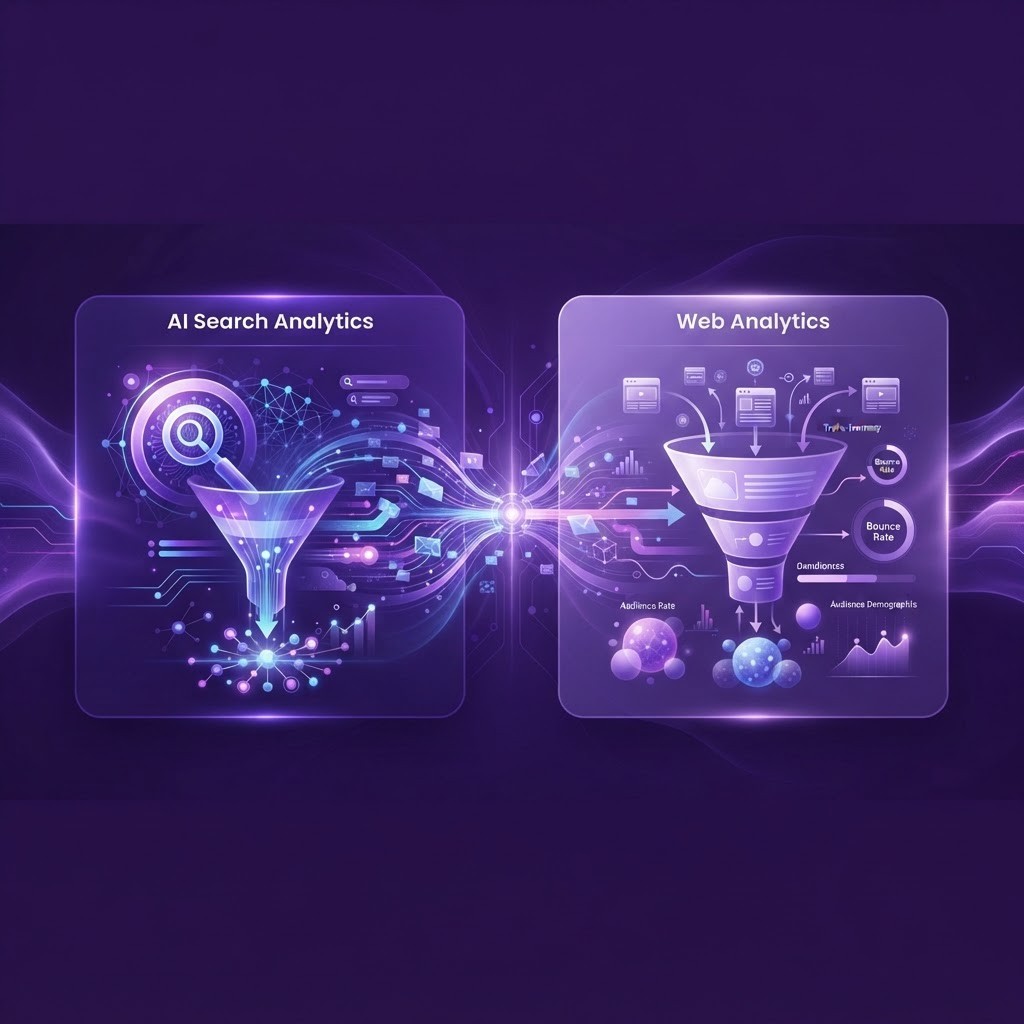
For years, web analytics has been the backbone of digital marketing measurement, telling teams how visitors behave once they land on a site. But a new discovery layer has emerged. Consumers increasingly find answers inside AI assistants and AI-powered search experiences, often without ever clicking through to a website. This shift has created a blind spot for teams that rely only on traditional analytics. To see the full picture, marketing teams are now pairing AI search analytics with web analytics, combining insight into how brands are discovered with insight into how visitors convert.
How AAMAX.CO Bridges Both Analytics Worlds
Measuring visibility inside AI answers while still optimizing on-site performance takes specialized expertise, and AAMAX.CO helps brands connect these two worlds. As a full-service digital marketing company operating worldwide, they help teams track how often their content is surfaced by AI assistants and pair that with detailed web behavior data. Through their GEO services, they help brands become the trusted source that AI tools cite, then use web analytics to ensure the resulting traffic converts effectively.
What AI Search Analytics Actually Measures
AI search analytics focuses on the discovery layer that happens before a click. It tracks how frequently a brand or its content is mentioned in AI-generated answers, which questions trigger those mentions, and how the brand is described. It reveals whether an assistant recommends your product, cites your content, or points users to a competitor. This visibility data is critical because a large share of research now happens inside conversational tools rather than on traditional results pages.
Unlike click-based metrics, AI search analytics measures influence and presence. Even when a user never visits your site, being referenced by an AI assistant shapes perception and can drive branded searches, direct visits, and eventual conversions.
What Web Analytics Continues to Provide
Web analytics remains indispensable for understanding what happens on your own properties. It shows which pages attract attention, how long visitors stay, where they drop off, and which paths lead to conversions. It measures the effectiveness of landing pages, forms, and calls to action. These behavioral insights are essential for optimizing the experience once a visitor arrives, and no AI search tool replaces them.
The strength of web analytics lies in its depth on-site. It answers questions about engagement, usability, and conversion that discovery-focused tools cannot address.
Why Combining the Two Matters
Used together, AI search analytics and web analytics tell a complete story from first impression to final conversion. AI search analytics explains how audiences discover and perceive the brand in the pre-click world, while web analytics explains how those audiences behave once they arrive. Without the first, teams miss where demand originates. Without the second, they cannot optimize what happens after discovery.
For example, a brand might notice a rise in direct traffic and branded searches in web analytics without an obvious cause. AI search analytics can reveal that an assistant recently began recommending the brand, connecting the dots between the two data sets. This unified view prevents teams from misattributing results and helps them invest in the tactics that truly drive discovery.
Building a Combined Measurement Framework
To integrate both perspectives, teams start by defining shared goals such as increasing qualified traffic and conversions. They then track AI visibility metrics alongside on-site behavior in a unified reporting structure. When AI search analytics shows a spike in mentions for a particular topic, teams check web analytics to see whether related pages experience increased engagement. Over time, patterns emerge that link AI visibility to measurable business outcomes.
Strong content and technical foundations support both layers. Well-structured, authoritative content backed by solid search engine optimization makes a brand more likely to be cited by AI tools and more effective at converting the visitors who do click through.
Turning Insights Into Action
The real value comes from acting on the combined data. If AI search analytics reveals that assistants describe your product inaccurately, you can update content to correct the narrative. If web analytics shows that AI-referred visitors convert well but arrive in small numbers, you can double down on the content that earns AI citations. This continuous loop of discovery insight and behavioral insight sharpens strategy in ways neither tool could achieve alone.
Preparing for an AI-First Discovery Era
As AI assistants become a primary way people find information, discovery is moving further away from the traditional click. Marketing teams that measure only on-site behavior will increasingly miss where their audiences begin their journeys. By pairing AI search analytics with web analytics, teams gain a comprehensive understanding of both visibility and conversion. This dual approach ensures brands stay visible in the tools shaping consumer decisions while continuing to optimize the experiences that turn interest into results.