
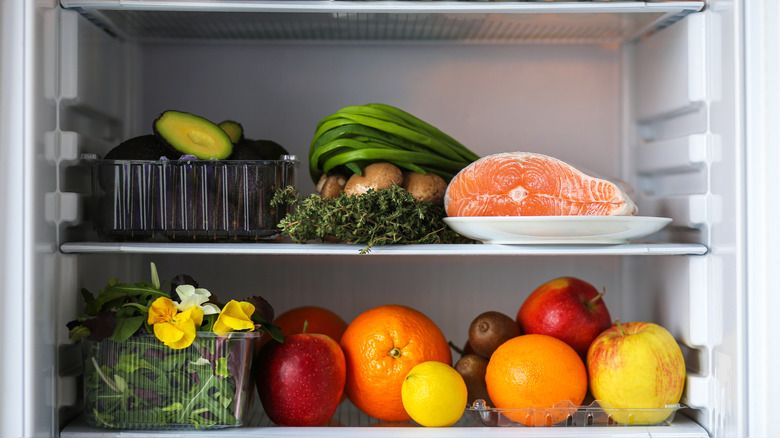
Power outages can happen unexpectedly due to storms, grid failures, natural disasters, or maintenance issues. One of the most common and urgent concerns during a blackout is food safety. Many people ask: how long is food good in the fridge without power? The answer depends on several factors, including the type of food, how full the fridge is, how often the door is opened, and how long the power is out.
This in-depth guide explains exactly how long refrigerated food lasts without electricity, what foods are safe to keep, what should be thrown away, and how to protect your family from foodborne illness. Whether the outage lasts a few hours or several days, this page will help you make informed, safe decisions.
Why Power Loss Affects Food Safety
Refrigerators are designed to keep food at or below 40°F (4°C). This temperature slows the growth of bacteria that cause food poisoning. When the power goes out, the internal temperature of the fridge begins to rise, and once it enters the danger zone (40°F–140°F), bacteria can multiply rapidly.
Some bacteria, such as Salmonella, E. coli, and Listeria, can grow without changing the smell, taste, or appearance of food. This makes it especially dangerous to rely on your senses alone when deciding whether food is safe to eat after a power outage.
General Rule: How Long Food Lasts in a Fridge Without Power
As a general guideline:
- A refrigerator keeps food safe for about 4 hours without power if the door remains closed.
- A full freezer keeps food safe for about 48 hours, while a half-full freezer lasts about 24 hours.
Factors That Affect How Long Food Stays Safe
How Full the Fridge Is
A full refrigerator stays cold longer than an empty one. The food itself helps maintain low temperatures, acting as thermal mass. If your fridge is mostly empty, it will warm up much faster.
How Often the Door Is Opened
Every time the fridge door is opened, cold air escapes and warm air enters. During a power outage, opening the fridge frequently can reduce safe storage time from 4 hours to as little as 1–2 hours.
Room Temperature
If the surrounding room temperature is high, such as during summer heat, the fridge will warm up more quickly. Cooler indoor temperatures can extend food safety slightly, but not indefinitely.
Type of Food
Some foods spoil faster than others. High-protein and high-moisture foods are the most dangerous once temperatures rise.
Timeline: What Happens to Food Over Time Without Power
First 0–2 Hours
- Most foods remain safe
- Fridge temperature is still below 40°F if the door stays closed
- No immediate action required
2–4 Hours
- Temperature begins approaching the danger zone
- Perishable foods are still generally safe, but caution is needed
- Avoid opening the fridge unnecessarily
After 4 Hours
- Fridge temperature likely exceeds 40°F
- High-risk foods should be discarded
- Risk of foodborne illness increases significantly
Foods That Spoil Quickly Without Power
These foods should be thrown away if they have been above 40°F for more than 2 hours (or 1 hour if the room temperature is above 90°F):
Meat, Poultry, and Seafood
- Raw or cooked beef, pork, lamb, chicken, turkey
- Deli meats and hot dogs
- Raw or cooked fish and shellfish
- Bacon and sausage
Dairy Products
- Milk
- Cream
- Yogurt
- Soft cheeses (cream cheese, ricotta, cottage cheese)
- Shredded cheeses
- Sour cream
Eggs and Egg-Based Foods
- Raw eggs
- Cooked eggs
- Egg salad
- Custards and puddings
Leftovers and Cooked Foods
- Cooked rice and pasta
- Soups and stews
- Pizza
- Casseroles
- Meal-prepped foods
Foods That May Last Longer Without Power
Some foods are more stable and may still be safe after 4 hours without power, depending on smell, texture, and temperature.
Hard Cheeses
- Cheddar
- Swiss
- Parmesan
- Gouda
Butter and Margarine
Butter may soften but usually remains safe for several hours beyond the 4-hour mark.
Fresh Fruits and Vegetables
- Whole fruits (apples, oranges)
- Whole vegetables (carrots, cabbage)
Condiments and Sauces
- Ketchup
- Mustard
- Soy sauce
- Vinegar-based dressings
- Pickles and olives
Breads and Baked Goods
- Bread
- Rolls
- Cakes without cream filling
How to Tell If Food Is Unsafe (And Why Smell Isn’t Enough)
Many people rely on smell or appearance to judge food safety, but this can be misleading. Dangerous bacteria do not always produce noticeable odors or visible spoilage.
Signs that food may be unsafe include:
- Slimy texture on meat
- Mold growth (except on hard cheeses)
- Unusual bubbling or gas
- Sour or off smells (when present)
What to Throw Away After a Power Outage
If the power has been out for more than 4 hours, discard:
- Meat, poultry, seafood
- Milk and dairy products
- Eggs and egg dishes
- Leftovers
- Soft cheeses
- Opened baby formula or breast milk
- Any food with a questionable temperature history
How to Keep Food Safe During a Power Outage
Keep the Fridge Closed
This is the single most important step. A closed fridge can stay cold for up to 4 hours.
Use Ice or Ice Packs
If you know the outage will last longer, transfer perishable foods to a cooler with ice. Keep the temperature at or below 40°F.
Group Foods Together
Grouping items helps them stay cold longer.
Use a Refrigerator Thermometer
A fridge thermometer lets you know whether food has stayed below 40°F and can help you decide what to keep or discard.
Freeze Water Bottles Ahead of Time
Frozen water bottles can help maintain cold temperatures and provide drinking water once melted.
What About Medications and Baby Food?
Medications
Some medications require refrigeration. Check the label or consult a pharmacist. If unsure, do not use medication that may have exceeded safe storage temperatures.
Baby Formula and Breast Milk
- Prepared formula should be discarded after 1–2 hours without refrigeration
- Breast milk should be discarded if above 40°F for more than 4 hours
After Power Is Restored: What To Do First
- Check fridge temperature
- Discard unsafe foods immediately
- Clean fridge shelves and drawers
- Restock with shelf-stable foods if outages are common in your area
Common Myths About Food Safety During Power Outages
“If It Smells Fine, It’s Safe”
False. Many harmful bacteria do not produce odors.
“Cooking Spoiled Food Makes It Safe”
False. Cooking may kill bacteria but does not remove toxins already produced.
“Cheese Is Always Safe”
False. Soft cheeses spoil quickly and should be discarded.
Planning Ahead for Future Power Outages
Preparation can greatly reduce food waste and health risks:
- Keep a thermometer in your fridge and freezer
- Store shelf-stable foods (canned goods, dry foods)
- Maintain a cooler and ice packs
- Know which foods spoil fastest
- Consider a backup generator if outages are frequent
Final Thoughts: How Long Is Food Good in the Fridge Without Power?
In most cases, food in the fridge is only safe for about 4 hours without power if the door remains closed. After that, perishable foods can quickly become unsafe, even if they look or smell fine.
Understanding which foods spoil quickly, monitoring time and temperature, and knowing when to discard items can protect you and your family from foodborne illness. When dealing with power outages, caution is always the best policy. If there is any doubt at all, throw the food away and prioritize safety over savings.