
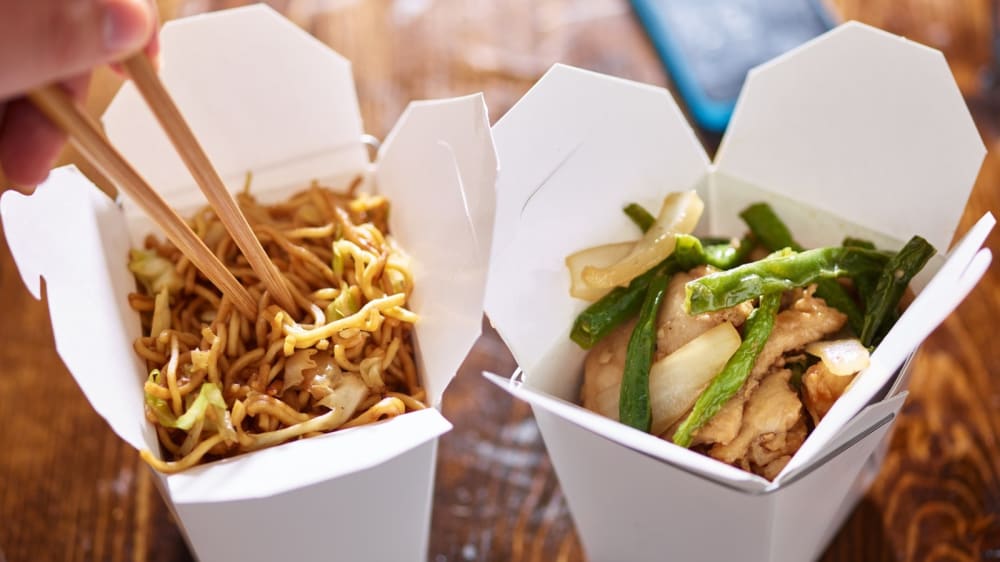
Chinese food is one of the most popular takeout options around the world. Whether it’s a comforting bowl of fried rice, crispy spring rolls, spicy Szechuan chicken, or savory lo mein, leftovers are almost inevitable. But once the feast is over, an important question remains: How long does Chinese food last in the fridge?
Proper storage and understanding food safety guidelines are crucial for protecting your health and maintaining flavor and texture. In this comprehensive guide, we’ll explore how long different types of Chinese food last in the refrigerator, how to store them correctly, signs of spoilage, and best practices for reheating leftovers safely.
Understanding the Basics of Food Safety
Before diving into specific dishes, it’s important to understand how food safety works.
Most cooked foods, including Chinese takeout, follow a general rule:
Cooked food typically lasts 3–4 days in the refrigerator when stored properly.
The refrigerator should be set at or below 40°F (4°C). At this temperature, bacterial growth slows significantly but does not stop entirely. That’s why leftovers don’t last forever—even in the fridge.
The biggest risk factor is the “danger zone,” which ranges from 40°F to 140°F (4°C to 60°C). Bacteria multiply rapidly within this range. Leaving Chinese food at room temperature for more than 2 hours (or 1 hour in hot weather above 90°F/32°C) can make it unsafe.
General Shelf Life of Chinese Food in the Fridge
Here’s a quick overview:
- Rice dishes (fried rice, steamed rice): 3–4 days
- Noodle dishes (lo mein, chow mein): 3–4 days
- Chicken, beef, pork, shrimp dishes: 3–4 days
- Vegetable-based dishes: 3–5 days
- Soups (egg drop, hot and sour): 3–4 days
- Spring rolls and fried appetizers: 2–3 days
These timelines assume the food was refrigerated within two hours of cooking or delivery.
Now let’s break down each category in more detail.
How Long Does Fried Rice Last in the Fridge?
Fried rice is one of the most commonly ordered Chinese dishes—and also one of the most sensitive to improper storage.
Shelf life: 3–4 days
Rice can harbor Bacillus cereus, a bacterium that produces heat-resistant toxins if rice is left at room temperature too long. Even reheating may not eliminate the toxins.
Storage Tips for Fried Rice
- Refrigerate within 1–2 hours of purchase.
- Store in an airtight container.
- Divide large portions into smaller containers to cool faster.
- Keep refrigerator temperature below 40°F (4°C).
If fried rice smells sour, feels slimy, or has an unusual texture, discard it immediately.
How Long Do Noodles (Lo Mein and Chow Mein) Last?
Noodle dishes like lo mein and chow mein contain a mix of carbohydrates, proteins, and vegetables.
Shelf life: 3–4 days
The combination of sauces and moisture can make noodles spoil slightly faster if not stored properly.
Best Practices
- Transfer noodles from the takeout container into a sealed container.
- Avoid leaving them in the original cardboard box.
- Reheat thoroughly to an internal temperature of 165°F (74°C).
If the noodles are sticky in an unusual way, have a sour smell, or show mold, do not consume them.
How Long Do Chicken, Beef, Pork, and Shrimp Dishes Last?
Protein dishes are particularly important to monitor.
Chicken Dishes (General Tso’s, Orange Chicken)
Shelf life: 3–4 days
Beef and Pork Dishes (Mongolian Beef, Sweet and Sour Pork)
Shelf life: 3–4 days
Shrimp and Seafood Dishes
Shelf life: 2–3 days
Seafood spoils faster than other meats. If you ordered shrimp fried rice or garlic shrimp, it’s safest to eat it within two days.
Warning Signs for Meat Dishes
- Sour or ammonia-like smell
- Slimy or sticky surface
- Gray or dull discoloration
- Mold growth
When in doubt, throw it out.
How Long Do Vegetable-Based Chinese Dishes Last?
Vegetable stir-fries such as broccoli in garlic sauce or mixed vegetable dishes typically last slightly longer.
Shelf life: 3–5 days
Vegetables don’t spoil as quickly as meat, but sauces and oils can still go bad.
However, texture degrades faster than safety. You may notice sogginess before spoilage.
How Long Do Chinese Soups Last?
Popular soups include:
- Egg drop soup
- Hot and sour soup
- Wonton soup
Shelf life: 3–4 days
If the soup contains seafood, reduce that to 2–3 days.
Store soup in airtight containers and allow it to cool before sealing. Reheat to boiling before consuming.
How Long Do Spring Rolls and Fried Appetizers Last?
Fried items lose crispness quickly.
Shelf life: 2–3 days**
While they may still be safe up to day three, texture and quality decline rapidly.
To preserve them better:
- Store in a container lined with paper towel.
- Reheat in an oven or air fryer instead of a microwave.
Proper Storage Techniques for Chinese Food
Correct storage is just as important as timing.
1. Refrigerate Promptly
Do not leave takeout sitting on the counter for hours. Even if it feels cool, bacteria may already be multiplying.
2. Use Airtight Containers
The original takeout box is not ideal for long-term storage. Transfer food to:
- Glass containers with tight lids
- BPA-free plastic containers
- Sealable freezer bags
3. Label and Date
Write the date on containers so you know when you stored them. This eliminates guesswork.
4. Avoid Overcrowding the Fridge
Cold air must circulate to maintain proper temperature.
Can You Freeze Chinese Food?
Yes, most Chinese dishes freeze well, especially rice and noodle dishes.
Freezer shelf life: 2–3 months
Best Items to Freeze
- Fried rice
- Plain rice
- Chicken and beef dishes
- Dumplings
Less Ideal for Freezing
- Fried appetizers (they become soggy)
- Dishes with high water content vegetables
- Cream-based sauces
Always freeze food in airtight containers and thaw in the refrigerator overnight before reheating.
Signs That Chinese Food Has Gone Bad
Here are clear indicators that leftovers should be discarded:
1. Strange Odor
A sour, rancid, or ammonia-like smell is a red flag.
2. Slimy Texture
Protein dishes may develop a slippery coating.
3. Visible Mold
Green, white, or black fuzzy spots mean immediate disposal.
4. Off Taste
If it tastes sour or “wrong,” stop eating it immediately.
Never rely solely on taste testing. If you suspect spoilage, do not consume it.
Reheating Chinese Food Safely
Reheating properly is essential to kill bacteria.
Microwave Method
- Stir halfway through heating.
- Cover with a microwave-safe lid.
- Heat until internal temperature reaches 165°F (74°C).
Stovetop Method
- Add a splash of water or broth.
- Heat evenly while stirring.
Oven Method
- Best for fried items.
- Reheat at 350°F (175°C) for 10–15 minutes.
Avoid reheating more than once. Each cooling and reheating cycle increases contamination risk.
Special Considerations for Buffet-Style Chinese Food
If the food came from a buffet:
- Shelf life may be shorter (2–3 days).
- Buffet food has already been sitting out under warming lamps.
Use extra caution and consume sooner rather than later.
The Risk of Foodborne Illness
Improperly stored Chinese food can cause food poisoning.
Common symptoms include:
- Nausea
- Vomiting
- Diarrhea
- Stomach cramps
- Fever
Rice-related food poisoning, in particular, can happen quickly due to toxin production if rice was mishandled before refrigeration.
If symptoms are severe or persistent, seek medical attention.
Frequently Asked Questions
Can I eat Chinese food after 5 days?
Generally, no. After 4 days, the risk increases significantly. It’s best to discard leftovers beyond that timeframe.
Is it safe to eat cold Chinese leftovers?
If stored properly and within 3–4 days, yes. However, reheating is recommended to reduce bacterial risk.
Why does Chinese food sometimes spoil faster?
Factors include:
- High moisture content
- Protein-rich ingredients
- Improper cooling
- Refrigerator temperature above 40°F (4°C)
Can I tell if rice is bad by smell?
Sometimes, but not always. Harmful toxins may not produce noticeable odors. Always follow the 3–4 day rule.
Tips to Make Chinese Leftovers Last Longer
- Store food immediately after eating.
- Divide into smaller portions for faster cooling.
- Keep refrigerator clean and at proper temperature.
- Avoid cross-contamination with raw meat.
- Don’t mix old leftovers with fresh food.
These simple practices greatly reduce risk.
Final Thoughts
So, how long does Chinese food last in the fridge?
In most cases, 3 to 4 days is the safe window. Seafood dishes and fried appetizers may last slightly less, while vegetable dishes may last a bit longer. Proper storage, refrigeration within two hours, and airtight containers are essential for maintaining both safety and quality.
When dealing with leftovers, caution is always better than risk. If something looks, smells, or feels off, it’s best to discard it. Food safety isn’t just about avoiding waste—it’s about protecting your health.
By following the guidelines in this article, you can confidently enjoy your Chinese leftovers without worry, reduce food waste responsibly, and ensure every bite remains safe and delicious.