
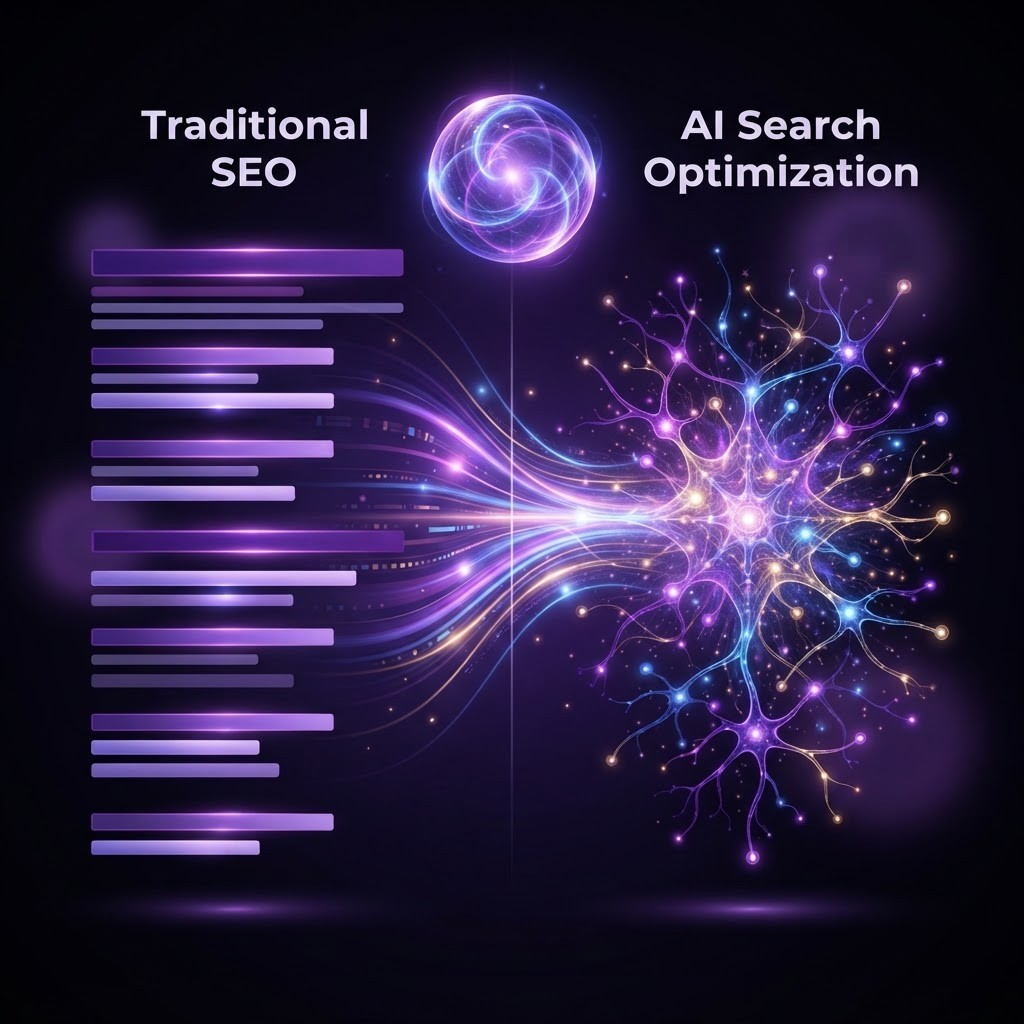
Search is undergoing its biggest transformation in decades. For years, search engine optimization meant earning a high position on a page of blue links. Now, AI-powered search experiences deliver direct answers, synthesize information from multiple sources, and hold conversations with users. This shift has given rise to AI search optimization, a discipline that overlaps with traditional SEO but diverges in important ways. Understanding these differences is essential for any business that wants to remain visible as search evolves.
How AAMAX.CO Prepares Brands for the New Search Era
Adapting to AI-driven search requires expertise that spans both established and emerging best practices. AAMAX.CO is a full-service digital marketing company serving clients worldwide, and they help businesses future-proof their visibility across every kind of search experience. Their team blends proven optimization techniques with cutting-edge generative engine optimization, ensuring brands are discoverable whether users rely on classic search engines or the new generation of AI answer engines. This dual focus keeps clients ahead as the landscape shifts.
The Foundations of Traditional SEO
Traditional SEO is built around helping web pages rank in search engine results. It focuses on keywords, backlinks, technical health, page speed, and content quality. The goal is to earn a top position so users click through to your website. Success is measured in rankings, organic traffic, and click-through rates. This model has served the web well for decades and remains important, since millions of searches still return a familiar list of links that users scan and click.
What Makes AI Search Optimization Different
AI search optimization targets a different outcome: being cited, summarized, or recommended by AI systems that generate answers directly. Instead of simply ranking a page, the goal is to become a trusted source that AI models draw upon when composing a response. This means the click may never happen, the value comes from being represented accurately within the AI's answer. As a result, the tactics shift toward clarity, authority, structured information, and content that machines can easily understand and trust.
From Keywords to Concepts and Entities
Traditional SEO leans heavily on matching specific keywords. AI search optimization emphasizes concepts, entities, and relationships. Modern language models understand topics semantically, recognizing how ideas connect rather than just matching phrases. To optimize for AI, content must demonstrate genuine expertise on a subject, clearly define entities, and cover topics comprehensively. This rewards depth and accuracy over keyword repetition, aligning content strategy more closely with real subject-matter authority.
The Role of Structure and Clarity
AI systems favor content that is well organized and unambiguous. Clear headings, concise answers to specific questions, structured data, and logical formatting all make it easier for models to extract and cite information. Where traditional SEO also values structure, AI search raises the stakes: a page that answers a question in a clean, self-contained paragraph is far more likely to be pulled into a generative response. Writing with both humans and machines in mind becomes essential.
Authority, Trust, and Citations
Both traditional and AI search reward authority, but they express it differently. Traditional SEO relies heavily on backlinks as votes of confidence. AI systems consider a broader set of trust signals, including consistency of information across the web, factual accuracy, and reputation. Being frequently referenced by credible sources increases the likelihood that AI will treat your brand as authoritative. Strong search engine optimization still underpins this, since a well-optimized, authoritative site is exactly what AI models tend to trust and cite.
Measurement and Success Metrics
Measuring AI search performance requires new thinking. Traditional metrics like rankings and clicks remain relevant, but businesses must also track how often their brand appears in AI-generated answers, whether their information is represented accurately, and how AI-driven referrals contribute to awareness and conversions. Because these answers may not always produce a click, brand mentions and share of voice within AI responses become important indicators of success.
Why You Need Both Strategies
AI search optimization does not replace traditional SEO, it extends it. Classic search results still drive enormous traffic, and the technical and content foundations of SEO directly support AI visibility. The smartest approach treats them as complementary: build a fast, authoritative, well-structured site that ranks in traditional search while also being clear and trustworthy enough for AI systems to cite. Businesses that master both will capture visibility across the entire spectrum of how people find information.
Conclusion
AI search optimization and traditional SEO share common roots but pursue different goals, one aims to rank pages, the other to be featured within AI-generated answers. As search continues to evolve, success depends on embracing both, combining proven optimization with new practices designed for answer engines. With the right strategy and expert support, brands can stay visible no matter how their audience chooses to search.