
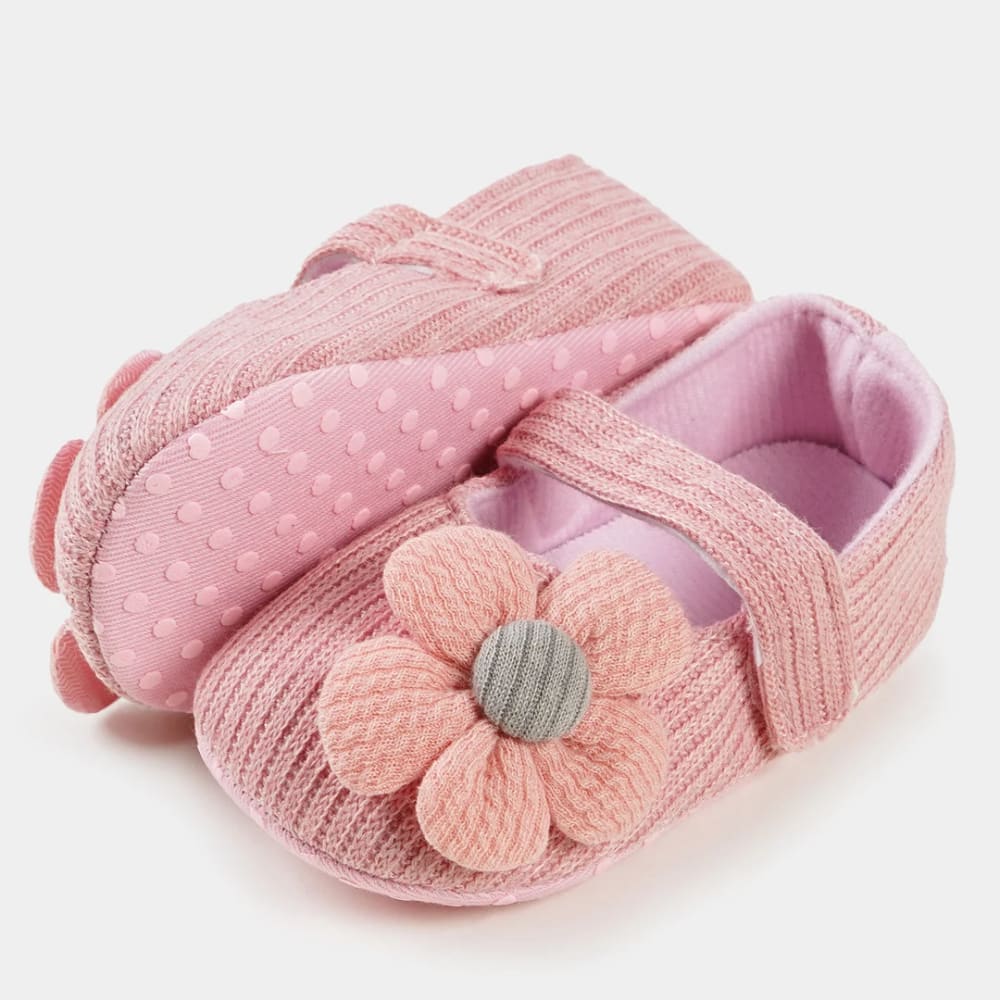
Children’s feet change quickly, making the right shoe size an important part of everyday comfort, movement, and foot health. Shoes that are too tight can create pressure around the toes, while oversized footwear may cause slipping and poor stability. Since growth can happen at different rates, relying only on age or the previous shoe size is not enough. Measuring foot length, checking toe space, considering width, and understanding how different shoe designs fit can make sizing easier. Properly fitted kids shoes should provide enough room for natural movement without being loose enough to affect walking, running, or balance.
Why Proper Shoe Size Matters for Growing Feet
Children spend much of the day walking, running, playing, and participating in school activities. Properly fitted footwear supports these movements while reducing unnecessary pressure on developing feet. Shoes that are too small may press against the toes and create discomfort, while shoes that are too large can allow the foot to slide inside the shoe.
A suitable size should provide a secure fit around the heel and middle of the foot while leaving enough space around the toes. Comfort is especially important because children may not always recognize or explain that footwear has become too tight.
Measure Both Feet Before Buying Kids Shoes
Feet are rarely identical in size. One foot may be slightly longer or wider than the other, so measuring both feet provides a more accurate result. The larger foot should generally guide the final shoe size.
Foot measurement is best completed while standing because body weight naturally changes the shape and length of the foot. A simple foot-measuring device can provide useful results, although a ruler or measuring tape can also work at home.
Measure from the back of the heel to the longest toe. Record the measurement for both feet and compare it with the sizing information provided by the shoe manufacturer.
Check Toe Room Carefully
Toe space is one of the most important parts of a proper shoe fit. There should be enough room in front of the longest toe to allow natural movement and accommodate normal growth.
A common guideline is to leave around 10–15 mm of extra space between the longest toe and the front of the shoe. Too little space can create pressure, while excessive space can make the foot move around inside the shoe.
The longest toe is not always the big toe, so the entire toe area should be checked rather than assuming the big toe determines the required space.
Consider Foot Width as Well as Length
Length alone does not determine whether kids shoes fit correctly. Some children have narrow feet, while others have wider feet or higher insteps. A shoe that matches the foot length but feels tight across the sides may still be unsuitable.
Look for footwear designs available in different width options when necessary. The upper material should sit comfortably around the foot without creating noticeable pressure points. Red marks, complaints about tightness, or difficulty putting the shoe on may indicate that a wider design is needed.
Understand Different Kids Shoe Sizing Systems
Shoe sizes can vary between countries, brands, and manufacturers. A particular number does not always represent exactly the same internal shoe length. For this reason, comparing the actual foot measurement with the manufacturer's size chart is more reliable than selecting a size based only on age.
A child who normally wears a certain size may need a different size in another brand or style. School shoes, trainers, sandals, and boots can also have different internal shapes.
Try Shoes at the Right Time of Day
Feet can become slightly larger during the day because of normal activity and swelling. Trying footwear later in the day can therefore provide a more realistic indication of fit.
The socks normally worn with the shoes should also be used during fitting. Thick winter socks can change the amount of available space, while thin socks may create a different fit.
Check the Heel and Overall Stability
A properly fitted shoe should hold the heel comfortably without excessive movement. Too much heel slipping can make walking uncomfortable and may increase the risk of trips.
The shoe should also bend naturally around the forefoot rather than feeling excessively stiff. Flexible footwear can allow natural foot movement, while a secure fastening system can help keep the foot positioned correctly.
Laces, adjustable straps, and hook-and-loop fasteners can help create a more secure fit than loose slip-on designs, especially for active children.
Avoid Buying Shoes Several Sizes Too Large
Buying oversized footwear with the intention of using it for a longer period may seem practical, but excessive space can affect comfort and stability. A child may need to grip the shoe with the toes or change the natural walking pattern when footwear is too loose.
A small amount of growing room is useful, but the shoe should still fit securely from the beginning. Regular measurements are generally more effective than purchasing several sizes ahead.
Know When It Is Time for a New Pair
Children can outgrow footwear without obvious changes in appearance. Regular checks can help identify a size problem before discomfort develops.
Signs that new kids shoes may be needed include toes touching the front, difficulty putting footwear on, pressure marks, complaints of discomfort, worn areas caused by altered movement, or noticeable changes in walking.
During periods of rapid growth, foot measurements may need to be checked more frequently. Younger children can require particularly regular assessments because their feet may change quickly.
Check the Fit Every Few Months
A shoe that fits well today may become restrictive after a few months. A simple measurement routine can help keep footwear appropriate as the child grows.
Check foot length and width, inspect toe space, examine heel movement, and ask about comfort. These checks are useful even when the shoes still appear to be in good condition.
Children who participate heavily in sports or outdoor activities may also need more frequent checks because active use can expose fit problems more quickly.
Bachaa Party: A Practical Choice for Kids Shoes
Bachaa Party provides a convenient destination for parents looking for children’s footwear suited to different ages and everyday needs. The range of kids shoes can help make shopping easier when growing feet require regular size updates. Checking measurements and comparing available sizing information remains important before purchase, regardless of the retailer. Bachaa Party can be valuable for families seeking children’s products in one accessible place, particularly when footwear, clothing, and other essentials need to be considered together. A focus on suitable sizing, comfort, and age-appropriate designs can help make everyday footwear shopping more practical.