
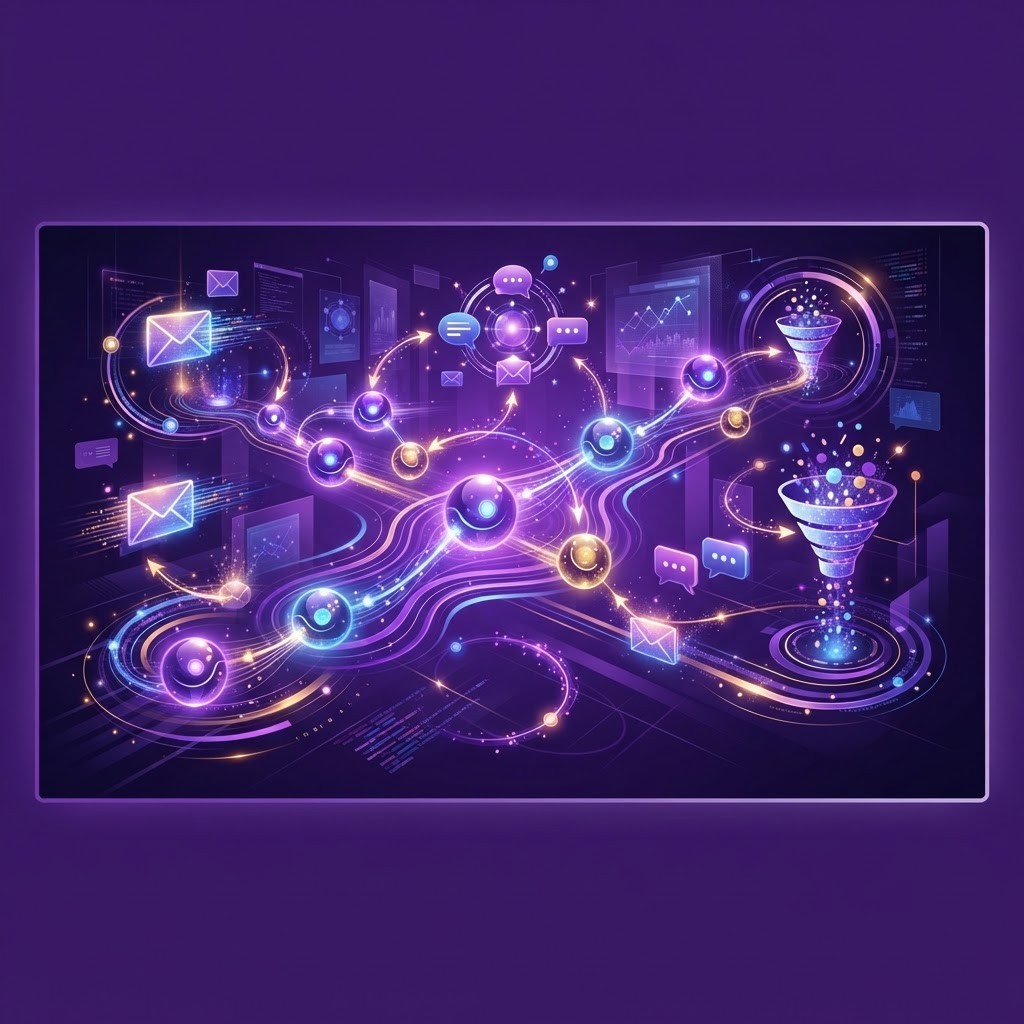
AI marketing agents are autonomous or semi-autonomous software systems that can plan, execute, and optimize marketing tasks with limited human oversight. Unlike simple automation that follows fixed rules, these agents reason through goals, make decisions, and adapt based on results. As the technology matures, businesses are discovering countless practical ways to put AI marketing agents to work—streamlining operations and freeing human teams to focus on strategy and creativity.
Building an Agent-Ready Presence With AAMAX.CO
To benefit from AI agents, brands first need a strong, well-built digital foundation. AAMAX.CO is a full-service digital marketing company serving clients worldwide, and they help businesses prepare for an agent-driven future. From coordinated digital marketing programs to robust website development, they ensure the infrastructure and data are in place for AI agents to operate effectively—exactly the kind of readiness the use cases below require.
Automating Campaign Management
One of the most common uses is managing advertising and campaign performance. AI agents monitor metrics in real time, reallocate budgets toward high-performing channels, adjust bids, and pause underperforming creatives. Because they operate continuously, they can respond to changes far faster than a human checking dashboards a few times a day, improving efficiency and return on ad spend.
Content Creation and Personalization
AI agents draft emails, social posts, ad copy, and landing page variations, then test them against one another to find what resonates. They can personalize messaging for different segments at scale, tailoring tone, offers, and imagery to individual preferences. Human marketers review and refine outputs, but the heavy lifting of producing and iterating on content is dramatically accelerated.
Lead Nurturing and Customer Journeys
Agents orchestrate multi-step customer journeys, deciding when to send a follow-up, which content to share, and how to respond to a prospect's behavior. If a lead engages with a product page, the agent might trigger a relevant email or notify a sales rep. This responsive, behavior-driven nurturing keeps prospects engaged and moves them through the funnel more effectively.
Customer Support and Conversational Marketing
Conversational agents handle inquiries around the clock, answering questions, qualifying leads, and guiding users toward a purchase. Modern agents understand context and can carry on natural conversations, escalating to humans only when needed. This blends support and marketing, turning every interaction into an opportunity to build relationships and capture intent.
Market Monitoring and Competitive Intelligence
AI agents continuously scan the market for competitor moves, pricing changes, trending topics, and shifts in customer sentiment. They compile findings into digestible summaries and alert teams to opportunities or threats. This always-on vigilance means brands are rarely caught off guard and can act on developments while they are still fresh.
Analytics, Reporting, and Optimization
Rather than manually assembling reports, agents gather data across platforms, identify meaningful patterns, and recommend next steps. Some go further, autonomously running experiments and implementing winning variations. This closes the loop between measurement and action, ensuring insights lead to continuous improvement rather than sitting unused in a dashboard.
Coordinating Cross-Channel Campaigns
Modern marketing plays out across many channels at once, and keeping them aligned is a challenge. AI marketing agents act as coordinators, ensuring that messaging, timing, and offers stay consistent across email, social, paid ads, and the website. When an agent adjusts a campaign in one channel, it can update the others to match, preventing the disjointed experiences that frustrate customers and dilute results. This orchestration keeps the entire marketing ecosystem working in concert.
Scaling Personalization Without Scaling Headcount
Delivering individualized experiences to thousands or millions of customers would be impossible manually. AI agents make it feasible by tailoring content, timing, and offers for each person based on their behavior and preferences. As the audience grows, the agents simply scale with it—no additional staff required. This lets even small teams deliver the kind of personalized attention that once demanded large departments, leveling the competitive field.
Enhancing Sales and Marketing Alignment
AI marketing agents help bridge the long-standing gap between marketing and sales. By continuously scoring leads, enriching contact records, and passing high-intent prospects to sales at the right moment, they ensure that marketing effort translates into revenue. Agents can notify a representative when a lead shows buying signals, provide context on that lead's interests, and even suggest talking points. This tight coordination reduces friction, shortens sales cycles, and ensures that promising opportunities are never neglected. When marketing and sales operate from the same real-time intelligence, the entire revenue engine runs more smoothly and predictably.
Getting Started Responsibly
Adopting AI marketing agents works best with clear goals, quality data, and human oversight. Start with a well-defined task, set guardrails, and monitor performance closely before expanding scope. Keep humans in the loop for brand voice, ethics, and strategic decisions. Businesses that combine the speed and scale of agents with human judgment—and a solid digital foundation—unlock efficiency without sacrificing quality or trust.