
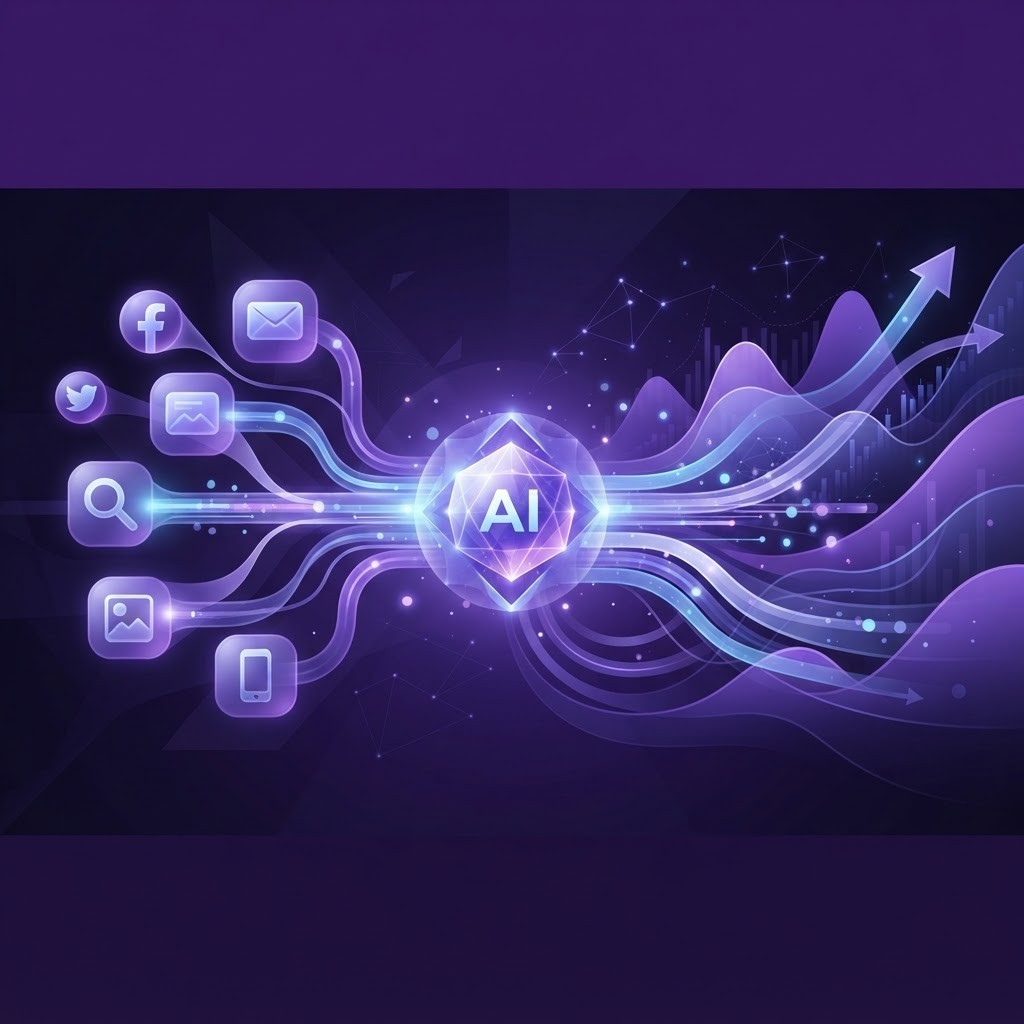
Digital marketing has always been data-driven, which makes it fertile ground for artificial intelligence. As AI matures, its impact on digital marketing grows deeper and more far-reaching, touching everything from how ads are targeted to how content is discovered and how customer relationships are managed. Businesses that understand these impacts can harness AI to work more efficiently, reach the right audiences, and achieve stronger results in an increasingly competitive online landscape.
Grow Your Digital Presence With AAMAX.CO
Making the most of AI in digital marketing requires both strategy and technical know-how. AAMAX.CO is a full-service digital marketing company that helps businesses worldwide integrate AI into their online efforts. Their team delivers results through data-driven campaigns and expert search engine optimization, ensuring clients not only adopt new technology but also translate it into measurable growth and stronger visibility.
Smarter Audience Targeting
One of the clearest impacts of AI on digital marketing is dramatically improved targeting. AI analyzes vast amounts of data about user behavior, interests, and intent to identify the most promising audiences with remarkable precision. Instead of broad demographic targeting, marketers can reach people who are genuinely likely to be interested in their products, reducing wasted spend and improving conversion rates.
This precision extends to timing and context as well. AI can determine not just who to target, but when and through which channel, ensuring messages arrive at the moments people are most receptive.
Automated and Optimized Campaigns
AI is transforming campaign management from a manual, labor-intensive process into an automated, continuously optimized one. Intelligent systems adjust bids, reallocate budgets, and refine targeting in real time based on performance. They can test countless variations of ads and landing pages, quickly identifying what works best and scaling it automatically.
This automation improves efficiency and results while freeing marketers to focus on strategy and creativity. Campaigns become dynamic systems that learn and improve over time rather than fixed plans that quickly become outdated.
The Evolution of Search
Search is central to digital marketing, and AI is reshaping how it works. Search engines increasingly use AI to understand intent, context, and natural language, moving beyond simple keyword matching. At the same time, AI-powered assistants and generative search experiences are changing how people find information, often providing direct answers rather than lists of links.
This evolution means marketers must adapt their strategies, focusing on genuinely helpful, well-structured content that AI systems can understand and surface. Optimizing for these new search experiences is becoming as important as traditional search optimization, and businesses that adjust early will maintain their visibility.
Personalized Content and Experiences
AI enables digital marketers to personalize content at a scale that was previously impossible. Websites, emails, and ads can adapt to each visitor based on their behavior and preferences, delivering relevant messages that resonate. Recommendation engines suggest products and content tailored to individual interests, increasing engagement and sales.
This personalization improves the customer experience and builds loyalty, as people respond positively to brands that understand their needs. As personalization becomes standard, it also raises expectations, pushing all marketers to deliver more relevant experiences.
Enhanced Content Creation
Content is the fuel of digital marketing, and AI is changing how it is produced. Generative tools help marketers draft copy, create visuals, and produce more content faster. This accelerates production and enables greater experimentation, though human oversight remains essential to ensure quality, accuracy, and brand voice. The most effective teams use AI to handle routine content work while focusing human effort on strategy and creativity.
Deeper Analytics and Insight
AI elevates analytics from descriptive reporting to predictive and prescriptive insight. Beyond showing what happened, AI forecasts future outcomes and recommends specific actions to improve results. It uncovers hidden patterns and correlations, helping marketers understand what truly drives performance. This deeper insight enables smarter decisions and more efficient use of resources across all digital channels.
Chatbots and Conversational Marketing
AI-powered chatbots and virtual assistants are becoming integral to digital marketing. They engage visitors instantly, answer questions, qualify leads, and guide customers through their journey around the clock. As these systems grow more sophisticated, they deliver increasingly natural and helpful interactions, improving customer satisfaction while reducing the burden on human teams.
Optimizing Budgets and Spend
Digital advertising budgets can be difficult to manage across numerous platforms and campaigns, and AI brings order to this complexity. Intelligent systems monitor performance continuously and redistribute spend toward the channels, audiences, and creative that deliver the strongest returns. They can detect diminishing returns quickly, pause wasteful spending, and scale winning campaigns without waiting for a human to intervene. Over time, this disciplined, data-driven allocation ensures every marketing dollar works harder and delivers greater impact.
Conclusion
AI will impact digital marketing profoundly, improving targeting, automating campaigns, reshaping search, enabling personalization, enhancing content creation, and deepening analytics. These changes offer tremendous opportunities for businesses willing to adapt and invest. By embracing AI thoughtfully and working with experienced digital marketing partners, companies can harness these capabilities to reach the right audiences, deliver better experiences, and drive sustainable growth in the digital age.