
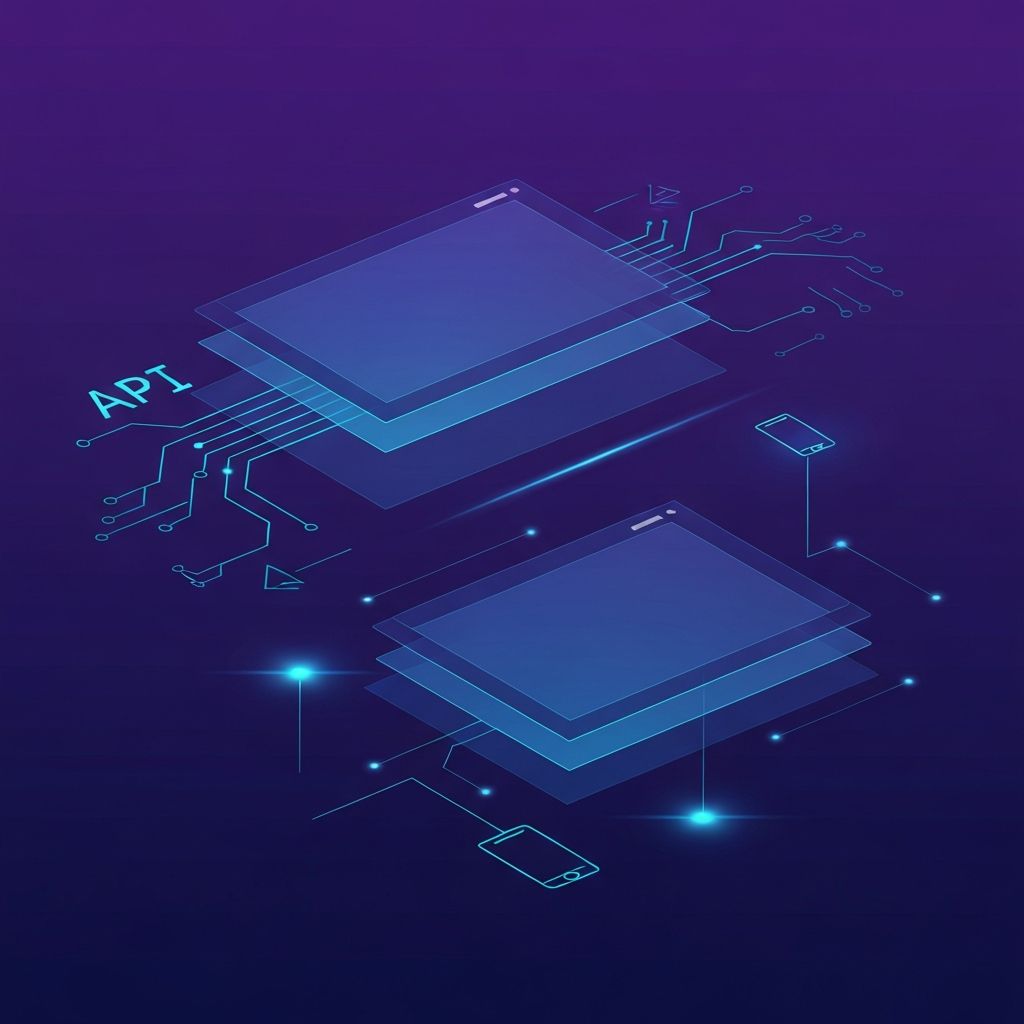
What Is Headless Web Development?
Headless web development is an architectural approach in which the user-facing layer of a website is separated from the backend systems that store content, products, or data. Instead of rendering pages directly from a monolithic CMS or commerce platform, the frontend is built as an independent application that communicates with backend services through APIs. This decoupling provides freedom to use modern frontend frameworks, deliver content to multiple channels, and scale each part of the stack independently.
How AAMAX.CO Helps Brands Adopt Headless
For organizations exploring this architecture, AAMAX.CO offers full-service digital marketing and development expertise to plan, build, and optimize headless platforms. They are a global development company that helps clients implement headless website development using modern frameworks, headless CMS platforms, and cloud-native infrastructure. Their team focuses on long-term outcomes such as performance, SEO, and content velocity rather than chasing trends, ensuring that headless adoption delivers real business value.
Why Companies Choose Headless
The first reason is performance. Headless frontends built with frameworks such as Next.js or Nuxt can deliver pre-rendered, edge-cached pages that load almost instantly, which improves both user experience and search rankings. The second reason is omnichannel delivery. Once content lives in a headless backend, it can be reused on websites, mobile apps, kiosks, smart TVs, and even voice assistants without rewriting it for each channel. The third reason is developer experience. Frontend teams can adopt modern tools, deploy independently, and iterate faster without waiting for monolithic platform releases.
Finally, headless architectures often improve scalability. Each layer—CMS, commerce, search, personalization—can be scaled or replaced independently. If a backend service becomes a bottleneck or vendor terms change, it can be swapped without rebuilding the entire site.
Common Components of a Headless Stack
A typical headless stack includes a headless CMS such as Sanity, Contentful, Storyblok, or Strapi for content management. For ecommerce, headless commerce platforms such as Shopify Hydrogen, BigCommerce, or commercetools provide product, cart, and checkout APIs. The frontend is usually built with Next.js, Nuxt, Astro, or SvelteKit, deployed to platforms like Vercel for global edge delivery. Search, personalization, analytics, and authentication are often added as independent services connected through APIs and webhooks.
Performance, SEO, and Core Web Vitals
Headless architectures, when implemented correctly, are excellent for SEO. Static generation and incremental rendering deliver lightning-fast pages, while structured data, clean URLs, and sitemap generation can be tightly controlled. However, headless does not guarantee good SEO by default. Teams must invest in metadata management, canonical URLs, redirects, and content modeling to avoid the common pitfalls of fragmented or duplicate content.
Design Systems and User Experience
Headless gives designers a powerful canvas, but it also raises the bar. Without the constraints of a traditional theme, frontend teams must establish a robust design system that ensures consistency across devices and channels. Investing in modern website design and a shared component library pays off quickly because it accelerates new feature delivery and ensures a polished, branded experience everywhere content appears.
Content Modeling and Editorial Workflows
One of the most overlooked aspects of headless adoption is content modeling. The structure of content types, relationships, and reusable blocks determines how quickly editors can publish and how easily content can be reused across channels. A poorly modeled headless CMS can become harder to use than the legacy platform it replaced. The best implementations involve content strategists, designers, and developers in modeling sessions to find the right balance between flexibility and simplicity.
Trade-Offs to Consider
Headless is not a silver bullet. It introduces more moving parts: multiple vendors, more APIs, more deployment pipelines, and higher demands on the development team. For small marketing sites with limited content, a traditional CMS may be faster and cheaper. For brands publishing rich, multi-channel experiences or operating large ecommerce catalogs, the long-term benefits of headless usually outweigh the additional complexity.
Costs are another consideration. License fees for headless CMS and commerce platforms, hosting for the frontend, and the higher engineering effort can make headless more expensive upfront. However, faster performance, better conversion rates, and improved developer productivity often deliver a strong return over time.
Migration Strategies
Most organizations migrate to headless gradually. A common pattern is to start with a single high-value section—such as the blog, product pages, or marketing landing pages—and validate the approach before extending it to the entire site. Reverse proxies, edge routing, and well-planned URL strategies allow legacy and headless sections to coexist during the transition without harming SEO or user experience.
Final Thoughts
Headless web development is a powerful pattern for brands that want to deliver fast, flexible, and channel-agnostic experiences. With the right architecture, a strong design system, and an experienced partner, headless platforms become long-lasting growth engines. Approach the migration as a strategic investment rather than a short-term replatforming project, and the results—better performance, richer content, and easier evolution—will compound for many years.