
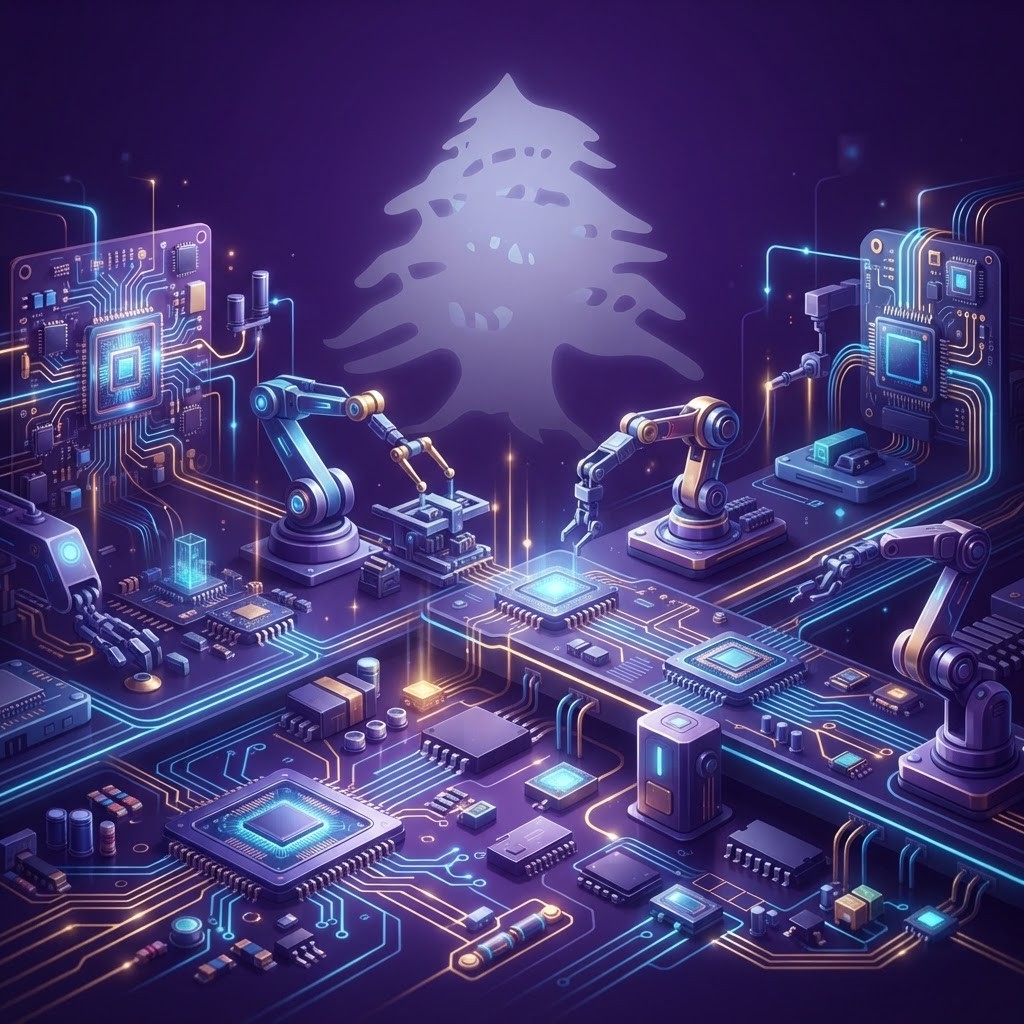
Lebanon's Resilient Hardware and Manufacturing Sector
While Lebanon is best known for its software talent and creative industries, the country also maintains a determined and resourceful hardware manufacturing community. From electronics and electrical equipment to industrial machinery and specialized components, Lebanese manufacturers produce a surprising range of physical products. Operating in a challenging environment marked by infrastructure constraints and economic pressure, these firms have demonstrated remarkable resilience and ingenuity, finding ways to design, assemble, and export quality goods.
The hardware sector reflects Lebanon's broader entrepreneurial character. Many manufacturers are family-owned businesses with decades of experience, while newer ventures bring fresh approaches to electronics and product design. Together, they sustain valuable manufacturing know-how and contribute to the country's economy through both domestic sales and exports to regional and international markets.
The Importance of Local Manufacturing
Local hardware manufacturing carries strategic importance for Lebanon. It reduces dependence on imports, preserves industrial skills, and creates jobs across the value chain. In a country where supply chains can be disrupted, the ability to produce essential equipment domestically provides a measure of security. Manufacturing also supports related sectors, from logistics to engineering services, and contributes to a more diversified and resilient economy.
The Leading Hardware Manufacturers
Matelec is one of Lebanon's most prominent industrial manufacturers, producing electrical equipment, transformers, and power solutions that serve clients across the Middle East and Africa. Their commitment to quality and export has made them a flagship of Lebanese industry.
Debbas Group has a long heritage in lighting and electrical systems, manufacturing and supplying products for major projects throughout the region.
Hardware and electronics assemblers such as those producing electrical panels, switchgear, and control systems serve the construction and infrastructure sectors with locally made equipment.
Liban Cables and similar industrial producers manufacture essential components like cables and wiring that underpin construction and energy projects.
Specialized electronics workshops design and assemble custom devices, control units, and embedded systems for industrial and commercial clients.
Emerging product startups are beginning to design consumer electronics and smart devices, blending hardware engineering with software to create connected products.
Together, these firms span heavy industrial equipment, electrical infrastructure, and emerging consumer technology, illustrating the breadth of Lebanon's manufacturing capabilities.
Engineering Talent and Craftsmanship
Lebanon's hardware sector benefits from strong engineering education and a tradition of craftsmanship. Universities produce capable electrical and mechanical engineers, while experienced technicians bring practical skills honed over years on the factory floor. This combination of theoretical knowledge and hands-on expertise enables Lebanese manufacturers to design and build products that meet international standards. Many firms invest in quality control and certification to compete in demanding export markets.
Overcoming Operational Challenges
Manufacturing in Lebanon requires navigating significant obstacles. Unreliable electricity supply forces many factories to rely on generators, raising costs. Currency instability complicates pricing and procurement of imported raw materials. Logistics can be difficult, and access to financing is limited. Yet Lebanese manufacturers have responded with creativity and discipline, optimizing operations, sourcing strategically, and focusing on higher-value products where their expertise commands a premium. This resilience is itself a competitive asset.
Export Orientation and Regional Reach
Many of Lebanon's leading hardware manufacturers are strongly export-oriented, selling to markets across the Middle East, Africa, and beyond. Exporting provides access to hard currency and larger markets, helping firms achieve economies of scale and weather domestic challenges. Lebanese products have earned a reputation for quality in several categories, particularly electrical equipment, allowing manufacturers to build lasting relationships with international clients. This regional reach is a vital lifeline and a source of growth.
The Future of Lebanese Manufacturing
Looking ahead, Lebanon's hardware sector has opportunities to evolve. The integration of smart technology and connectivity into traditional products opens new possibilities, as does the growing global interest in localized and resilient supply chains. By embracing automation, improving energy efficiency, and investing in design and innovation, Lebanese manufacturers can strengthen their competitiveness. Support for industry, including better infrastructure and access to finance, would amplify these efforts.
Conclusion
Lebanon's hardware manufacturers embody the country's industrial heritage and entrepreneurial resilience. Despite formidable challenges, they continue to design, build, and export quality products that serve markets at home and abroad. The companies highlighted here represent the strength and potential of a sector that remains a vital part of Lebanon's economy and a testament to the determination of its people.